


The Unraveling of Culinary Illusions: When Celebrity Recipes Meet Real-World Kitchens
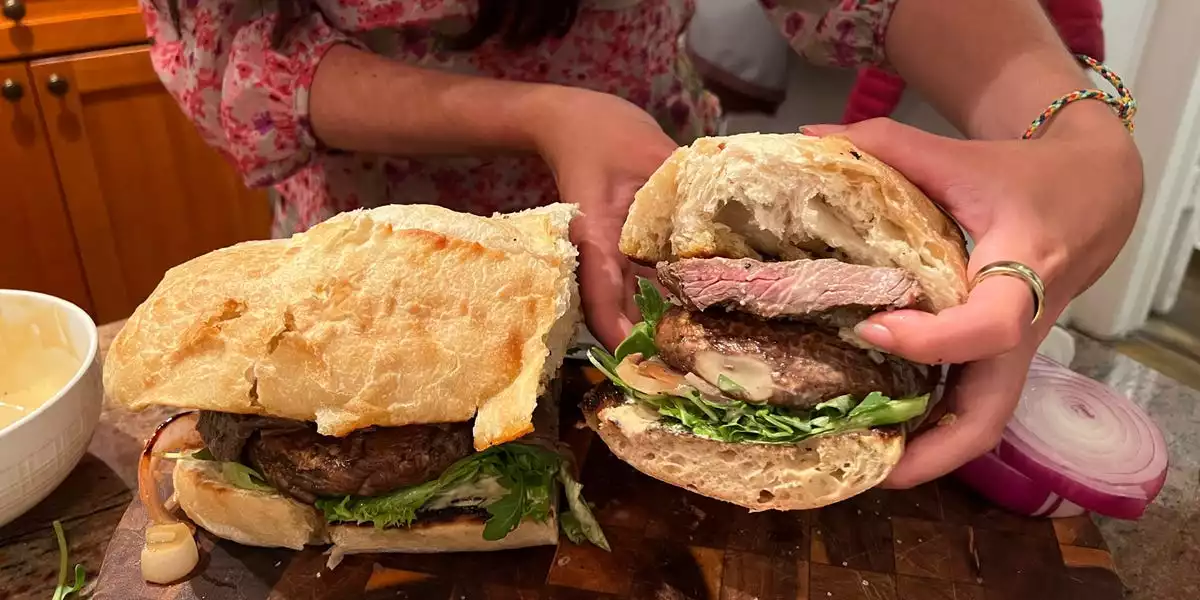
The spectacle of Gordon Ramsay’s “10-minute” steak sandwich—tested in a consumer kitchen and clocking in at nearly fifty minutes and fifty dollars—offers more than a cautionary tale for home cooks. It exposes a growing rift between the glossy promise of celebrity-driven food content and the gritty arithmetic of everyday cooking. As audiences grow savvier and economic pressures mount, the culinary media landscape finds itself at a crossroads, where trust, technology, and commerce are inextricably linked.
The Anatomy of the Execution Delta: Time, Cost, and Complexity
At the heart of this episode lies a phenomenon increasingly familiar to digital audiences: the “execution delta.” The gap between a recipe’s promised ease and the reality of its execution is no longer a trivial annoyance—it’s a credibility crisis unfolding across the broader how-to economy. Whether it’s a viral cooking video, a DIY home improvement tutorial, or a beginner’s coding guide, inflated claims are eroding the trust that once underpinned talent-led media franchises.
- Time Inflation: The leap from a ten-minute promise to a fifty-minute ordeal is not an isolated event. It’s symptomatic of a wider trend, as consumers recalibrate expectations and seek out evidence-backed, tech-assisted alternatives.
- Ingredient Friction: The $50 price tag for a single sandwich, driven by specialty condiments and protein choices, is a stark reminder of grocery price volatility. Regional supply chain fragmentation and the need for substitutions—flank for bavette, arugula for watercress—underscore the persistent disconnect between aspirational content and local reality.
- Operational Complexity: What appears “simple” on screen often morphs into a multi-pan juggling act behind closed kitchen doors. The lack of quantified measurements and granular instructions isn’t just a frustration for cooks; it’s a metadata vacuum that hinders algorithmic adaptation by emerging smart-kitchen devices.
Commerce, Technology, and the Quest for Culinary Credibility
The implications of these kitchen misadventures ripple far beyond the dinner table. As retail media networks and shoppable-video platforms race to monetize culinary inspiration, their business models hinge on delivering real, measurable value. Persistent execution deltas threaten to depress conversion rates at the very moment when platforms are rolling out one-click ingredient baskets and frictionless commerce integrations.
- Smart-Kitchen Opportunity: The narrative points to a white space for sensor-rich cookware—devices that autonomously regulate heat, monitor caramelization, and provide real-time prompts. These innovations promise to bridge the chasm between static content and dynamic execution, transforming the kitchen into a node of data-rich feedback.
- Inflation-Driven Shifts: As ingredient costs soar and recipe complexity mounts, the appeal of ready-to-eat meals and meal-kit subscriptions is renewed. Providers who can guarantee accurate prep times and transparent costs are poised to recapture consumers who dabbled in scratch cooking during pandemic lockdowns.
- Data Integrity as a Differentiator: Just as nutritional labeling became a hallmark of trust in the 1990s, precise, machine-readable recipe data is emerging as a new brand moat. Platforms that standardize timing algorithms, yield calculators, and substitution mapping will not only command premium ad dollars but also set the standard for culinary reliability.
Strategic Imperatives in the Age of Data-Driven Cooking
For decision-makers across food media, retail, and kitchen technology, the path forward is defined by authenticity, precision, and adaptability. The following strategic levers are emerging as critical to success:
- Verified Prep Time Metrics: Crowdsourced telemetry and IoT stovetop data can underpin “verified prep time” badges, restoring consumer trust and setting new industry standards.
- Dynamic Ingredient Bundling: Tying ingredient baskets to real-time regional inventories reduces substitution friction and cuts abandoned carts, reinforcing reliability in commerce experiences.
- Smart Appliance Integration: Partnerships between media companies and appliance manufacturers—where smart skillets and AI-driven cooktops serve as B2B APIs—close the feedback loop on recipe performance, turning the kitchen into a data node.
- Flexible Ingredient Pathways: Tiered ingredient options—premium, value, and flexitarian—mapped to a single recipe framework allow brands to serve diverse household budgets without sacrificing allure.
- Chef-as-a-Service Models: Licensing celebrity culinary IP into adaptive, voice-interactive cooking assistants transforms talent from one-off video views to recurring, SaaS-like revenue streams.
- Predictive Meal Planning: Leveraging shopper history and skill assessment to forecast real prep times personalizes the experience and deepens platform engagement.
The story of a steak sandwich that outpaces its billing is more than a kitchen anecdote; it’s a lens on the evolving interplay between trust, technology, and commerce in the modern food ecosystem. As inflation, attention scarcity, and skepticism reshape consumer expectations, those who can synchronize authentic content, granular data, and seamless commerce will not only capture the culinary imagination—they’ll define the next era of food media and retail.


 By
By

 By
By
 By
By

 By
By
 By
By







