


The Art of Illumination: Philips, Roku, and the New Value TV Experience
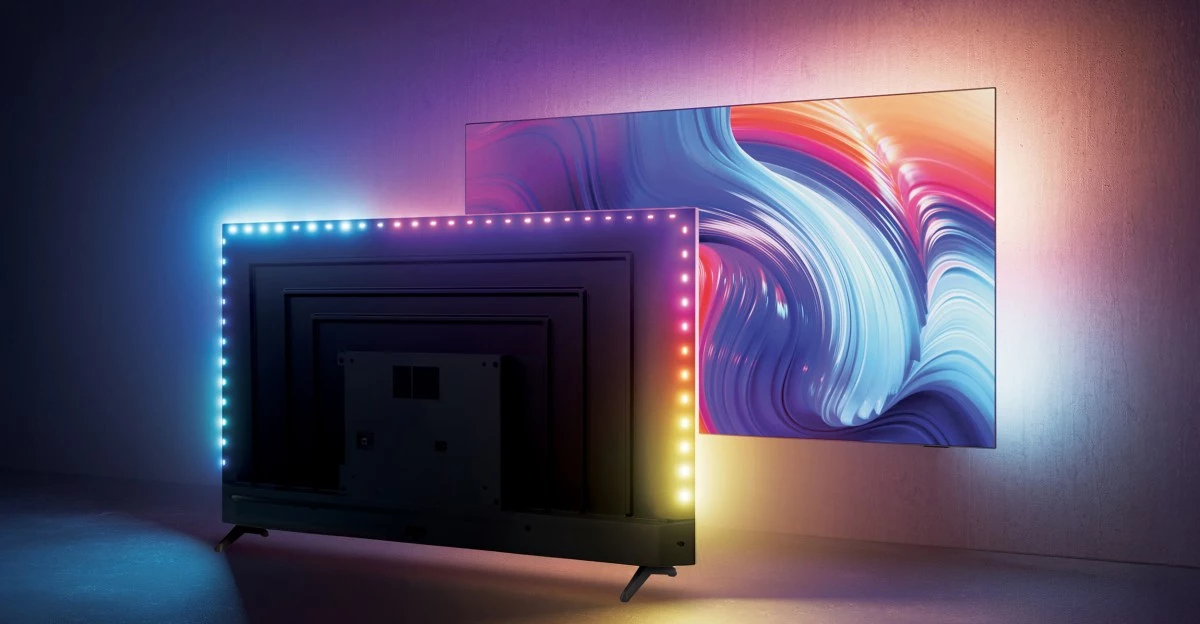
In a marketplace where the television has become both a window and a wall, the latest collaboration between Philips and Roku marks a nuanced shift in how consumers experience content—and how brands vie for attention in the living room. This new line of Philips LCD televisions, available exclusively at Sam’s Club, is more than a mere exercise in cost engineering. It’s a calculated orchestration of immersive lighting, streamlined smart TV functionality, and ecosystem strategy, all wrapped in a price tag that undercuts the aspirational glow of OLED by a wide margin.
Ambilight and Roku: Engineering Experience Over Spec Sheets
At the heart of this offering lies Ambilight, Philips’ signature rear-illumination technology. Unlike the aftermarket bias-lighting kits that have proliferated online, Ambilight is a native solution: addressable LEDs embedded in the TV’s chassis, perfectly synchronized with on-screen content. The result is a seamless halo effect that blurs the boundary between the screen and its surroundings, amplifying perceived contrast and drawing viewers deeper into the narrative. This is not just a gimmick for the gadget-obsessed; it’s a tangible enhancement to the act of watching, one that sidesteps the calibration headaches and cable clutter of third-party alternatives.
Roku’s OS, now in its twelfth iteration, brings a different kind of sophistication. Its app ecosystem is vast, its interface frictionless, and its embrace of emerging smart-home standards—Matter, Thread—positions the TV as a quasi-hub for the connected household. Voice control, security camera feeds, and IoT alerts are no longer the domain of high-end gear. With HDR10 support (rather than the pricier Dolby Vision or HDR10+), Philips is making a pragmatic bet: that algorithmic picture tuning and intelligent mode switching can mask the limitations of a 60 Hz LCD panel, at least for the value-conscious buyer.
The Economics of Differentiation: Value, Exclusivity, and Ecosystem Lock-In
The $400 ceiling for a 65-inch model is a statement in itself. In a world where OLEDs still command a premium, Philips is monetizing the “Ambilight effect” without incurring the costs of next-generation panels. This is a play for elasticity, not luxury—a product designed to tempt the warehouse club shopper, whose loyalty is as much to the thrill of discovery as to any particular brand.
- Sam’s Club exclusivity is more than a distribution quirk. It compresses the margin stack, allowing both Philips and Roku to avoid the promotional churn of broader retail channels. The “treasure-hunt” psychology of warehouse shopping drives volume, while the absence of competing SKUs on the same shelf amplifies the perceived uniqueness of the offering.
- Roku’s wireless audio protocol—enabling seamless pairing with branded soundbars and subwoofers—nudges consumers toward a more integrated ecosystem. This is not just about selling TVs, but about anchoring households in a web of devices, subscriptions, and data flows that persist long after the panel itself is obsolete.
For Philips, now a licensing brand in television, the model is asset-light: royalties flow in, but the capital intensity of running fabs is left to others. Roku, meanwhile, recaptures value downstream—through advertising, data licensing, and revenue sharing with streaming services—offsetting the razor-thin margins of commodity hardware.
Strategic Ripples: OS Wars, Ambient Computing, and the Supply Chain Chessboard
This launch is more than a product drop; it’s a move in the ongoing OS-level land grab that defines the modern TV landscape. Google TV, Amazon Fire OS, and LG’s webOS are all vying to be the lingua franca of the living room. By partnering with Philips and embedding Ambilight, Roku gains a rare hardware moat—one that pure software players cannot easily replicate.
The ambient backlighting narrative dovetails with the broader trend toward contextual computing. As TVs morph into wellness devices—offering circadian lighting, reduced eye strain, or even gamified fitness—the potential for SaaS-like upsell paths emerges. Here, the TV is not just a display, but a node in a larger, adaptive environment. For those invested in the broader lighting ecosystem, such as Signify’s Hue, the opportunity lies in treating the TV as a halo node, expanding the possibilities of room-scale ambiance without cannibalizing standalone SKUs.
On the supply chain front, the decision to stick with mature LCD fabrication is a hedge against geopolitical and yield risks that continue to haunt the high-end OLED and Mini-LED markets. It’s a reminder that innovation in consumer electronics is as much about risk management as it is about dazzling specs.
The Experience Economy Comes to the Living Room
For device makers, this launch is a case study in the power of experiential features—lighting, haptics, AI-driven modes—as substitutes for expensive hardware. For streaming platforms, the battleground is shifting toward sensor fusion, privacy, and the integration of smart-home capabilities. Retailers, especially those with membership models, may find in these exclusive, differentiated bundles a way to counter the relentless price transparency of e-commerce.
As the lines between hardware, software, and service continue to blur, the Philips-Roku partnership signals a broader industry pivot: from chasing ever-thinner bezels and brighter panels to crafting experiences that are immersive, sticky, and—above all—memorable. In the value segment, at least, the future belongs to those who can light up the room in more ways than one.

 By
By

 By
By
 By
By
 By
By


 By
By







