


Rethinking Executive Engagement: The CEO Call as Strategic Sensor
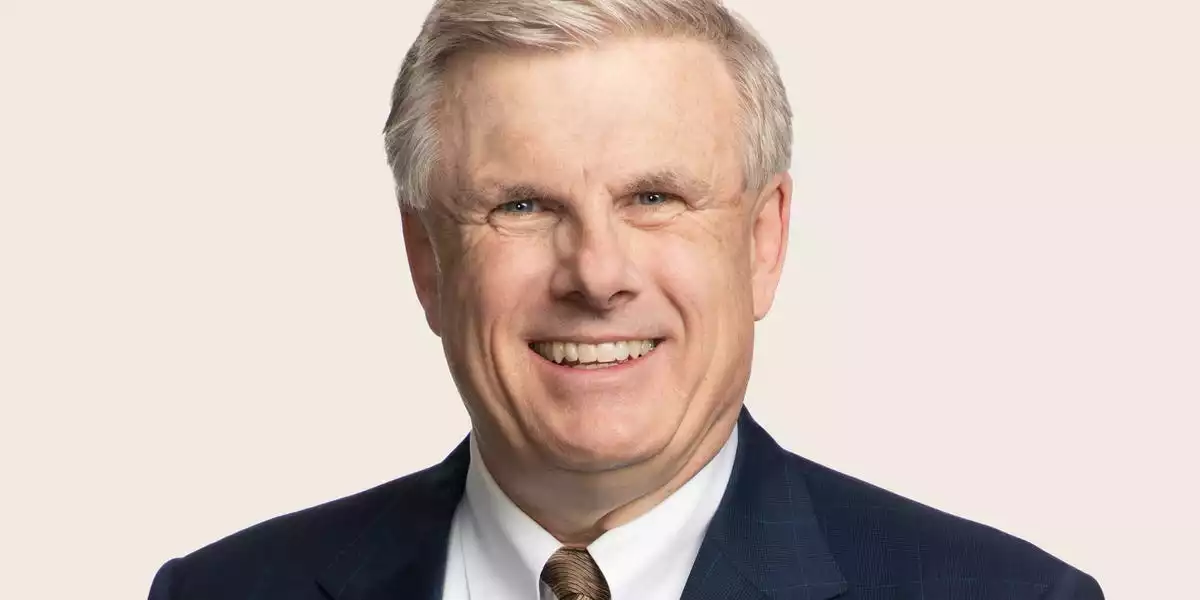
In an era where dashboards blink with metrics and HR analytics promise omniscience, Nicholas Svensson, CEO of Smart Technologies, has quietly reintroduced an ancient tool into the digital workplace: the direct conversation. By personally calling over 600 employees across 27 countries—a practice born in the isolation of early COVID-19 and now a standing operational discipline—Svensson has redefined what it means to “listen” at scale. These calls, which he describes as an “informal audit,” have not only altered the cadence of all-hands meetings and project-sequencing rules but have surfaced cultural equity issues invisible to even the most sophisticated engagement surveys.
This approach does not reject data-driven management; rather, it exposes its persistent “last-mile” problem. Quantitative dashboards and pulse surveys, while indispensable, often miss the nuance and context that drive true organizational health. Svensson’s calls operate as a kind of high-resolution sentiment analysis, capturing the undercurrents that broad surveys flatten into averages. The practice mirrors a rising trend in advanced analytics—augmenting machine-generated insights with “human-in-the-loop” validation to close accuracy and bias gaps. In one notable instance, product teams voiced frustration over shifting priorities, a classic Agile anti-pattern that erodes cumulative velocity. Svensson’s intervention reinstated a “definition of done,” echoing a broader industry return to disciplined governance in the wake of pandemic-era volatility.
The Economics of Listening: Culture as Capital
The financial calculus behind this executive outreach is compelling. Voluntary attrition—especially in skills-scarce fields like embedded systems and AI engineering—has become a major cost center for technology firms. Direct CEO engagement, as practiced at Smart Technologies, offers a remarkably low-cost hedge against churn. It also signals to investors that intangible assets such as culture are being actively managed. Ratings agencies and ESG indices increasingly reward companies for proactive employee-listening practices, and this approach could confer a modest but real cost-of-capital advantage.
The operational impact is equally significant. By prioritizing project completion before launching new initiatives, Smart Technologies addresses not only morale but also capital efficiency. Frequent resets, a byproduct of excessive pivoting, result in the write-off of partially capitalized R&D spend. A disciplined sequencing of projects improves R&D ROI and shortens the cash-to-return cycle—outcomes that resonate with both financial and human stakeholders.
Leadership in the Age of Hybrid Work: From Information Asymmetry to Trust Dividend
The implications for leadership teams extend well beyond the confines of Smart Technologies. As organizations settle into post-pandemic hybrid operating models, the traditional channels for cultural transmission—corridor conversations, chance encounters—have diminished. High-touch executive listening is emerging as a vital compensatory mechanism.
Key strategic considerations for leadership include:
- Information Asymmetry: Synthesized reports can obscure weak signals. Direct contact surfaces systemic risks earlier, whether related to security, ethics, or supply chain fragility.
- Trust Dividend: Unfiltered accessibility from the C-suite is interpreted as a marker of integrity, fostering higher discretionary effort and brand advocacy—critical in a tight talent market.
- Governance and Accountability: Regular CEO check-ins serve as an implicit control system, aligning middle management with strategic priorities and tightening the strategy-to-execution loop.
Moreover, as employee experience (EX) platforms from Microsoft, ServiceNow, and others embed sentiment analytics, firms that combine these tools with active senior-leader dialogues report higher predictive accuracy in attrition and engagement scoring. Regulatory and investor scrutiny is also intensifying; human-capital disclosures are increasingly material, and Svensson’s methodology could soon become a reportable KPI, positioning Smart Technologies—and those who follow suit—at the forefront of compliance and stakeholder trust.
Institutionalizing Human Telemetry: From Practice to Advantage
The future of executive listening lies in institutionalizing multi-modal approaches that blend qualitative outreach with AI-driven analytics. Strategic actions for forward-thinking organizations might include:
- Pairing CEO-level conversations with AI-powered sentiment analysis to quantify emergent themes and sentiment polarity at scale.
- Building closed-loop feedback systems, such as “You said, we did” dashboards, to reinforce credibility and transparency.
- Scaling intimacy through cohort-based small-group sessions and training senior managers in advanced coaching techniques.
- Embedding project sequencing discipline into portfolio management systems with explicit economic thresholds, ensuring sustainability beyond current leadership.
- Converting cultural improvements into quantifiable metrics for investor communications and ESG frameworks, monetizing culture as a balance-sheet asset.
- Preparing for regulatory shifts by piloting internal human-capital audits—an area where Svensson’s calls already serve as valuable diligence data.
What emerges is not merely a morale exercise but an emergent management technology: a system of “human telemetry” that fuses qualitative sensing with strategic decision-making. In a business climate where agility and resilience command a premium, those who operationalize such systems will find themselves better equipped to navigate the turbulence ahead—retaining talent, accelerating innovation, and earning the trust of stakeholders in ways that dashboards alone can never achieve.

 By
By
 By
By
 By
By
 By
By
 By
By


 By
By







