
Stratospheric Balloon Mishap: A Lens on the New Frontiers of Near-Space Science
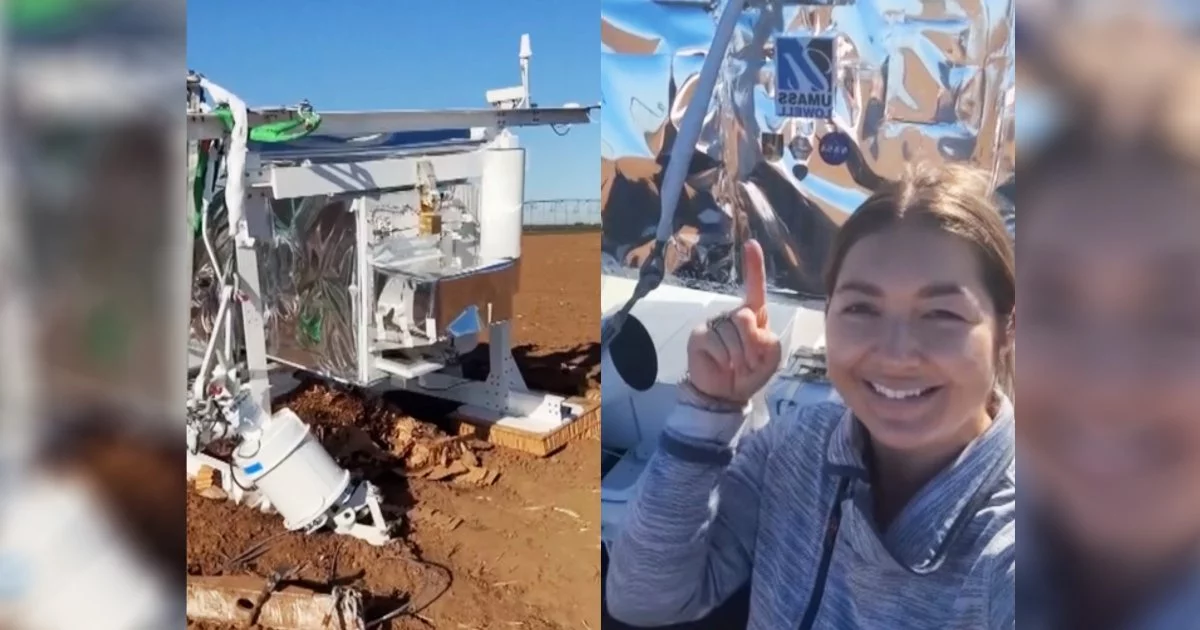
In the windswept expanse of West Texas, where wheat fields stretch toward a horizon punctuated by oil derricks and grain silos, an unlikely visitor recently descended from the edge of space. A NASA research payload—designed for the rarefied air of 100,000 feet—made an unplanned terrestrial debut, landing softly amid amber stalks. The episode, triggered during a partial government shutdown that idled key staff at the Columbia Scientific Balloon Facility, was free of injury or property damage. Yet, beneath its surface, the incident reveals a tapestry of operational, economic, and regulatory vulnerabilities now woven into the fabric of near-space exploration.
The New Altitude: Stratospheric Balloons and the Democratization of Space
Stratospheric balloons, once the province of Cold War reconnaissance and esoteric meteorology, are enjoying a renaissance. Their appeal is rooted in a blend of cost-effectiveness and scientific ambition:
- Budget Efficiency: Missions typically cost a fraction of even the smallest satellite launches, enabling rapid iteration and recoverability of expensive instrumentation.
- Technical Sophistication: Modern balloons rely on real-time wind modeling, satellite telemetry, and automated venting—systems that demand uninterrupted oversight.
- Scientific Reach: The Texas-bound payload was equipped for deep-space spectroscopy, a reminder that today’s frontier science floats not just above deserts or oceans, but over the rural heartland.
This shift is emblematic of a broader trend: the boundaries between public-sector science and private landownership are blurring, as the sky above becomes a shared laboratory.
Operational Risks and the Cascading Effects of Policy Disruption
The incident in Texas underscores how even the most advanced platforms remain tethered to the realities of terrestrial governance. When federal funding falters, as it did during the recent shutdown, the consequences ripple far beyond the launch pad:
- Decentralized Recovery: Balloons can drift hundreds of miles, compelling NASA and its contractors to maintain nimble recovery teams and robust land-use agreements. With commercial operators entering the field, legal scrutiny and reputational risk are intensifying.
- Supply Chain Vulnerability: Delays in data retrieval or sensor calibration can cascade through vendor milestones, jeopardizing downstream contracts and eroding trust in public-private partnerships.
- Community Relations: Unplanned landings on private property expose agencies and firms to reputational and legal challenges, demanding transparent communication and preemptive engagement with local stakeholders.
The operational calculus is further complicated by the fact that seasonality matters. Missing a launch window can postpone critical data collection by a year, stalling both academic research and commercial analytics—an acute pain point for sectors like agriculture and insurance that depend on timely atmospheric intelligence.
Economic, Regulatory, and Strategic Shifts in the Near-Space Ecosystem
The West Texas landing is not merely a logistical hiccup; it is a signal event in the evolving economics and governance of near-space:
- Budget Instability as Strategic Risk: Government shutdowns, episodic though they may be, confer a structural advantage on privately financed “NewSpace” ventures, which can self-fund through turbulence. Investors are now weighing resilience to political cycles as a key differentiator.
- Talent Migration: Repeated furloughs undermine morale and accelerate the exodus of expertise to commercial space companies, where project continuity is less vulnerable to political whim.
- Regulatory Lag: The FAA’s current rules were crafted for an earlier era, ill-suited to today’s heavy payloads and commercial experimentation. A regulatory refresh is inevitable, with new scrutiny on overflight of populated areas and insurance markets recalibrating premiums to account for government continuity risk.
- Dual-Use Complexity: Stratospheric platforms are increasingly capable of hosting intelligence and surveillance payloads, inviting national-security oversight and raising the stakes for operational precision.
Strategic Imperatives for the Next Era of Stratospheric Operations
As the boundaries of near-space research expand, so too must the strategies for managing its risks and rewards. Forward-looking organizations—public and private—are already adapting:
- Continuity Planning: Designating “excepted” balloon operations teams during shutdowns, mirroring air-traffic control protocols, can safeguard mission-critical activities.
- Autonomous Recovery: Investments in edge-AI navigation and steerable parachutes promise to shrink landing zones, reducing both risk and recovery costs.
- Collaborative Data Sharing: Public-private consortia that pool meteorological and trajectory data can enhance predictability and lower collective insurance and regulatory burdens.
- Proactive Community Engagement: Pre-launch briefings and scenario planning with local stakeholders can accelerate incident response and build the social license essential for scaling near-space activity.
As the skies above rural America become a new theater for scientific discovery and commercial innovation, the lessons of the West Texas incident resonate far beyond a single wheat field. The future belongs to those who treat stratospheric operations as an integrated element of risk, talent, and capital strategy—capturing not only the scientific promise but the reputational and economic high ground in a rapidly maturing space economy.

 By
By
 By
By

 By
By
 By
By

 By
By
 By
By