


Barcelona’s MWC 2026 becomes a live-fire test for device ecosystems
Mobile World Congress (MWC) 2026 in Barcelona is arriving as more than a trade show; it is effectively a synchronized proving ground for the world’s most influential consumer technology platforms. With Apple, Samsung, and Google clustering major launches around March 11, 2026, the industry is compressing what used to be a staggered product calendar into a single, highly comparable moment—one that invites consumers, carriers, retailers, and developers to judge not just devices, but ecosystems.
This timing matters because the competitive frontier has shifted. Hardware specifications still sell, but the durable advantage increasingly comes from:
- Cross-device continuity (handoff, shared identity, shared data)
- On-device AI acceleration (latency, privacy, battery efficiency)
- Service attachment (cloud storage, subscriptions, content, gaming)
- Retail and carrier leverage (trade-ins, gift cards, bundles, financing)
In that context, the week’s headline releases—Apple’s new Mac lineup, Samsung’s Galaxy S26 family, and Google’s Pixel 10A—read like coordinated moves in a broader contest for lifetime customer value, not just quarterly unit sales.
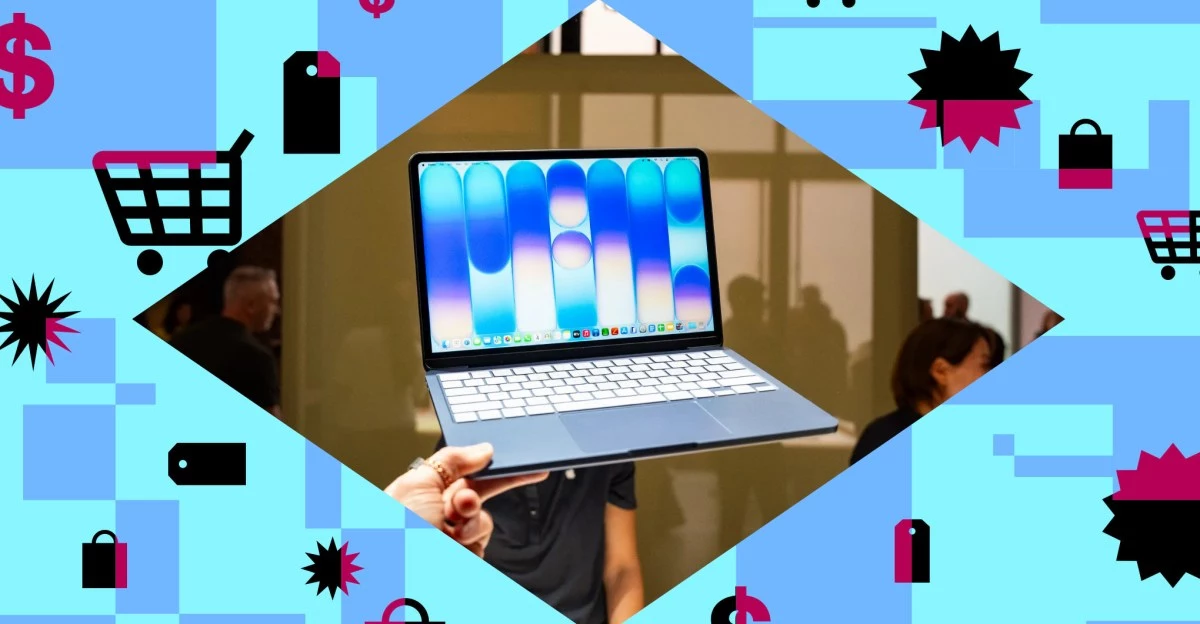
Apple’s MacBook Neo and M5 Macs signal a new era of “tiered silicon”
Apple’s introduction of the MacBook Neo at $599.99, alongside refreshed MacBook Air and MacBook Pro models powered by M5, is notable less for the headline price than for what it implies: Apple is pushing its custom silicon strategy into a more explicitly segmented, price-tiered portfolio.
Historically, Apple’s M-series narrative has been about performance-per-watt leadership and vertical integration. The Neo reframes that narrative into something more aggressive: democratizing Apple silicon while preserving a premium ladder above it. If executed well, this approach can blur the line between entry-level and prosumer computing—especially as everyday workflows become more AI-assisted and less dependent on raw CPU/GPU bragging rights.
Key strategic implications of Apple’s move include:
- Pressure on Windows OEM differentiation: If Apple can deliver “good enough” performance and battery life at a sub-$600 entry point, Windows vendors may need sharper segmentation—either through gaming, enterprise manageability, or specialized AI features.
- Acceleration of on-device AI expectations: As consumers normalize AI-enhanced tasks (summaries, image generation, voice workflows), the baseline requirement becomes efficient neural compute, not just traditional benchmarks.
- Ecosystem reinforcement through affordability: A lower-cost Mac can function as an on-ramp to Apple’s broader continuity story—Mac-to-iPhone-to-iPad workflows, shared services, and accessory upsell.
The broader message: silicon parity is narrowing, and Apple is using pricing architecture—alongside M5 performance—to widen the moat where it still can: integration, software, and services.
Samsung Galaxy S26 vs Google Pixel 10A: the Android playbook splits into premium spectacle and midrange value
Samsung’s Galaxy S26 series (S26, S26+, S26 Ultra) landing the same day as Apple’s Mac releases creates a rare, direct comparison window—one that will be shaped as much by retail execution and preorder incentives as by camera modules or display specs. Samsung’s flagship strategy typically pairs premium hardware with ecosystem gravity: wearables, health features, and SmartThings-connected experiences that encourage users to stay within the Galaxy orbit.
Google’s Pixel 10A, meanwhile, continues a different Android thesis: push flagship-grade software experiences—especially AI-driven features—down into the midrange. That approach can be particularly potent in a market where consumers are increasingly price-sensitive but still want the “newest” capabilities in photography, voice, and assistant-like workflows.
What emerges is a two-track Android dynamic:
- Samsung: premium halo devices designed to anchor an ecosystem and defend average selling prices (ASPs)
- Google: midrange disruption designed to expand Android’s value narrative and keep software leadership visible
Both strategies are compatible, but they compete for attention, shelf space, and mindshare—especially when preorder promotions and carrier bundles compress perceived price differences.
Promotions, early access gaming, and niche IoT reveal a consumer market optimizing for value
The surrounding deal environment—spanning an M4-equipped iPad Air, Bose Ultra Open earbuds, and preorder incentives from major retailers—signals a market where promotional mechanics are becoming part of the product. Gift cards and front-loaded discounts are not merely sweeteners; they are tools to:
- reduce purchase friction in a cautious discretionary spending climate
- pull demand forward to manage inventory turnover
- lock in future spend via store credit and ecosystem accessories
This value-optimization behavior is not limited to phones and laptops. The gaming sector is leaning into a bifurcated model that mirrors hardware pricing tiers:
- Early access and iterative monetization (e.g., *Slay the Spire 2*)
- Nostalgia and IP leverage (e.g., Bungie’s *Marathon* remake)
- Platform-driven exclusivity (e.g., *Pokémon Pokopia* on Switch 2)
Even niche products—like Birdbuddy’s Solar Hummingbird Feeder Pro or a collector-friendly release like Over the Garden Wall on Blu-ray—underscore a broader truth about 2026 consumer tech: growth is increasingly found in specialized, passion-driven categories where hardware is paired with software, community, and potential subscription layers.
Across all of these segments, the strategic throughline is clear: the next phase of competition will be defined by ecosystem stickiness, AI-native experiences, and subscription-first economics, with hardware pricing and promotions serving as the entry ticket to longer-term recurring revenue.

 By
By

 By
By
 By
By
 By
By

 By
By







