
The Subtle Revolution: Microsoft’s Cross-Device Play History and the Future of Cloud Gaming
Microsoft’s latest gambit in the gaming landscape—a cross-device “play history” feature—may, at first glance, seem like a minor quality-of-life improvement for Xbox users. Yet beneath this surface lies a meticulously engineered shift, one that signals the company’s intent to dissolve the boundaries between console, PC, and cloud, and to reimagine the very economics and infrastructure of interactive entertainment.
From Console Silos to Seamless Continuity
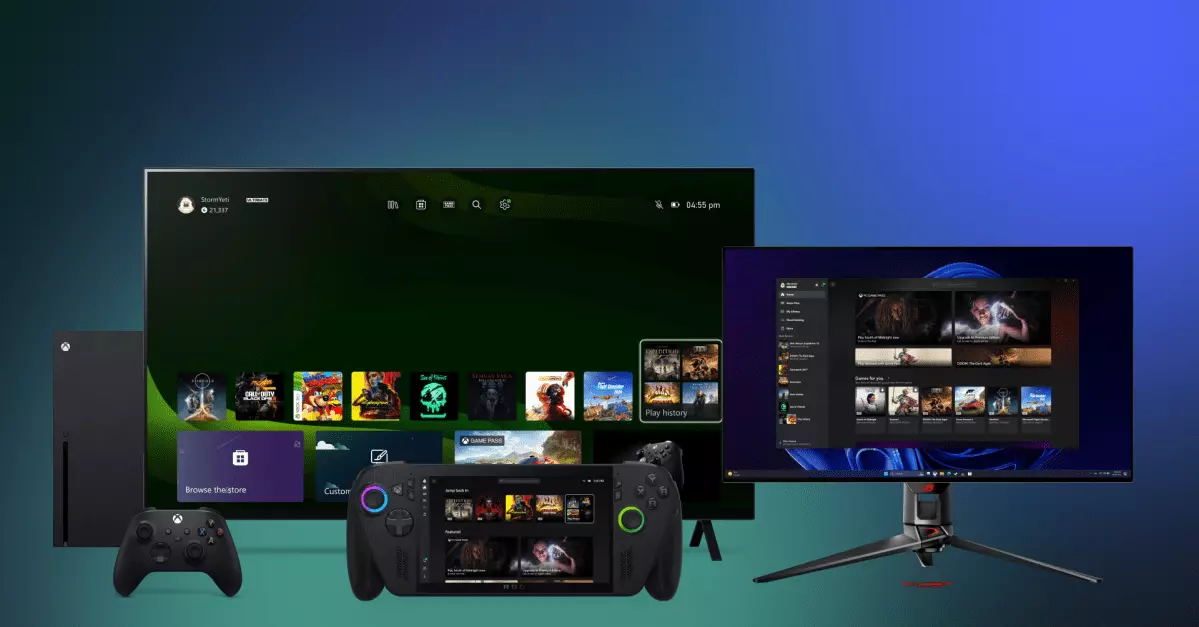
The new play history layer, now piloting across Xbox consoles and the Xbox PC app, is more than a simple convenience. By surfacing the last 30 cloud-compatible titles played—regardless of ownership or exclusivity—Microsoft is weaving together disparate gaming experiences into a persistent, device-agnostic thread. This unified activity tile, synchronized across Windows PCs, consoles, and handhelds, quietly repositions the cloud not as a backup plan, but as the default launchpad.
Key features include:
- Unified Play History: Aggregates recent cloud-playable titles, tightening the feedback loop for Game Pass discovery and engagement.
- Cloud Library Filtering: Instantly flags which catalog entries can be launched via the cloud, reducing friction for users.
- Legacy Title Integration: Surfaces exclusives from the original Xbox through Series X|S—even if the player doesn’t own them locally—reviving dormant IP and expanding the playable universe.
This approach is underpinned by Xbox Series X silicon virtualized within bespoke Azure server blades, offering console-class performance for remote sessions. The architecture preserves the deterministic development environment beloved by studios, while scaling elastically to meet fluctuating demand—a technical balancing act that only a handful of global players can credibly execute.
The Telemetry Flywheel and the Cloud-First Economic Model
At the heart of this initiative is a data-driven feedback loop of unprecedented granularity. Every cross-device session, every launch from the play history tile, feeds a high-resolution stream of telemetry: latency tolerances, device preferences, title-specific engagement patterns. This data not only informs dynamic content curation for Game Pass, but also optimizes infrastructure provisioning across Azure’s sprawling edge.
The economic implications are profound:
- Subscription LTV Supersedes Hardware Margins: By lowering friction and increasing cross-device continuity, Microsoft shifts value capture from razor-thin hardware profits to the recurring revenue of Game Pass Ultimate. This model is projected to yield $120–$180 per user annually, far outstripping the margins of console sales.
- PC Market Adjacency: The prospect of streaming PC games through Xbox Cloud Gaming unlocks a vast, under-served audience—over 150 million PCs with sub-optimal or integrated GPUs. By bundling a “PC Cloud” tier, Microsoft can convert dormant Windows users into active subscribers, even at the risk of cannibalizing certain traditional sales.
- Azure Synergy: Every cloud gaming session translates into an Azure GPU hour, defraying capital expenditures across both consumer and enterprise workloads. This virtuous cycle accelerates Azure’s competitive edge against AWS and Google Cloud, while also benefiting enterprise clients through denser, more distributed edge nodes.
Industry Disruption: Licensing, Sustainability, and Competitive Dynamics
The move toward a cloud-first, device-agnostic ecosystem is poised to reshape industry relationships and regulatory scrutiny:
- Licensing and Revenue Share: If PC titles become cloud-launchable on Xbox, publishers will demand new models—potentially shifting from unit sales to engagement-based royalties, echoing the economics of music streaming.
- Hardware Lifecycles and ESG: As cloud-native play becomes the norm, physical console refresh cycles may shorten, with positive implications for sustainability and carbon reduction. Investors are likely to demand greater transparency from all platform holders on hybrid hardware/cloud portfolios.
- Regulatory Optics: Cross-platform play history bolsters Microsoft’s interoperability narrative, a strategic asset amid intensifying EU Digital Markets Act scrutiny. Yet, deeper vertical integration could reignite antitrust debates, especially if PC game streaming becomes a Windows-exclusive proposition.
Strategic Imperatives for the Gaming Ecosystem
For studios, publishers, and infrastructure partners, Microsoft’s play history initiative is both a warning shot and an invitation. The emerging landscape will reward those who:
- Optimize Content Portfolios: Revitalize back-catalog IP for cloud visibility, ensuring compatibility across diverse devices and screen sizes.
- Negotiate Adaptive Cloud SKUs: Engage early with Microsoft’s PC-streaming SDKs and seek revenue models that reflect engagement hours, not just sales.
- Invest in Edge Infrastructure: Telcos and ISPs should treat Xbox Cloud Gaming’s traffic as a leading indicator, co-investing in edge nodes to boost quality of experience and mutual ARPU.
- Reimagine Hardware Design: OEMs must weigh the shift from local compute to cloud endpoints, prioritizing display latency, battery life, and connectivity over raw GPU power.
What appears as a modest UX update is, in truth, a harbinger of a new era—where identity, entitlement, and compute traverse devices as fluidly as the games themselves. The next competitive front in gaming may not be fought in living rooms, but across cloud APIs, edge topologies, and the ever-evolving economics of subscription. For those watching closely, Microsoft’s play history feature is less a footnote than the opening line of the next chapter.

 By
By
 By
By


 By
By
 By
By

 By
By