
A Cape Cod mortgage becomes a stress test for climate-era real estate finance
John Bonomi Jr.’s $5.5 million Cape Cod Bay purchase—5,817 square feet of coastal prestige—now reads less like a lifestyle story and more like a case study in climate-driven asset fragility. At the time of acquisition, the home’s foundation reportedly sat 12–14 feet from a retreating escarpment, with erosion advancing at roughly six feet per year. Five years later, the margin for error has narrowed to the point where structural failure is no longer theoretical.
For business and technology leaders, the significance is not the spectacle of a mansion at the edge, but the way this scenario exposes a persistent mismatch between:
- How coastal property is valued and financed, often using backward-looking comparables and static hazard designations
- How coastal risk actually behaves, increasingly dynamic under sea-level rise, storm intensification, and shoreline geomorphology
- How quickly “prime collateral” can become a stranded asset, impairing both household balance sheets and lender risk models
This is the uncomfortable reality of climate risk: it is not only about catastrophic events. It is also about slow-moving, compounding physical processes—like erosion—that can reprice an asset faster than traditional underwriting and appraisal cycles can respond.
The underwriting gap: static maps versus real-time geospatial intelligence
The Bonomi dispute spotlights a central tension in modern mortgage markets: the tools exist to measure coastal change with precision, yet many lending workflows still lean on static flood-zone maps and conventional property reports that may not capture near-term shoreline retreat.
Today’s climate-tech and geospatial ecosystem can provide:
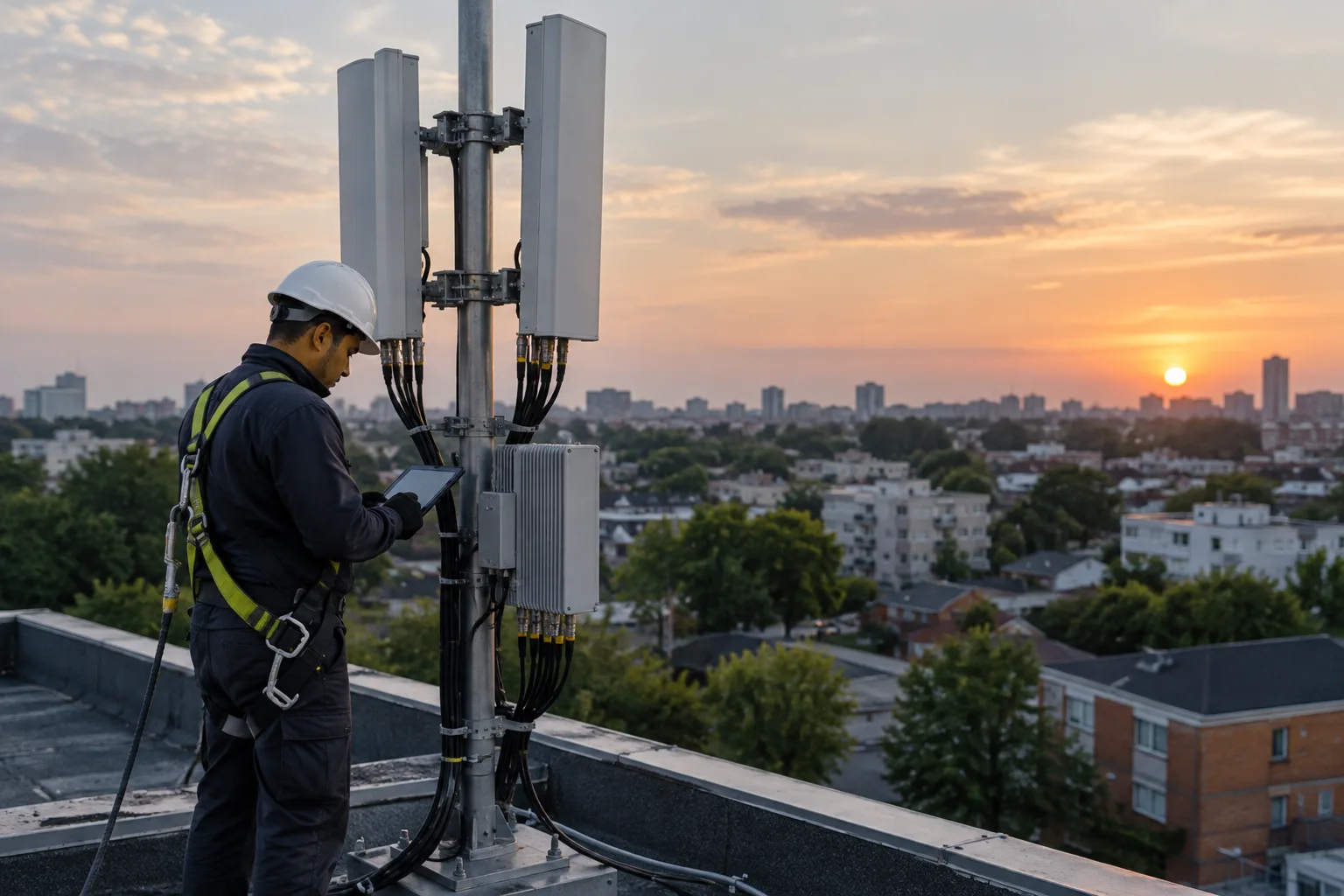
- Satellite-derived shoreline change detection and bluff retreat monitoring
- High-resolution elevation and wave-energy modeling
- Predictive erosion forecasts that incorporate storm frequency and sea-level trends
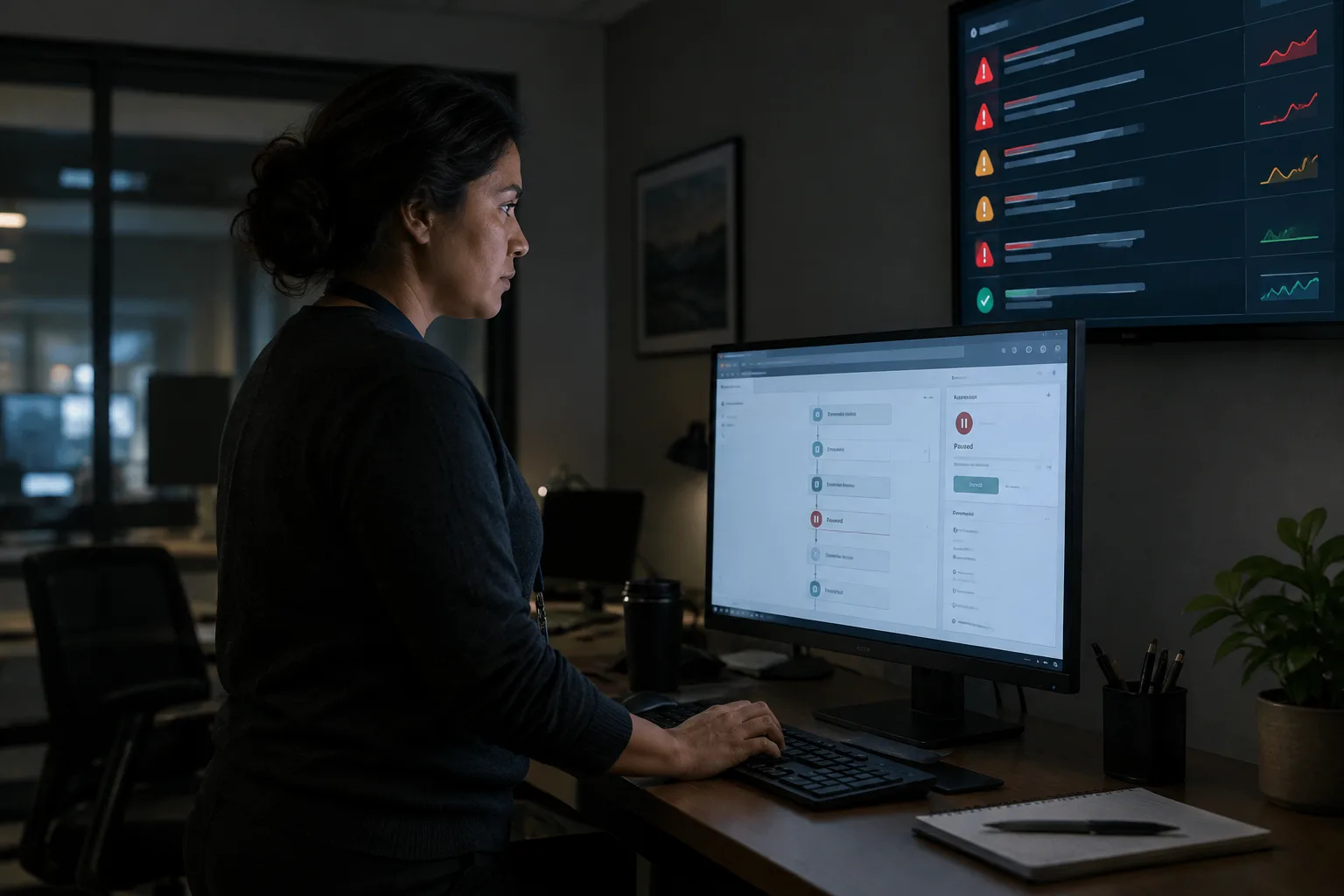
- Machine-learning risk scoring that updates as new imagery and sensor data arrive
The business implication is straightforward: when lenders finance high-value coastal properties without integrating these capabilities, they may be underwriting collateral with hidden duration risk—the risk that the asset’s usable life is shorter than the loan term. That mismatch can cascade into:
- Collateral impairment and higher loss severity in default scenarios
- Insurance instability, as carriers reprice, restrict coverage, or exit markets
- Liquidity and resale constraints, as buyers demand discounts or avoid exposure entirely
- Reputational and litigation exposure, if borrowers argue risks were foreseeable and insufficiently disclosed
This is not merely a technology adoption story; it is a governance story. If climate analytics are readily available, a court—or a regulator—may eventually ask whether failing to use them constitutes inadequate due diligence for certain categories of loans.
Mental health, contractual capacity, and the boundaries of lender responsibility
Bonomi’s lawsuit adds a second, highly consequential dimension: he seeks to rescind the mortgage with JP Morgan Chase by arguing he was “acting under an uncontrollable manic psychosis” when he entered the agreement, citing bipolar disorder. The bank denies liability and disputes the claims.
This legal strategy forces an unusually direct confrontation between two principles that rarely collide so publicly in mortgage finance:
- Contractual reliability: markets depend on the presumption that signed agreements are enforceable.
- Equitable relief for incapacity: courts can void or unwind contracts if a party lacked capacity at signing, depending on jurisdictional standards and evidentiary thresholds.
If courts entertain broader capacity-based challenges in high-value lending, the implications could be far-reaching—not because lenders will start “screening” for diagnoses, but because the case raises questions about what constitutes reasonable safeguards when a transaction appears unusually risky.
At the same time, any drift toward mental-health-based underwriting triggers immediate ethical and regulatory hazards:
- Privacy and medical confidentiality constraints
- Anti-discrimination compliance and fair lending scrutiny
- The risk of creating a de facto system of mental-health profiling, even unintentionally
- Ambiguity around what a bank can or should infer from behavior, documentation, or third-party signals
The most likely industry response is not clinical evaluation, but process hardening: clearer attestations, more robust disclosures, and better documentation that the borrower understood material risks—especially when the collateral itself is demonstrably unstable.
What this case signals for banks, insurers, regulators, and climate-tech builders
Regardless of the outcome, the Bonomi v. JP Morgan Chase dispute is poised to influence how institutions think about environmental disclosure, underwriting standards, and borrower protections in an era where physical risk is increasingly measurable—and increasingly litigable.
Key forward-looking takeaways by stakeholder group include:
- Financial institutions and mortgage underwriters
– Integrate dynamic climate-risk analytics into underwriting, not as a post-close portfolio overlay
– Treat coastal erosion as a time-to-failure variable, not a generic “water risk” label
– Strengthen documentation around material risk disclosure, including the provenance and date of hazard data used
- Insurers and reinsurers
– Push beyond flood-centric models toward erosion-triggered loss pathways
– Explore parametric products tied to objective shoreline retreat thresholds to reduce disputes and speed payouts
- Real estate investors and developers
– Reassess coastal allocations using scenario-based valuation and exit-liquidity assumptions
– Consider engineered stabilization only as a bridge strategy, not a guarantee of asset permanence
- Policymakers and regulators
– Clarify expectations for updated hazard disclosures on financed coastal properties
– Define guardrails for capacity-related disputes without incentivizing predatory practices or discriminatory screening
- Technology leaders in climate risk and fintech
– Build interoperable platforms and APIs that fuse remote sensing, climate models, and loan data into auditable risk dashboards
– Apply AI governance to ensure underwriting tools remain fair, explainable, and privacy-preserving
What makes this story enduring is its convergence: a fast-eroding coastline, a high-value mortgage, and a capacity-based legal challenge. Together, they illustrate how climate volatility and human factors can collide inside the most traditional of financial products—and how, in the climate era, the distance between a foundation and a bluff can become a distance between legacy underwriting and the next standard of care.

 By
By

 By
By
 By
By

 By
By