


The Mate 80 Series: A New Standard in Display Brilliance and Industrial Design
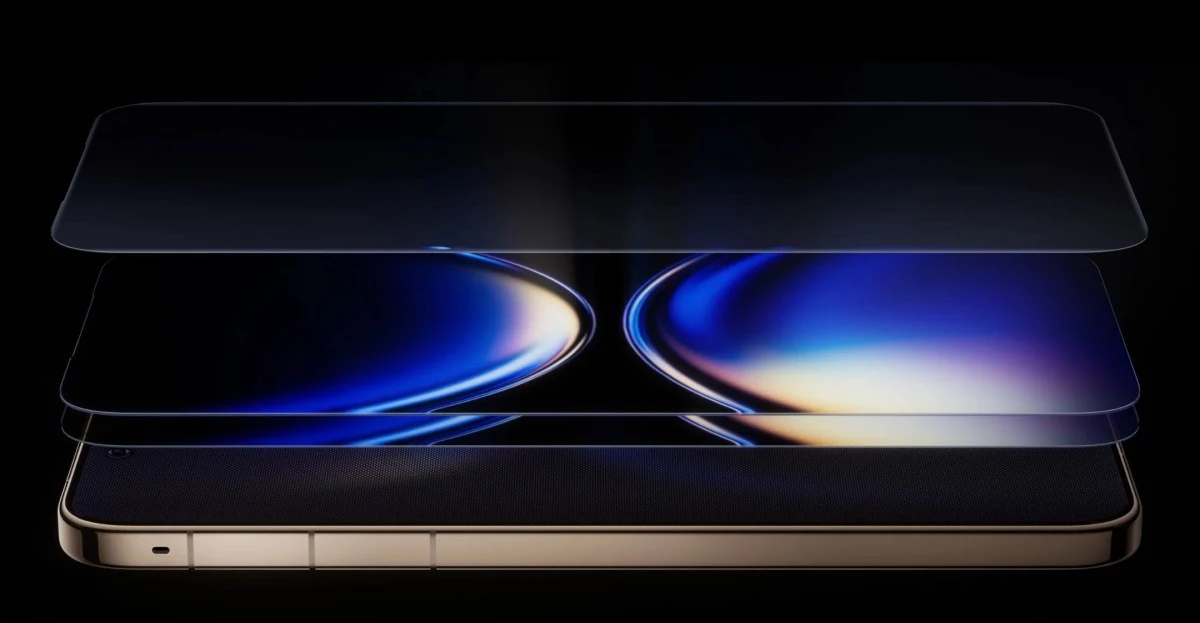
Huawei’s latest unveiling—the Mate 80 series—ushers in a moment of both technical bravado and strategic subtlety. Five distinct variants, crowned by the Mate 80 Pro Max, and the foldable Mate X7, signal a company not merely surviving sanctions but actively redrawing the boundaries of mobile innovation. The star of the show: a dual-layer OLED panel capable of peaking at a staggering 8,000 nits. This is not just a spec-sheet flourish; it’s a recalibration of what’s possible in consumer display technology.
The engineering behind this feat is as bold as it is pragmatic. By stacking two OLED emission layers, Huawei achieves local luminance peaks that would have previously risked thermal runaway. The implications ripple far beyond the phone: think XR passthrough, automotive heads-up displays, and HDR streaming—use cases where brightness, clarity, and contrast are not mere luxuries but functional necessities. Notably, the likely sourcing from BOE or CSOT marks a maturation of China’s indigenous display supply chain, signaling a quiet but profound shift in global component dependencies.
Design-wise, the Mate 80 series pivots away from the curvaceous “waterfall” displays of yesteryear. Flat panels and squared edges now dominate, a choice that is as much about radio performance and manufacturing efficiency as it is about aesthetics. This move simplifies antenna routing for multi-band 5G, reduces edge fragility, and streamlines the bill of materials for both Huawei and its ecosystem of case and accessory makers. The rear camera module, with its exposed wireless-charging coils, is a statement of intent: function and form, unapologetically intertwined.
Silicon Sovereignty and Imaging Ambitions
The Mate 80’s in-house Kirin SoCs are more than just a technical detail—they are a geopolitical flex. In the wake of U.S. export controls, Huawei’s ability to produce commercial volumes of 7nm-class silicon with SMIC is a testament to the company’s—and by extension, China’s—growing self-reliance. For procurement officers and policy analysts, the message is clear: “Made-in-China” semiconductors are no longer an aspiration; they are an emerging reality.
Photography remains Huawei’s most potent differentiator. The dual periscope lens system, augmented by an optional tele-extender kit, positions the Mate 80 as a computational imaging powerhouse. This modular approach echoes the DSLR lens aftermarket, opening new revenue streams and inviting third-party software innovation. It’s a shrewd maneuver, especially as computational photography remains less encumbered by Western export restrictions.
The foldable Mate X7, meanwhile, stakes its claim with IP58/IP59 water and dust resistance—a first in the category. This leap in durability not only narrows the reliability gap with Samsung but also unlocks enterprise and field-use cases previously dominated by ruggedized slabs. For sectors like logistics or oil and gas, the Mate X7 could become a compelling alternative to legacy devices.
Strategic Ripples Across Ecosystems and Supply Chains
Huawei’s simultaneous launch of watches, tablets, laptops, TVs, and routers alongside the Mate 80 is more than a marketing spectacle. It’s an ecosystem play designed to pull users deeper into the HarmonyOS and AppGallery orbit, reducing dependence on Google Mobile Services and raising the cost of exit for consumers and enterprises alike. Each Kirin-powered device sold is a data point for SMIC, accelerating yield improvements and closing the gap with TSMC faster than many Western observers anticipate.
The timing is equally astute. With Chinese government stimulus targeting digital infrastructure, Huawei’s push aligns seamlessly with national priorities. Expect to see Mate 80 and Mate X7 devices bundled into provincial procurement cycles—serving as edge-compute nodes or private 5G demo units in education and enterprise deployments.
Yet, this momentum is not without risk. The 8,000-nit brightness race may draw regulatory scrutiny, especially as the EU considers energy efficiency ceilings for consumer electronics. For rivals, the choice is stark: engage in the luminance arms race or pivot to alternative value propositions such as battery longevity and sustainability.
Navigating the Bifurcating Tech Landscape
The Mate 80 cycle is a bellwether for the future of global technology competition. Component vendors must now scenario-plan dual-track supply chains—one compliant with U.S. controls, another localized for China. Mobile operators should brace for grey-market imports and the potential for high-end customer churn, even in regions where official launches are absent. For enterprise and government buyers, the ruggedized foldables present new pilot opportunities, albeit with the need for heightened scrutiny of software stack security.
Competitors, meanwhile, face a strategic fork. Apple’s Vision Pro ecosystem could absorb lessons from Huawei’s dual-layer OLED, but its rumored micro-LED pivot may leapfrog the brightness contest altogether. For investors and policy analysts, tracking Mate 80 sell-through volumes and teardown reports will provide early signals of China’s semiconductor learning curve and the pace of domestic substitution.
In this moment, Huawei’s Mate 80 and Mate X7 are more than devices—they are harbingers of a rapidly bifurcating global tech order. Stakeholders who read between the lines, who see beyond the raw specifications, will be best positioned to navigate—and perhaps shape—the next era of technological competition.

 By
By
 By
By

 By
By

 By
By

 By
By







