

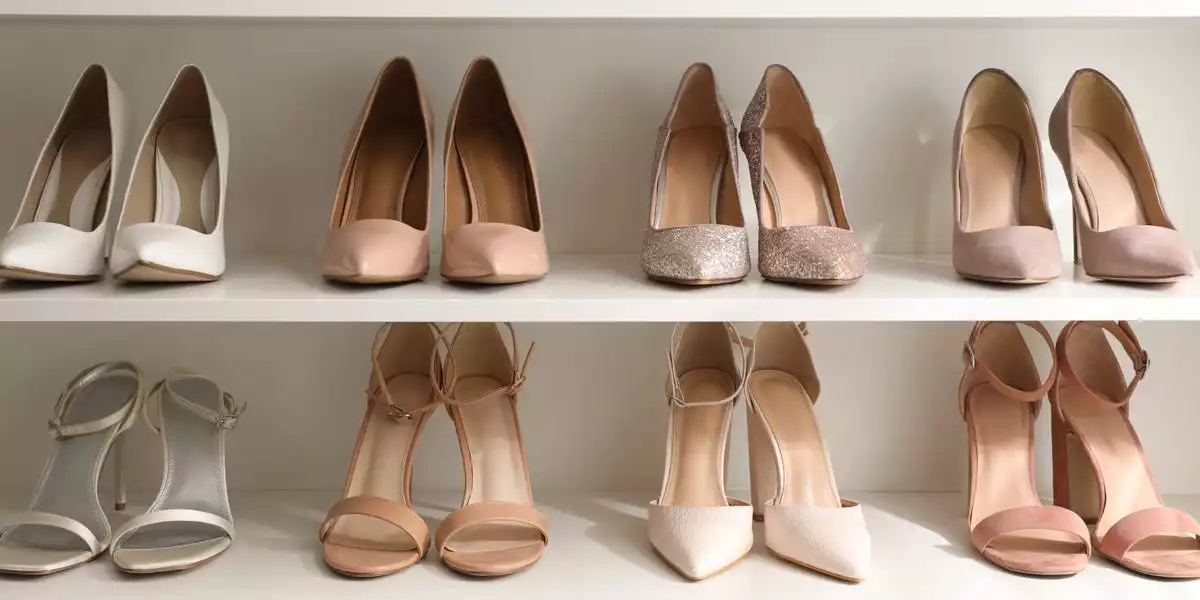

The Rise of Intentional Luxury: Redefining Affluence in the Age of Longevity
A quiet but profound transformation is underway among affluent consumers—a migration from the maximalist, trend-chasing wardrobes of the past to a more intentional, curated approach that prizes longevity, repairability, and meaningful acquisition. This shift, while perhaps most visible in the world of personal styling, is echoing across the broader landscape of premium retail, supply chain design, and even the capital allocation strategies of major industries. The emerging ethos is unmistakable: quality over quantity, service over disposability, and data-enabled curation over impulsive consumption.
From Fast Fashion to Lasting Value: The New Consumer Mindset
The decline of fast fashion among high-income cohorts is not merely a matter of taste. It is a strategic realignment, a conscious rejection of disposability in favor of durable, higher-margin goods. Today’s luxury consumer is assembling a hybrid wardrobe—think a statement piece from a storied designer paired effortlessly with a well-made, mid-market basic. This “hybrid basket” approach signals a nuanced understanding of value: not every item needs to be a showstopper, but every item must earn its place.
Key behaviors underscore this shift:
- Proactive wardrobe pruning: Regular edits and donations, with a focus on keeping only what serves an immediate, real-world purpose.
- Professional after-sales services: Tailoring and repair are no longer afterthoughts but integral parts of the ownership journey.
- Purchase decisions rooted in utility: Gone are the days of buying for hypothetical scenarios; today’s acquisitions are grounded in near-term need and versatility.
This evolving consumer mindset is mirrored in the strategic moves of premium brands. SKU consolidation—fewer, better products—has become a lever for both margin defense and sustainability, reducing markdown risk and lowering the carbon intensity per dollar earned.
Technology as the Backbone of Curated Consumption
Beneath the surface, technology is orchestrating this new era of intentional luxury. Brands are re-engineering their supply chains, pivoting toward materials designed for recyclability and extended life. The rise of nearshoring and micro-factory models enables smaller, higher-quality production runs, reducing working capital risk and aligning manufacturing with actual demand.
Perhaps most transformative is the advent of data-driven curation:
- AI-powered styling apps and digital wardrobe trackers are converting subjective taste into structured, actionable data.
- Retailers can now upsell maintenance services, recommend complementary pieces, and forecast demand with unprecedented accuracy.
- Product passports—leveraging blockchain or RFID—capture fabric provenance, repair histories, and resale value, institutionalizing longevity and trust.
The circular economy, once a niche concern, is now a profit center. Repair, refurbishment, and authenticated resale are seamlessly integrated into the customer journey. API-based connections between brands and specialist service networks—cobblers, alterations, and more—extend customer lifetime value with minimal incremental cost.
The Strategic Pivot: Service Ecosystems and the Curated Core
The implications of this shift extend far beyond fashion. Apparel repair, for example, is fast becoming the analog of extended warranties in electronics: a recurring, high-margin, loyalty-enhancing service. Brands that embed service marketplaces into their post-purchase journeys are capturing residual value that once leaked to third-party providers.
The willingness of consumers to pair luxury with accessible basics—Hermès with Gap, for instance—creates fertile ground for data-driven cross-selling partnerships. Luxury houses gain reach, while mid-tier labels benefit from the halo effect, provided their commitment to quality is credible.
This “curated core” mindset is not confined to apparel. It is permeating other discretionary categories, from home electronics to connected fitness, rewarding vendors who pair high build quality with robust upgrade and maintenance pathways. The parallels to enterprise technology procurement are striking: just as CIOs are consolidating platforms for lifecycle support and total cost of ownership, so too are consumers seeking fewer, better things, supported by enduring service ecosystems.
The Road Ahead: Opportunity in Durability
As sticky inflation and tightening ESG regulations (such as the EU Ecodesign for Sustainable Products and SEC climate disclosures) reshape the landscape, the business case for longevity has never been clearer. Retailers and brands are investing in transparency tools and shifting marketing narratives from scarcity to lifetime performance. Tech providers are building white-label wardrobe management SaaS and leveraging computer vision for at-home diagnostics, while investors are underwriting service-rich, asset-light models positioned for the durability revolution.
Policy makers, too, are taking note—exploring differentiated VAT or tax credits for repair services as a lever for national carbon targets. The durability thesis, once a stylist’s anecdote, is now a strategic imperative.
As value migrates from high-velocity product churn to high-engagement service ecosystems, those who retool operations for durability and harness data for personalized curation will capture outsized share. The discerning consumer—and the regulator—are demanding longer, better product lives. The future belongs to those who listen.

 By
By
 By
By
 By
By
 By
By

 By
By
 By
By








