


The Hidden Backbone: Intergenerational Caregiving and the New Economics of Postpartum Support
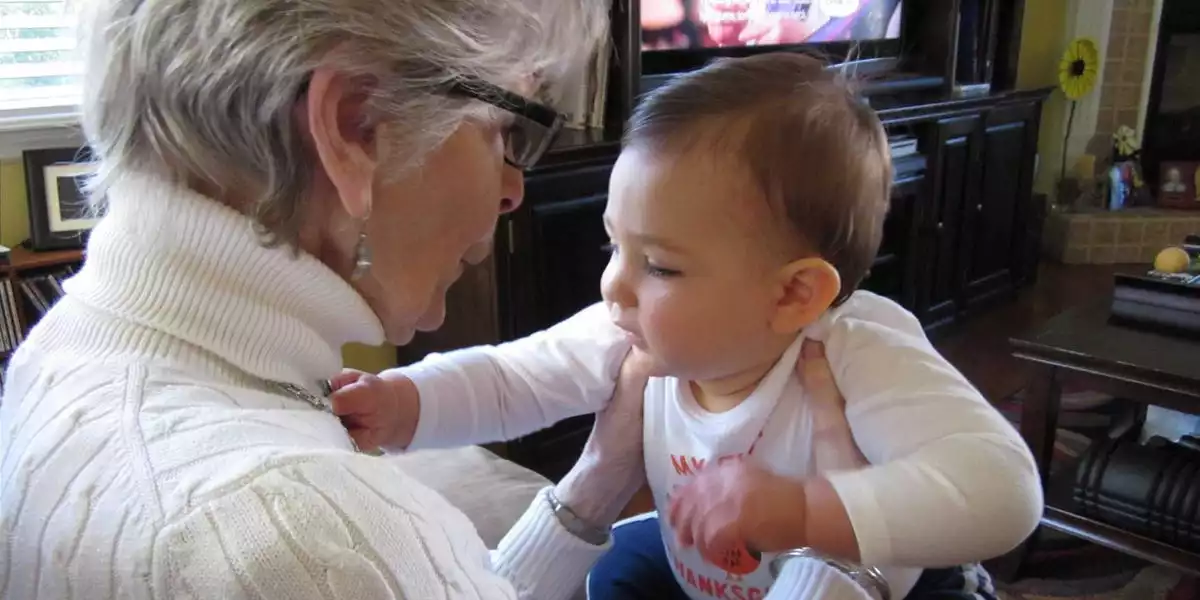
In the quiet choreography of daily life, a grandmother’s midday visits to her daughter—a new, single mother—may seem unremarkable. Yet, beneath this intimate ritual lies a profound, often invisible infrastructure: informal caregiving as the silent engine powering maternal health, workforce resilience, and the well-being of an aging society. As the U.S. demographic landscape tilts, with those aged 65 and older soon to outnumber children under 18, the role of elder caregivers is poised to expand in both scope and necessity. What was once a private act of familial devotion now emerges as a macroeconomic and technological inflection point.
Unseen Wealth: Informal Caregiving as Economic Infrastructure
The economic calculus of caregiving is staggering, yet largely uncounted. According to AARP, unpaid family caregivers contribute an estimated $600 billion annually in the U.S.—a figure that dwarfs entire sectors, yet remains absent from GDP tallies. This “shadow economy” is foundational to household stability, especially as single mothers—comprising roughly 15% of the female labor force in developed markets—navigate the precarious postpartum period. For employers, the stakes are equally high: replacing a departing new mother can cost 20–50% of her annual salary, a hidden churn that ripples through productivity and morale.
Key dynamics include:
- Demographic inversion: By 2030, the U.S. will have more seniors than children, intensifying both the supply and demand for caregiving.
- Labor force fragility: Postpartum attrition among working mothers threatens organizational continuity and diversity.
- Unpriced value: The labor of grandmothers, aunts, and neighbors is the connective tissue that keeps families—and by extension, economies—afloat.
Maternal Mental Health: The Productivity Multiplier
Beyond economics, the psychological dimension of postpartum care is equally consequential. One in seven mothers experiences postpartum depression, with cascading effects on both family health and workplace engagement. The grandmother’s daily presence, as described in the narrative, is not merely comforting; it is clinically significant. Regular, in-person social interaction can reduce depressive symptoms by up to 30%, a statistic that reframes caregiving as a potent lever for productivity and retention.
For employers navigating a talent market increasingly shaped by Gen-Z and Millennial values, the implications are clear:
- Corporate risk: Firms lacking robust maternal-health benefits face higher absenteeism and reputational drag.
- Social touchpoints: The micro-interactions of caregiving—shared meals, a listening ear—are difficult to digitize but essential to recovery.
- Strategic opportunity: Embedding caregiving support into HR policy is no longer a perk; it is a competitive necessity.
Technology’s Promise and Limits: Digitizing the “Grandmother Effect”
The surge in health-tech innovation, from telemedicine to AI-powered mental health chatbots, signals a recognition of unmet needs in postpartum care. Venture funding in maternal-health platforms has soared, yet a gap persists: digital tools excel at information delivery and triage but falter at replicating the tactile, emotional, and logistical support of in-person care.
Emerging vectors include:
- Tele-support platforms: While companies like Maven Clinic and Oula offer virtual guidance, they cannot stir a pot of soup or rock a restless infant.
- AI companionship: Generative AI tools such as Wysa and Woebot provide conversational support, but lack the physicality and intuition of a trusted elder.
- On-demand care marketplaces: Startups like Papa and Kango are monetizing intergenerational care, blending vetted seniors into the caregiving workforce and hinting at a future where informal support becomes a formal employee benefit.
- Behavioral analytics: Wearables and data platforms promise real-time insights into postpartum health, enabling timely interventions but raising complex privacy questions.
The convergence of these technologies with employer-sponsored benefits and public policy is inevitable. Yet, the highest-value nodes in the caregiving network remain stubbornly human and hyper-local—a reality that even the most sophisticated platforms must reckon with.
Strategic Imperatives and the Road Ahead
As the caregiving economy professionalizes and digitizes, stakeholders across the spectrum—healthcare payers, employers, technology companies, and policymakers—face a mandate to operationalize intergenerational social capital. This means:
- Healthcare integration: Expanding reimbursable codes for non-clinical, in-home postpartum support.
- Employer innovation: Funding family-care stipends that recognize the value of elder and peer caregivers alongside professional services.
- Platform interoperability: Building bridges between maternal-health and elder-care apps, with privacy and data sovereignty at the forefront.
- Urban design: Incentivizing mixed-age housing and flexible leave policies that mirror real-world caregiving rhythms.
The risks are real: workforce shortages, regulatory ambiguities, and algorithmic bias threaten to stall progress. Yet, the signals of opportunity are unmistakable. As ESG mandates elevate caregiver support to a boardroom priority, and as hybrid benefit models become a differentiator in talent markets, the latent asset of intergenerational care is finally coming into focus.
What appears, at first glance, as a simple act of a grandmother’s love is, in truth, a microcosm of the next frontier in workforce strategy, healthcare delivery, and technology design. Those who can translate this deeply human infrastructure into flexible, tech-enabled solutions will unlock not just economic value, but a richer, more resilient social fabric for the decade to come.


 By
By
 By
By
 By
By
 By
By


 By
By







