
Google’s Smart-Home Unification: The Quiet Revolution Behind the Thermostat
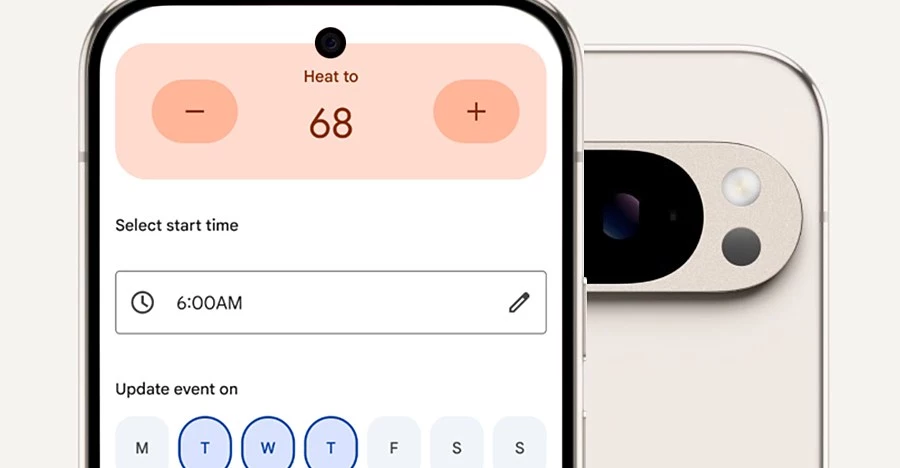
The latest move from Google—extending full scheduling control for third-generation Nest Learning Thermostat and Nest Thermostat E devices to the Google Home app—may, at first glance, seem like a mere software update. Yet beneath the surface, this transition is a masterclass in platform consolidation, data leverage, and the subtle art of ecosystem entrenchment. As the sun sets on legacy Nest app support and the earliest Nest firmware, Google is not just simplifying user experience; it is redrawing the blueprint for the connected home.
Platform Convergence: From Fragmentation to Cohesion
The migration of historic schedules, sensor-specific automations, and fan controls into the Google Home app marks a decisive step toward platform unity. By folding older thermostats into a single, AI-powered environment, Google eliminates parallel code bases and accelerates feature parity across its device portfolio. This is not simply a matter of convenience. It is a calculated move to:
- Unify APIs, reducing technical debt and streamlining future integrations with emerging standards like Matter and Thread.
- Enhance Edge-to-Cloud Intelligence, enabling more robust machine learning models for energy optimization by aggregating telemetry from a broader, more diverse cohort of devices.
The result is a feedback loop where every thermostat, old or new, becomes a node in a sprawling, data-rich network—fuel for the algorithms that will shape tomorrow’s energy grids.
Data, Design, and the New Economics of Smart Energy
What distinguishes this update is not only the technical underpinnings but also its economic and experiential dimensions. The revamped Google Home app introduces a Material You-inspired interface, with color-coded cues and intuitive schedule visualizations. This design refresh is more than aesthetic; it is a behavioral nudge, lowering the cognitive barrier for users to adopt advanced automations and, ultimately, to remain within Google’s ecosystem.
The implications are profound:
- Monetization Pathways: By consolidating device management, Google raises the cost of switching to rival platforms and primes the pump for subscription upsells—think expanded Nest Renew tiers or bundled energy services.
- Lifecycle Economics: The end of support for first- and second-generation Nest devices nudges users toward hardware upgrades, a timely lever as smartphone sales plateau and hardware margins become ever more precious.
- Competitive Positioning: With these enhancements, Google Home edges closer to Amazon’s Alexa in unified control, while leapfrogging Apple’s HomeKit in energy dashboard sophistication—staking a claim as the indispensable hub of the smart home.
For utilities and energy retailers, the richer dashboards and granular telemetry open new vistas: dynamic pricing, gamified conservation, and real-time demand-response partnerships. Corporate customers, meanwhile, can now weave thermostat data into their ESG narratives, leveraging Scope 3 emissions insights as regulatory and investor scrutiny intensifies.
Regulatory Crosscurrents and the Battle for Interoperability
No consolidation of this scale escapes scrutiny. Migrating millions of users from the Nest app to Google Home raises inevitable questions around data commingling and platform self-preferencing—issues that are already in the crosshairs of regulators on both sides of the Atlantic. The specter of antitrust action looms, particularly as new legislation around app store neutrality and data portability gains traction.
Yet, Google’s aggressive push toward Matter-readiness also positions it as a de facto standard-bearer in the smart-home arena. By delivering seamless, native control for a growing array of devices, Google exerts gravitational pull on OEMs and component suppliers, subtly pressuring laggards to align with its cadence or risk obsolescence.
Strategic Ripples: Guidance for Industry Stakeholders
The ramifications of Google’s move ripple far beyond thermostat scheduling. For technology leaders, the lesson is clear: API harmonization is no longer optional—it is a prerequisite for agility and scale. Utilities and energy retailers must move swiftly to design incentive schemes and data-sharing frameworks that harness the new telemetry streams, lest they cede ground to Google’s burgeoning demand-response programs. Investors would do well to track the evolving smart-home LTV metrics, as consolidated apps often presage a surge in subscription revenue and attach rates for ancillary services.
In this evolving landscape, Fabled Sky Research and other forward-thinking analysts are watching closely, parsing the signals for what they reveal about the next phase of smart-home transformation. As Google tightens its grip on the infrastructure of domestic life, the lines between gadget, platform, and grid are blurring. Those who understand the full sweep of this shift—from supply chain recalibration to regulatory risk—will be best positioned to capture the value as the home becomes not just smart, but truly sentient.

 By
By
 By
By
 By
By
 By
By

 By
By