

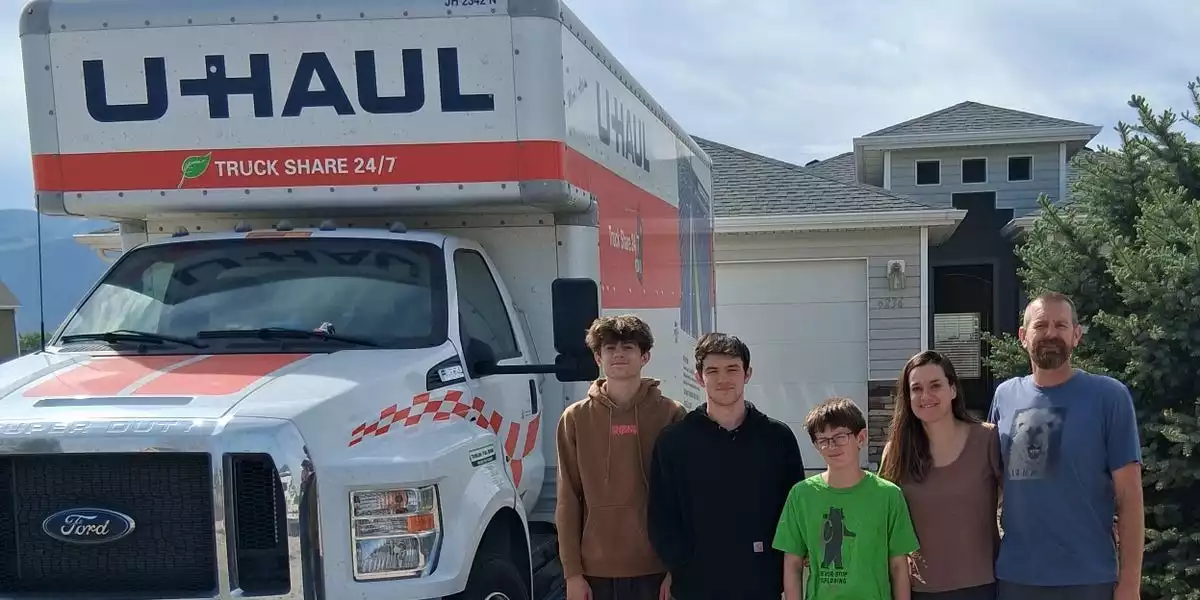

The Migration Mosaic: How One Family’s Move Illuminates Shifting Urban Economics
A seemingly ordinary relocation—a family departing rural Utah for a rental in suburban Denver—offers a vivid lens into the seismic shifts reshaping American residential, economic, and mobility landscapes. This microcosm, while anecdotal, reflects a convergence of macroeconomic forces: constrained housing liquidity, the magnetic pull of amenity-rich “15-minute” suburbs, the ascendancy of micromobility, and a decisive pivot in household spending toward flexibility and experience over static ownership. Together, these trends are not only redrawing real estate demand curves but also catalyzing new strategies for mobility innovators, fintech disruptors, and municipal visionaries.
Capital Arbitrage and the Allure of Amenity-Driven Suburbs
The Anderson family’s move was not simply a change of address—it was a calculated act of capital arbitrage. Thirteen years of accrued home equity in Utah became a springboard, mirroring a national pattern: homeowners in lower-cost regions are unlocking liquidity, accepting higher rents, and migrating to locales where lifestyle amenities are the true currency. This migration is propelled by persistent supply shortages in high-growth Western metros, which sustain landlord pricing power and elevate build-to-rent neighborhoods as institutional investor darlings.
Denver’s leafy, trail-laced suburbs exemplify the “15-minute” city ideal. Here, mature canopies and interconnected pathways are not mere aesthetic flourishes—they are the infrastructure of desirability. The Andersons’ immediate embrace of local cafés, parks, and retail underscores the premium attached to experiential density without the burdens of urban congestion. For municipalities, investments in cohesive trail networks and micromobility lanes are no longer just public goods—they are strategic talent magnets, converting infrastructure outlays into sustained population inflows.
Micromobility and the New Household Budget
A pivotal element of the Andersons’ adaptation was the embrace of e-bikes, which supplanted a significant portion of their automotive spend. This validates a core promise of the micromobility sector: higher fixed housing costs can be offset by reduced variable transportation expenses. For e-bike manufacturers and fleet operators, such usage patterns—errands, school runs, leisure rides—offer a blueprint for bundled service models encompassing maintenance, insurance, and financing, tailored to the needs of newly arrived renters.
This behavioral shift reverberates across the consumer fintech landscape. As the Andersons trimmed digital subscriptions, they joined a growing cohort experiencing “subscription fatigue,” raising churn risks for streaming platforms and SaaS-adjacent services. Fintech platforms that prioritize granular spend optimization and dynamic budgeting are poised to capture households navigating these lifestyle transitions.
Labor Flexibility, Retail Evolution, and Policy Ripple Effects
The economic recalibration extends into the labor market. The Andersons’ dual-income strategy—a part-time job layered atop freelance writing—epitomizes the modern portfolio career. For employers, the influx of amenity-seeking professionals into suburban markets expands the freelance talent pool, demanding more sophisticated retention and compensation strategies.
Retail and local commerce, too, are being reshaped. The family’s “bike first, spend later” discovery pattern highlights the symbiosis between active-transport infrastructure and neighborhood retail vitality. Retail site selection algorithms would do well to treat trail and micromobility accessibility as leading indicators of sales potential, not afterthoughts.
Public-sector interventions, such as free, higher-quality school lunches, emerge as potent “soft magnets.” These programs not only cushion higher living costs but also enhance civic value, influencing household location decisions in ways that should be quantified when advocating for policy renewals.
Strategic Imperatives for the New Urban Economy
The Andersons’ journey encapsulates a broader inflection point: upwardly mobile professionals are increasingly willing to trade asset ownership for experiential richness, provided infrastructure and community amenities align with flexible work arrangements. For stakeholders across real estate, mobility tech, consumer fintech, and municipal planning, the imperative is clear:
- Real Estate & PropTech: Prioritize “green-edge” neighborhoods and tenant experience platforms as service differentiation overtakes pure price competition.
- Mobility & Energy: Scale e-bike infrastructure and partnerships with rental communities, while utilities and insurers refine models for lightweight electric vehicles.
- Retail & Digital Services: Integrate active-transport accessibility into site selection and bundle local perks with premium digital offerings to counter churn.
- Municipal Policy: Quantify and communicate the ROI of “soft magnet” policies to strengthen capital market narratives and attract future investment.
As these currents accelerate, the migration narrative ceases to be a footnote and becomes a blueprint. For those charting the future of urban life, the lesson is unmistakable: design for mobility, experience, and flexibility, and the new American household will follow.


 By
By


 By
By

 By
By
 By
By







