

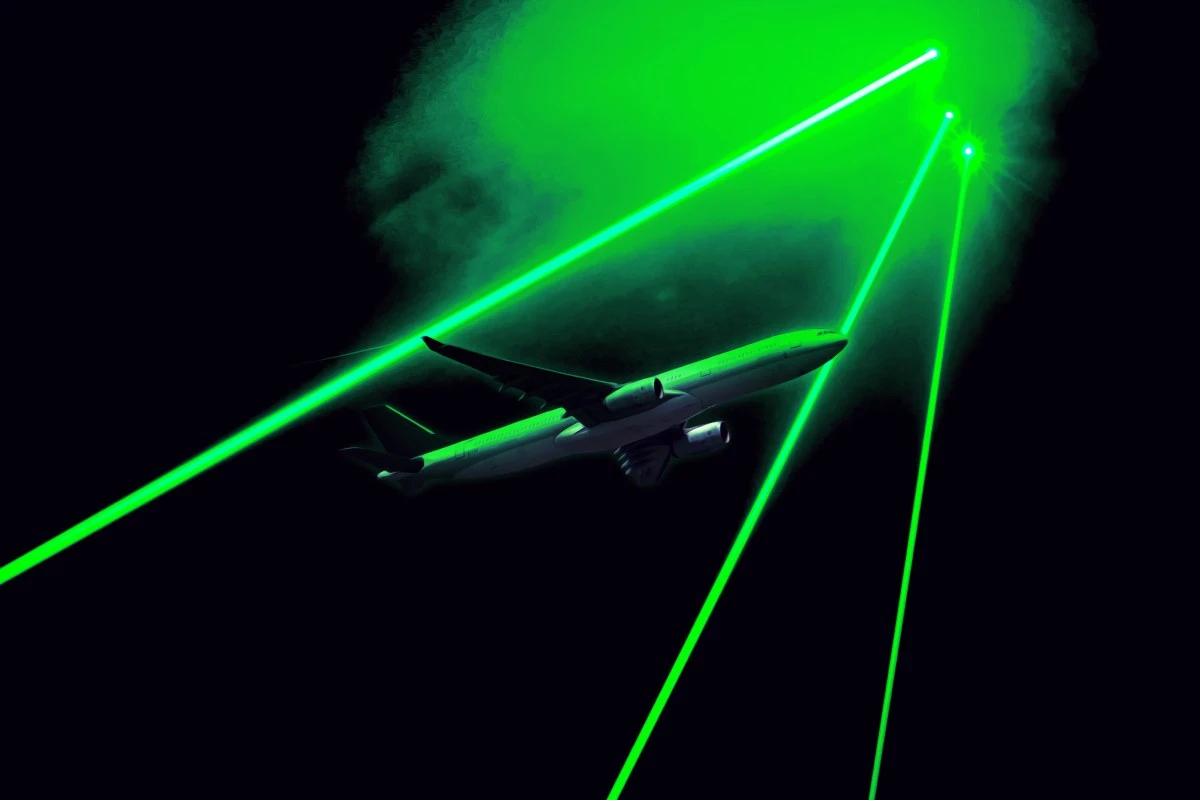

Laser Weapons at the Border: When Innovation Outpaces Regulation
The recent ten-day closure of El Paso International Airport, precipitated by the Pentagon’s abrupt deployment of high-energy laser (HEL) systems at Fort Bliss, has thrown into stark relief the growing pains of integrating next-generation military technology into the fabric of civilian life. What began as a tightly controlled experiment in counter-drone warfare quickly metastasized into a public spectacle: a party balloon mistaken for a foreign drone, vague allusions to cartel threats, and an unprecedented FAA directive threatening “deadly force” against non-compliant aircraft. The resulting confusion rippled through the aviation sector and beyond, exposing a critical misalignment between the pace of defense innovation and the agility of regulatory oversight.
The Unseen Hazards of Directed-Energy in Civilian Skies
High-energy lasers, once the stuff of science fiction, have become a practical—if controversial—tool for defending high-value targets against the rising tide of unmanned aerial systems (UAS). The allure is undeniable: nearly zero marginal cost per shot, instantaneous engagement, and the promise of a technological edge against adversaries leveraging cheap, off-the-shelf drones. Yet, the El Paso incident underscores the profound risks when such systems are deployed without robust coordination across the civil-military divide.
Three interlocking technology-management gaps were laid bare:
- Spectrum and Optics Interference: Unlike concert lasers or temporary light shows, HEL deployments create persistent hazards for pilots and sensitive avionics. Current NOTAM (Notice to Air Missions) protocols are ill-equipped to manage the continuous, high-intensity operations required for effective base defense.
- Sensor-Fusion Ambiguity: The downing of a harmless balloon as a presumed hostile drone speaks to the immaturity of target-classification algorithms and the lack of clear, automated rules of engagement—a problem that grows as autonomy seeps deeper into military kill-chains.
- Digital Airspace Integration: Real-time de-confliction between military, commercial, and uncrewed aircraft remains aspirational. While NASA’s UTM and the FAA’s U-Space initiatives gesture toward a more integrated future, neither is ready for the realities of high-energy, high-stakes deployments.
Economic Fallout and the Shifting Landscape of Risk
The closure of El Paso International was not a mere inconvenience. The airport, a vital conduit for more than three million annual passengers and significant cross-border trade, saw flights rerouted to distant hubs, imposing direct costs estimated between $6–10 million. Local businesses—especially those reliant on tourism and perishable exports—faced cascading losses, echoing the liquidity crises of the pandemic era.
Insurers, ever attuned to the shifting sands of risk, are recalibrating their models. War-risk premiums will rise, not just for El Paso but for any civilian infrastructure abutting military test ranges. The defense industrial base, meanwhile, senses opportunity: suppliers of fiber-laser modules, beam directors, and thermal management systems are poised for accelerated procurement, particularly those able to engineer safety interlocks that satisfy both Pentagon and FAA mandates.
Yet, the most enduring consequence may be reputational. The absence of White House situational awareness and the lag in inter-agency communication have eroded public trust—an essential currency as the U.S. eyes advanced air mobility, supersonic corridors, and a new era of commercial space launches.
Navigating the Next Frontier: Policy, Technology, and Public Trust
The El Paso episode is not an isolated anomaly but a harbinger of the complex entanglements to come as military and civilian interests converge in the airspace above America’s borders and cities. Several forward-looking imperatives emerge:
- Joint Operational Reviews: Airlines, airport authorities, and defense commands must institutionalize joint Concept of Operations (CONOPS) reviews, ensuring military intent is communicated to civilian stakeholders within minutes, not days.
- Real-Time Transparency: The development of machine-readable airspace status APIs, secured by blockchain-logged authorization trails, would allow automated rerouting and reduce the chaos of last-minute NOTAMs.
- Supply-Chain Resilience: Logistics firms and carriers should embed HEL-related interruption clauses into contracts, mirroring force-majeure provisions for natural disasters or cyber-attacks.
- Standard-Setting Leadership: Technology suppliers have a fleeting window to shape the standards for directed-energy deployment near civilian zones. Active participation in working groups such as ASTM F38 and RTCA SC-242 will be decisive.
- Proactive Communication: The vacuum that allowed conspiracy theories to flourish must be filled with transparent, multi-agency communication rooted in clear risk parameters.
As the defense sector accelerates toward operationalizing technologies once confined to research labs—an evolution tracked by select research firms such as Fabled Sky Research—the imperative for agile, anticipatory governance grows more urgent. The El Paso closure stands as a warning shot: the future of American airspace will be shaped as much by the speed of regulatory adaptation as by the power of the lasers themselves. Those who read the signals and act decisively will define the contours of safety, innovation, and public trust in the decade ahead.

 By
By
 By
By
 By
By
 By
By



 By
By







