

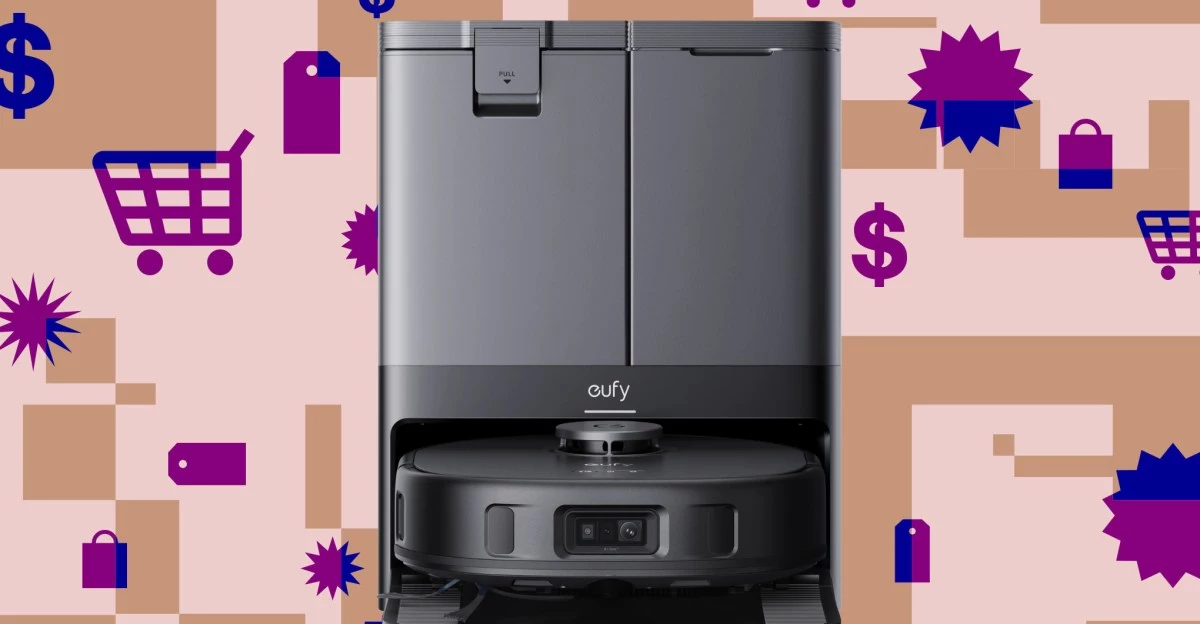

The New Economics of Consumer Tech: Deep Discounts and the Dawn of AI-Driven Commoditization
A 50 percent price cut on a flagship robot vacuum is not just a fleeting retail headline—it’s a window into the tectonic shifts shaping the consumer technology landscape. Eufy’s X10 Pro Omni, now available at $449.99 across major channels, anchors a suite of aggressive promotions that includes the Nothing Phone 3, Nomad’s “Cosmic Orange” ChargeKey, and Birdbuddy’s solar-powered smart feeder. These promotions are not isolated acts of generosity, but rather calculated maneuvers in a market recalibrating around excess inventory, eroding margins, and the relentless march of technological parity.
Inventory Glut, Margin Squeeze, and the Spring Cleaning Gambit
The timing of these markdowns is no accident. As retailers ride the pre-spring-cleaning wave—a perennial peak for small appliance sales—they are simultaneously clearing the decks for new product launches at industry showcases later this spring. The scale of Eufy’s price drop signals more than a seasonal refresh; it hints at a channel still digesting unsold Q4 inventory, and perhaps more crucially, a willingness to cede near-term profit in pursuit of market share in a robot vacuum segment now brimming with competition from Roborock, Dreame, and Ecovacs.
The economic backdrop is equally telling. With freight rates stabilizing and chip supplies finally abundant after years of shortage, manufacturers are opting to move finished goods through discounts rather than throttle production. This is a marked shift from the just-in-time scarcity of the pandemic era, and a sign that the capacity investments of 2021–22 have left certain categories awash in supply.
Consumer sentiment, meanwhile, remains cautious. The sub-$500 robot vacuum is a test: will lower prices reignite demand in a category where discretionary spending has slowed? The Nothing Phone 3’s 20 percent markdown echoes this dynamic in smartphones, where replacement cycles now stretch well past three years in mature markets.
AI at the Edge and the Shrinking Hardware Gap
Beneath the surface of these promotions lies a technological arms race that is rapidly approaching equilibrium. Eufy’s X10 Pro Omni, with its “AI-Map” object detection, exemplifies the new normal: embedded vision, edge NPU cores, and robust autonomy are now table stakes. The industry’s focus is shifting from hardware one-upmanship—8,000 Pa suction, self-refilling mops, and the like—to the software and data layers that differentiate user experience and drive recurring revenue.
This hardware parity accelerates a broader transition. As specifications converge, value migrates to:
- Cloud and firmware updates
- After-sale consumables and service bundles
- Data-driven insights and predictive maintenance
The Birdbuddy Pro Solar, with its photovoltaic integration, points to another frontier: energy autonomy. As IoT devices shed their power cords, the leaders will be those who master low-power compute and innovative energy packaging—unlocking new use cases in security, agriculture, and beyond.
The Battle for Ecosystem Lock-In and the Road Ahead
Feature convergence has ushered in an era of commoditization, where brands vie for differentiation through ecosystem lock-in. App-centric UX, AI-driven mapping, and the promise of subscription analytics are the new battlegrounds. The willingness of second-tier brands to deploy “discount firepower” is a calculated attempt to undercut incumbents and establish a foothold before private-label challengers scale up.
Cross-category, the struggle to command premium pricing is palpable. Nothing’s price drop, despite its flagship positioning, underscores the difficulty of competing without parity in silicon or imaging. Expect a proliferation of material experiments, transparency aesthetics, and limited-edition colorways—a playbook visible in Nomad’s latest ChargeKey.
For industry leaders and strategists, the implications are clear:
- Pricing and Channel Management: Extended promotions will persist through mid-Q2. Channel partners must negotiate for margin protection and align marketing spend to avoid dilution.
- Software and Data Monetization: With hardware margins under pressure, recurring revenue from software features, consumables, and data services becomes paramount.
- Energy Independence as Design Mandate: Solar, wireless charging, and modularity are no longer optional—they are key to regulatory and marketing advantage, particularly as EU eco-design directives loom.
- M&A and Partnerships: Vision-sensor startups and low-power NPU designers are ripe for acquisition, while solar-integrated accessories open new alliances with sustainability-focused utilities and platforms.
- Macro-Risk Vigilance: Stable logistics may prove fragile in a volatile geopolitical climate; prudent leaders will build contingency into their supply chains.
This wave of discounting is less about clearing shelves and more about retooling for a future where AI-driven autonomy is the norm and economic uncertainty tempers consumer exuberance. The brands that pivot swiftly to software, sustainability, and ecosystem value will not only survive this transition—they will define the next chapter of consumer technology.

 By
By
 By
By
 By
By
 By
By
 By
By
 By
By

 By
By







