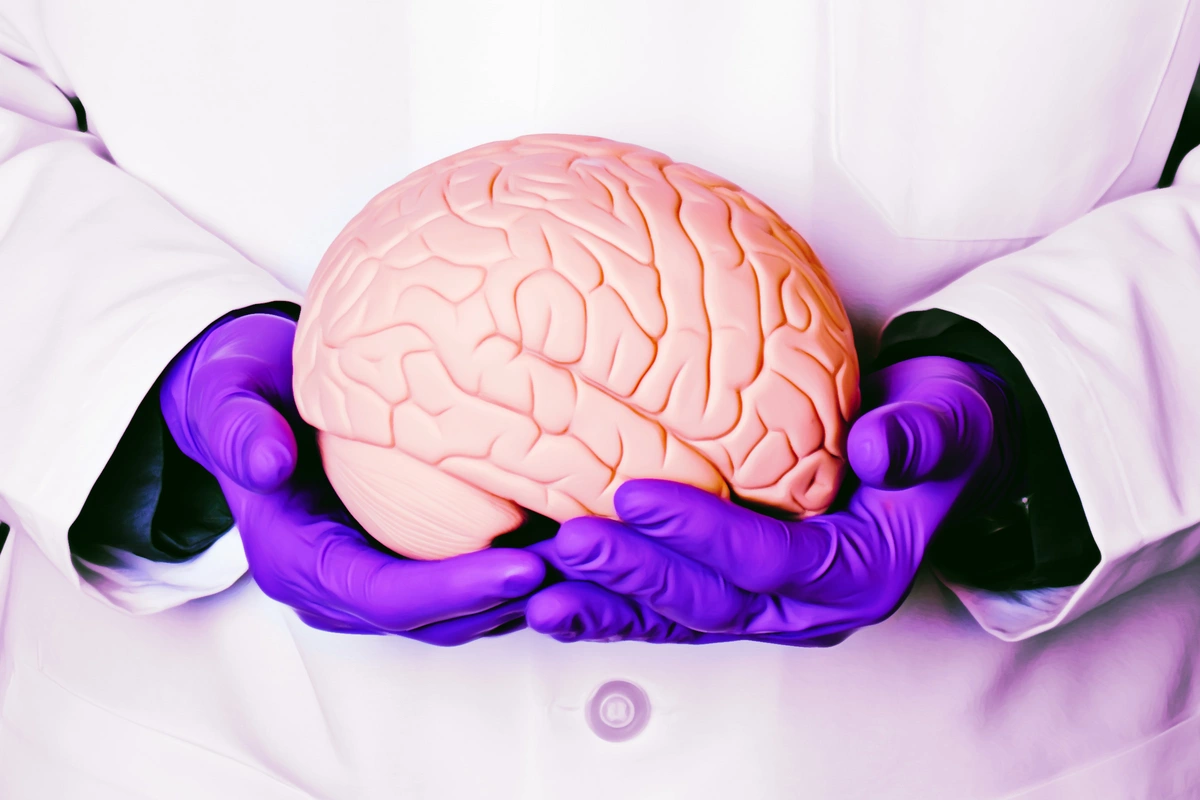

The New Frontier: Brain Organoids at the Edge of Science and Ethics
In a quiet laboratory at Johns Hopkins University, a revolution is unfolding in miniature. Scientists have engineered brain organoids—tiny, stem-cell-derived tissues that echo the architecture and electrical rhythms of the human brain. Designed to model neurological disease and accelerate drug discovery, these constructs are rapidly gaining complexity, raising a profound question: at what point might a cluster of cells, nurtured in a dish, cross the threshold into consciousness?
This is no longer the stuff of speculative fiction. A recent Live Science poll reveals a sharply divided public. One quarter of respondents reject experimentation on organoids outright if there is any chance of sentience. Another quarter would approve only if the organoids remain demonstrably non-conscious. The rest split between conditional support with new safeguards and confidence in current guidelines. No laboratory has yet verified sentience in these constructs, but as organoids integrate multiple brain regions and mimic early fetal brains, the ethical and regulatory frameworks that once seemed sufficient now appear dangerously outdated.
Technological Acceleration: From Wetware to Hybrid Intelligence
The pace of progress in organoid science is dizzying. Several inflection points are reshaping the field:
- Organoid Fidelity: Innovations in spatial transcriptomics, microfluidic nutrient delivery, and 3-D bioprinting are driving organoids toward unprecedented realism. Enhanced vascularization and inter-region signaling mean these tissues are beginning to functionally resemble early-stage human brains.
- Convergence with AI: In closed-loop experiments, researchers are coupling organoid neural activity to machine-learning algorithms, creating “wetware-in-the-loop” systems. These hybrid platforms hint at a future where biological networks are trained much like deep-learning models, blurring the line between silicon and synapse.
- Toolchain Acceleration: Cloud-based imaging analytics and CRISPR gene-editing kits have compressed iteration cycles from years to quarters. The cost of experimentation is falling, and the velocity of discovery is rising.
These advances are not occurring in isolation. Venture capital is flowing into “deep-tech convergence” plays, where organoid start-ups with integrated compute pipelines are commanding valuations once reserved for mid-stage SaaS firms. The intellectual property landscape is becoming a thicket of patents around scaffolding, perfusion bioreactors, and synaptic stimulation protocols. Yet, the question of who owns the data generated by potentially conscious tissue remains legally and ethically unsettled—a dilemma reminiscent of early debates over human genomic data rights.
Navigating the Ethical and Regulatory Labyrinth
The ethical terrain is as complex as the science. There is no universally accepted metric for consciousness in non-gestational neural tissue. This regulatory ambiguity is creating arbitrage opportunities: some jurisdictions are quietly courting “brain-on-chip” ventures in the absence of strict oversight. The National Academies and OECD are only beginning to grapple with these issues, and the result is likely to be a patchwork of voluntary compliance frameworks—much as was seen in the early days of CRISPR gene editing.
For companies and investors, the stakes are high:
- Portfolio Hedging: Pharma and biotech strategists are advised to diversify into both synthetic and biologically derived neural models, spreading regulatory risk.
- Standards Leadership: Early movers who collaborate with bioethicists and standards bodies can shape the emerging norms, securing first-mover credibility and minimizing future compliance costs.
- Talent Arbitrage: The field demands hybrid expertise—stem cell biology, computational neuroscience, and ethics. Organizations that assemble multidisciplinary teams early will enjoy a formidable competitive moat.
The reputational risk is real. ESG-oriented investors are weighing the prospect of backlash akin to that faced by companies using non-human primates in research. Codifying higher-than-required ethical standards now can serve as both shield and differentiator.
Strategic Horizons: From Regulation to Bio-Compute Clouds
Looking ahead, several scenarios are coming into focus:
- Regulatory Lock-In: By 2026, expect at least one major jurisdiction—perhaps the EU or California—to issue organoid-specific legislation mandating consciousness assessment protocols. Companies should allocate compliance budgets now; retrofitting later will be far costlier.
- Bio-Compute Clouds: Within five years, cloud providers may offer “living compute instances,” renting organoid neural processing time for specialized AI tasks. Strategic partnerships here could be lucrative, but public perception will be a critical variable.
- Ethical Premiums: A “conscious-free certified” mark may soon influence procurement decisions, much as “cruelty-free” labels do in consumer goods. Early certification could unlock preferred-supplier status in research consortia.
- M&A Activity: Established contract research organizations are likely to acquire organoid boutiques, seeking to integrate vertical capabilities and capture high-margin neuropharmacology services.
Brain organoids are not merely a technical marvel—they are a crucible for the convergence of biotechnology, neuroscience, and artificial intelligence. The choices made now, by scientists, investors, and ethicists alike, will shape not just the future of medicine but the boundaries of what it means to be conscious, to create, and to be responsible for new forms of life. For those with the foresight to engage deeply and act decisively, the rewards—and the responsibilities—will be profound.

 By
By
 By
By
 By
By

 By
By


 By
By