
The New Economics of Home Robotics: Prime-Day Discounting and the Shifting Competitive Terrain
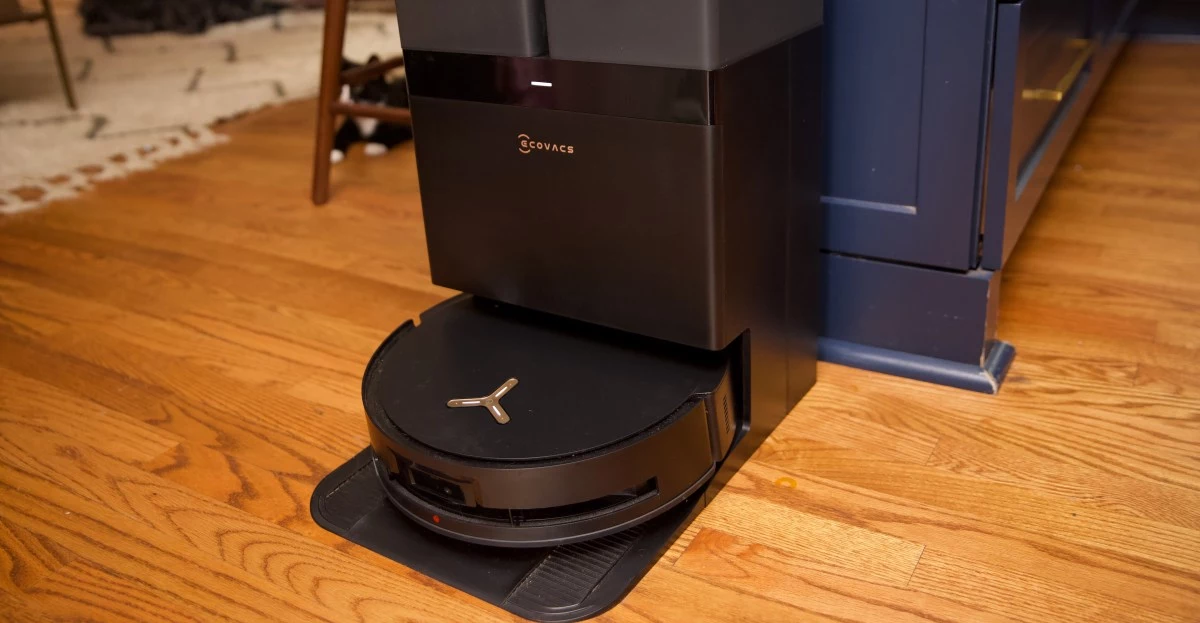
In the days leading up to Amazon’s annual Prime Day shopping event, Ecovacs has unleashed a bold maneuver—slashing U.S. retail prices on its flagship Deebot X8 Pro Omni and the newly launched X9 Pro Omni by 27% and 31%, respectively. These record lows, now visible across Amazon, Best Buy, and Ecovacs’ own storefronts, are not merely seasonal promotions. They signal a recalibration of the premium home-robotics market, where technology, economics, and platform strategy are colliding in ways that will reshape the category for years to come.
Robotics Innovation: From Incremental Features to Platform Play
At the heart of the Deebot X-Series’ appeal is a confluence of advanced robotics once reserved for the ultra-premium tier. The integration of lidar and 3-D vision, now found in sub-$800 models, accelerates the commoditization of sensor fusion and raises the baseline for what consumers can expect from autonomous cleaning devices. Where early robovacs struggled with edge cases—corners, tangled cables, and inconsistent mapping—Ecovacs’ latest models deploy extendable roller mops and anti-tangle brushes, pushing the category closer to the elusive “set-and-forget” promise.
The dock, too, has evolved from a mere charging station to a multifunctional hub that washes, dries, refills, and disposes of waste. This hub-and-spoke approach not only enhances user convenience but also lays the groundwork for future attachable services: air-quality cartridges, consumable subscriptions, and predictive maintenance. The X9 Pro’s out-of-the-box Matter integration marks a watershed moment, enabling seamless onboarding across Alexa, Google Home, and—crucially—future-proofing against Apple’s walled garden. As Matter gains traction, the smart-home landscape is poised to shift from vertically integrated silos to horizontally interoperable platforms, reducing friction for both users and third-party developers.
Channel Dynamics: Pricing, Margins, and Strategic Positioning
Ecovacs’ pre-Prime Day promotions are as much a test of demand elasticity as they are a tactical strike. The timing allows the company to gauge conversion rates, informing not just holiday pricing but also inventory allocations for the remainder of the year. The depth of these discounts suggests a dual motivation: clearing higher-than-expected channel inventory and preemptively capturing market share before Amazon’s pending acquisition of iRobot—still under regulatory scrutiny—potentially upends the competitive landscape.
The economic calculus is nuanced. Bill of materials estimates indicate that margins at these price points are compressed into the high teens, a significant concession. Yet, the real play may be in installed base growth. By expanding the footprint of its robots, Ecovacs positions itself to capitalize on high-margin aftermarket revenue streams—brushes, filters, detergent pods—where gross margins can exceed 40%. Favorable currency movements and normalized freight rates give Ecovacs, with its yuan-denominated cost structure, a flexibility that U.S.-centric rivals may lack.
Strategic Inflection: Ecosystem Lock-In and the Next Frontier
The U.S. household penetration rate for robotic vacuums remains under 15%, but the addition of dual vacuum/mop functionality is projected to expand the total addressable market by up to 25% within the next two years. This is not lost on Ecovacs, which is making a defensive play against the specter of Amazon bundling Prime memberships with subsidized iRobot hardware—a move that could echo the Kindle’s lock-in strategy. By scaling its installed base now, Ecovacs builds the critical mass of data, reviews, and consumer familiarity needed to withstand a potential Amazon/iRobot juggernaut.
Beyond floor care, the lidar and vision stack underpinning the X-Series is readily transferable to adjacent categories: indoor security robots, elder-care assistants, and micro-fulfillment bots. This technological adjacency pipeline hints at a broader ambition—one where the home robot is not just a cleaner, but a multipurpose platform for domestic automation.
Market Implications: Standardization, Privacy, and the Path Forward
The rise of open standards like Matter threatens to erode the defensibility of closed ecosystems. As interoperability becomes table stakes, vendors will be forced to differentiate through software—computer vision, adaptive AI, and predictive replenishment—rather than proprietary connectivity. Meanwhile, the sensitive nature of spatial data collected by lidar and 3-D mapping raises the stakes for privacy and data sovereignty. Regulatory frameworks are maturing, and vendors with transparent, robust data-handling practices may find themselves favored in institutional settings, from hospitality to elder care.
For stakeholders across the value chain—OEMs, retailers, component suppliers, and investors—the current moment is both an opportunity and a crucible. The convergence of aggressive pricing, open-standard connectivity, and ecosystem-centric business models is setting the stage for home robotics to leap from early adoption to mainstream utility. Those who can anticipate and leverage these shifts, whether through platform partnerships or consumables-driven revenue streams, are poised to capture the outsized value that comes with category inflection.


 By
By

 By
By
 By
By
 By
By

 By
By