
Havana’s Jet-Fuel Crisis: When Geopolitics Grounds the Caribbean’s Skies
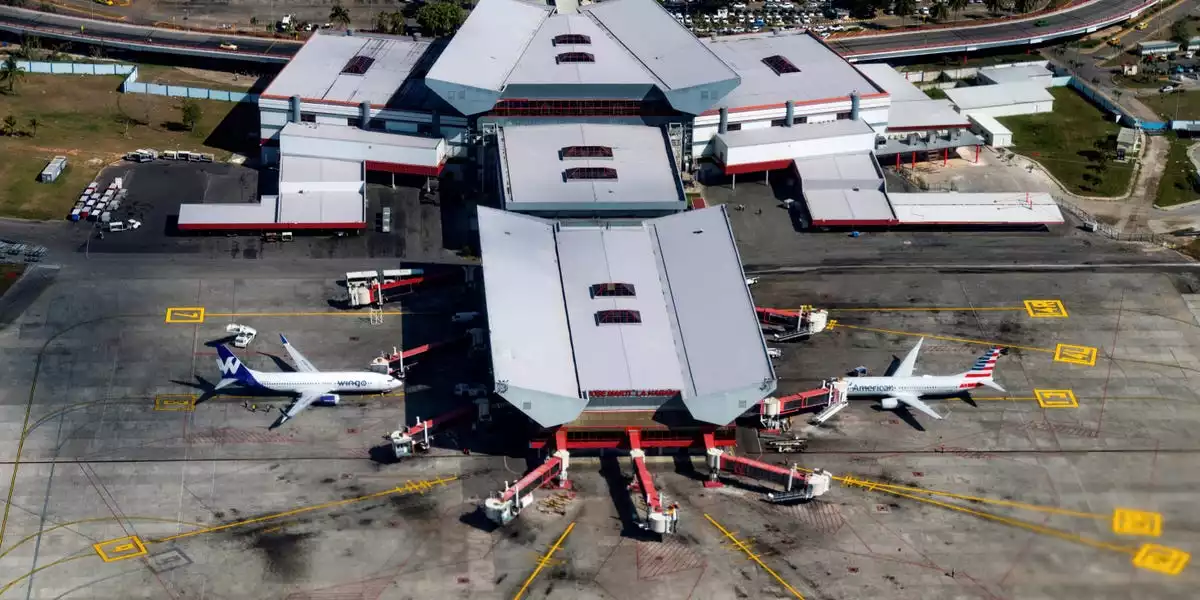
In the humid corridors of José Martí International, the scent of jet fuel—once so familiar—has become a rare commodity. Cuba’s civil-aviation network, always a delicate web, now teeters under the weight of an acute jet-fuel shortfall. The proximate cause: a tightening of U.S. sanctions that has further throttled Venezuelan crude, the island’s primary energy lifeline. Yet the consequences radiate far beyond Havana’s runways, exposing the intricate interdependence of energy, technology, and tourism across the Atlantic and the Americas.
The Domino Effect: How a Fuel Chokepoint Disrupts Global Flight Patterns
The immediate fallout is as dramatic as it is granular. Canadian leisure carriers—long the mainstay of Cuba’s winter tourism—have begun canceling flights en masse, stranding sun-seekers and upending the seasonal calculus of resort towns from Varadero to Cayo Coco. U.S. airlines, constrained by OFAC licenses and wary of local supply, now engage in “fuel tankering”—uplifting extra kerosene at departure to avoid refueling in Havana. This workaround, while operationally prudent, paradoxically increases takeoff weight and overall emissions by 3–5%, undermining industry decarbonization pledges.
European operators, from Air France-KLM to Turkish Airlines, are forced into unscheduled refueling stops in the Dominican Republic or Cancún, gambling on the availability of slots in already congested airports. Each workaround is a logistical ballet, but also a stark reminder: a single geopolitical chokepoint can ripple across route maps, cost structures, and passenger itineraries with astonishing speed.
Technology’s Blind Spots and the Case for Real-Time Geopolitical Intelligence
At the heart of this disruption lies a technological shortcoming. Most dispatch-optimization software—designed to minimize cost under stable supply assumptions—fails to dynamically incorporate the volatility of sanctions or sudden supply shocks. The Cuban episode spotlights a latent weakness in digital flight planning: a lack of real-time geopolitical risk integration.
- Fuel-tankering economics: Airlines’ increased reliance on origin-based fueling raises costs and emissions, revealing the limits of current optimization tools.
- Airport infrastructure gaps: José Martí International, lacking the storage redundancy of larger Caribbean hubs, is emblematic of a broader regional deficit. While temporary solutions like fuel bladders or ship-based bunkering exist, they introduce new layers of insurance, safety, and regulatory complexity.
This is fertile ground for innovators. Vendors of flight-planning software—especially those leveraging AI to ingest sanction updates and supply-chain intelligence—stand poised to capture a market hungry for resilience. Early adopters could realize a 1–2% per-available-seat-mile cost edge during future disruptions, a not-insignificant margin in an industry defined by razor-thin profitability.
Tourism, Trade, and the Sanctions Echo: Strategic Calculus in a Fractured Market
The economic reverberations are profound. Tourism, accounting for roughly 10% of Cuban GDP, is a primary source of hard currency. Each canceled Canadian flight removes high-margin winter traffic, compounding a $2.5 billion balance-of-payments gap and threatening the viability of resort operators, food suppliers, and medical importers alike.
- Canadian carriers face outsized exposure, as Cuba is marketed as a visa-light alternative to pricier Caribbean destinations.
- U.S. legacy airlines must now bake higher tankering costs into their margin forecasts, despite limited absolute exposure.
- European long-haulers risk schedule integrity if alternative refueling slots tighten, an underappreciated congestion externality.
The episode also illustrates the “sanctions echo”—how secondary restrictions on Venezuelan oil ripple outward, creating aviation-fuel scarcity in third-party economies and ensnaring non-U.S. airlines and consumers. Multinationals are now compelled to revisit their enterprise-risk models, stress-testing for scenarios where political decisions in Washington or Caracas can ground aircraft in Havana or Montreal.
Navigating the Turbulence: Strategic Pathways for Resilience and Sustainability
For Cuba, diversification of supply is both urgent and fraught. Courting alternative suppliers—Russia, Mexico, or commodity traders operating in the “gray zone”—may offer short-term relief, but at a premium, with elevated insurance and compliance risk. Airlines with deep Caribbean portfolios should rethink their base-fuel-port concentration, embedding contractual flexibility for multi-hub tankering.
Digital resilience is no longer optional. Flight-planning platforms that integrate real-time geopolitical indices and fuel-inventory data will become industry standard, not luxury. Meanwhile, the tankering paradox—higher emissions in the name of operational continuity—may accelerate interest in local Sustainable Aviation Fuel (SAF) production, aligning energy security with ESG imperatives, though the path is steep and capital-intensive.
Tourism-sector players, from resort REITs to Canadian tour operators, may turn to revenue-insurance products tied to aviation capacity. For Cuban authorities, expanding bilateral tourism agreements beyond traditional markets could buffer future shocks. And in the diplomatic backchannels, there are whispers of narrowly tailored carve-outs for jet fuel—humanitarian or tourism-focused exceptions that could ease economic pain without undermining the broader sanctions regime.
The Cuban jet-fuel crisis is more than a supply hiccup; it is a vivid case study in the fragility of global supply chains, the operational carbon paradox, and the far-reaching consequences of geopolitical maneuvering. For leaders in aviation, energy, and tourism, it is a call to action: to build dynamic risk-management frameworks that fuse geopolitical intelligence, digital optimization, and sustainable-fuel strategies. Those who adapt first will not only weather the current turbulence, but define the contours of resilience in an era of uncertainty.

 By
By
 By
By
 By
By
 By
By
 By
By
 By
By

 By
By