

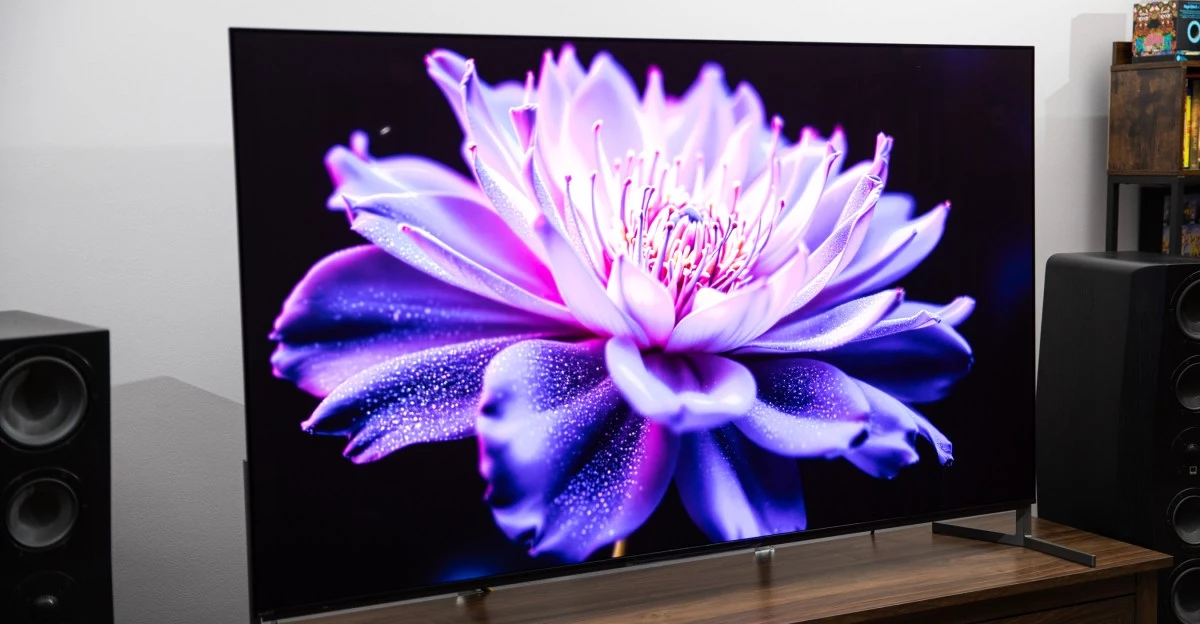

A Winter Sale as Strategic Inflection: Best Buy’s Calculated Gambit in Consumer Electronics
The retail calendar, often dictated by tradition and habit, is occasionally disrupted by moves so deliberate they become case studies in strategic adaptation. Best Buy’s latest Winter Sale, running through January 19, is one such maneuver—a meticulously timed event that transcends mere clearance, offering a window into the evolving dynamics of the consumer-electronics ecosystem.
Flagship discounts—$900 off Sony’s Bravia 8 II OLED, $1,500 off LG’s B5 77-inch, $200 off the M2 MacBook Air—signal more than generosity. They mark a coordinated response to the industry’s post-holiday demand trough, arriving just days after CES 2024’s parade of next-generation hardware. The timing is not accidental; it is a reflection of the pressures and opportunities shaping the sector as it pivots into a new product cycle.
Inventory Realignment and the Product-Cycle Clock
At the heart of Best Buy’s aggressive markdowns lies a classic, yet newly urgent, inventory recalibration. The OLED TV discounts, in particular, are a clear harbinger: retailers are clearing the decks ahead of a wave of QD-OLED, MLA OLED, and microLED displays previewed at CES and expected to reach shelves in the second half of the year. Elevated weeks-of-supply, a hangover from 2023’s uneven demand, leave little room for sentimentality. Promotions—subsidized in part by vendor co-op dollars—are the swiftest mechanism to normalize stock without renegotiating supplier terms.
Panel makers, meanwhile, are betting that the next generation’s features—higher peak brightness, 144 Hz variable refresh rates, ATSC 3.0 tuners—will justify a reset in average selling prices. The sale thus becomes a fulcrum: a means to move aging inventory while preserving the pricing power of what’s to come.
Consumer Behavior in a Cautious Economy
The macroeconomic backdrop is one of cautious optimism, tinged with anxiety. Inflation remains high, though it is slowing, and consumers—especially those with discretionary income—have become more circumspect, waiting for deals before making big-ticket purchases. Best Buy’s deep discounts are not just about clearing inventory; they are a live experiment in price elasticity, designed to convert hesitation into action.
With U.S. credit card balances at a record $1.13 trillion, the retailer is threading a delicate needle: appealing to price-sensitive buyers without eroding the premium aura of brands like Sony, LG, and Apple. The inclusion of margin-rich accessories—Bose headphones, Amazfit trackers—beside headline TV deals is a textbook loss-leader strategy, designed to defend overall profitability even as television margins compress.
Notably, Best Buy’s embrace of brands like Amazfit signals a willingness to diversify beyond the Apple/Samsung duopoly in wearables, a move that could yield both margin and differentiation in a crowded market.
Competitive Dynamics and the Road Ahead
The competitive context is equally instructive. Amazon’s post-holiday “Outlet Event” offered discounts averaging 25%, but Best Buy’s steeper cuts create a temporary moat, reinforcing its status as the go-to destination for large-format consumer electronics. Brick-and-mortar showrooms, paired with digital reach, give Best Buy an edge as manufacturers seek visibility ahead of the NCAA’s “big screen” shopping surge—a seasonal lever Amazon cannot easily pull.
For OEMs, the implications are clear: accelerate the pull-in of 2023 inventory and recalibrate Q1/Q2 factory volumes to avoid a glut when new lineups arrive in Q3. Retailers, meanwhile, are doubling down on bundle-centric merchandising—TVs paired with soundbars, extended warranties, and subscription services—maximizing lifetime customer value in an environment where hardware margins alone are no longer sufficient.
Financial strategists will be watching Q1 earnings closely, as aggressive promotions now could foreshadow margin pressure unless offset by growth in services revenue. For technology innovators, the message is unmistakable: differentiation must come from software and services—AI-driven picture processing, cloud gaming portals, health-centric sensors—rather than hardware specs alone.
Navigating the New Retail-Technology Convergence
Best Buy’s Winter Sale is not simply a response to excess inventory or soft demand. It is a calculated reset, aligning the retailer with the rhythms of the technology product cycle and the realities of consumer psychology in a high-stakes macro environment. The promotional intensity may ebb by late Q1, but the underlying shift—toward data-driven pricing, margin defense through accessories, and relentless software-led differentiation—will persist.
For the consumer-electronics ecosystem, the lesson is clear: hardware is increasingly the vessel, not the value. The future belongs to those who can orchestrate seamless experiences, intelligent services, and adaptive pricing—turning every sale, even a clearance, into a strategic advantage.

 By
By
 By
By
 By
By
 By
By


 By
By







