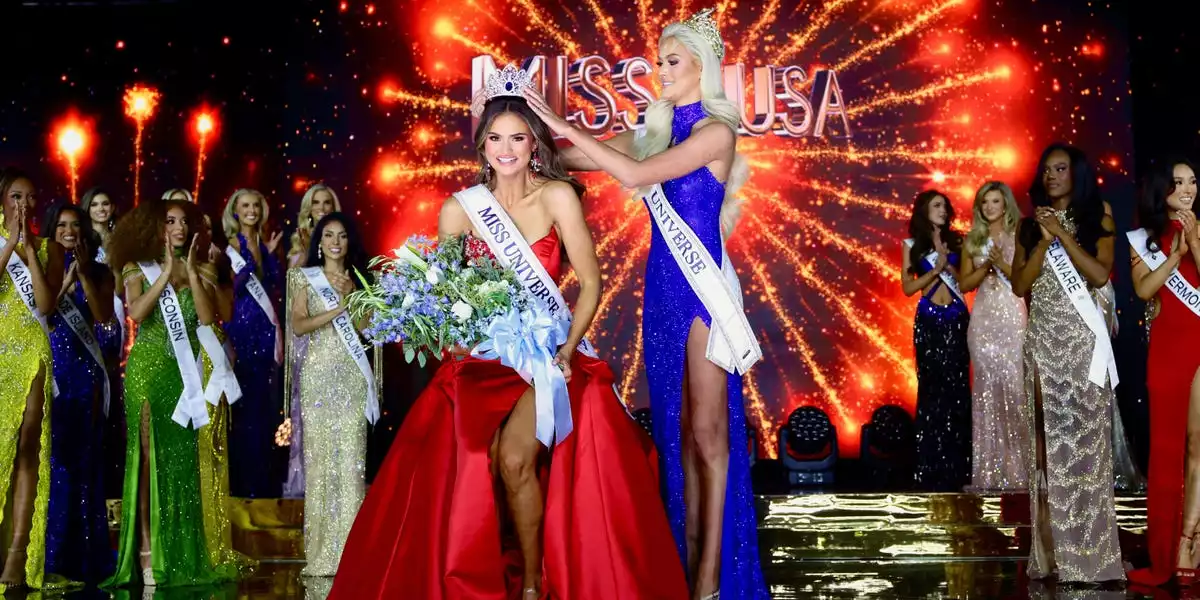

The Miss USA Franchise: From Scandal to Strategic Reinvention
Audrey Eckert’s ascent as Miss USA 2024 is more than a ceremonial flourish—it is the public face of a storied institution’s determined effort to reclaim its place in the cultural and commercial mainstream. After years marred by allegations of rigged outcomes, harassment, and executive churn, the Miss USA organization is orchestrating a high-wire act of reputational repair and digital transformation. The stakes are high: the franchise is not only fighting for the hearts of viewers and contestants but also for the confidence of sponsors and the attention of a generation raised on algorithmic feeds and participatory media.
Governance Overhaul and the Quest for Trust
The appointment of Thom Brodeur as CEO marks a pivotal moment in the organization’s crisis-to-credibility arc. In a move that signals both contrition and ambition, Brodeur has initiated a top-down review of judging protocols and is dismantling restrictive nondisclosure agreements—a gesture that resonates with the broader entertainment industry’s recent transparency drives. This is not mere optics. In an era where consumer-facing brands are scrutinized for their social license as much as their balance sheets, the Miss USA franchise is betting that a demonstrably independent adjudication process and open compliance structures will restore faith among:
- Contestants, who are increasingly aware of their leverage in the creator economy;
- Sponsors, wary of headline risk but eager for authentic association;
- Streaming partners, who demand both viewership and integrity in the content they distribute.
Eckert’s own endorsement of the new regime is more than a perfunctory soundbite—it is a proof point for the organization’s evolving culture, a signal to future talent that Miss USA is once again a credible launchpad for careers and causes.
Digital Transformation: From Linear Legacy to Immersive Engagement
The Miss USA pageant is not simply modernizing its governance; it is reimagining its very medium. The organization’s intention to “change the way judging works” hints at a future where data-assisted scoring, perhaps even blockchain-verified audience participation, becomes standard. Such a hybrid model would not only fortify the integrity of results but also open up new monetization avenues:
- NFT voting tokens and real-time analytics packages for sponsors;
- AR “try-on” filters for beauty products, transforming passive viewers into active participants;
- Metaverse watch parties and interactive content, broadening demographic appeal and raising CPMs.
The migration from linear television to streaming-first platforms is another critical pivot. With traditional live event audiences eroding by up to 40% over the last decade, negotiations with AVOD and FAST channels—think Amazon Freevee or YouTube Primetime—offer not just reach but granular, deterministic ad data. For consumer packaged goods and beauty advertisers, this is the holy grail: measurable engagement in an environment that feels both exclusive and inclusive.
The Economics and Competitive Realities of a Modern Pageant
Behind the scenes, the economics of the Miss USA franchise are being recalibrated. The post-scandal reputational drag likely compressed sponsorship yields, but a transparent governance overhaul provides the rationale for repricing inventory upward—especially as the organization bundles digital measurement guarantees with traditional sponsorships. The upcoming Miss Universe 2025 event in Thailand positions the brand at the heart of ASEAN’s booming beauty and luxury markets, where double-digit growth is forecasted through the decade. Strategic partnerships with regional e-commerce and cosmetics players could unlock new revenue streams, while the licensing of pageant intellectual property into masterclasses, wellness apps, and creator academies promises to diversify income beyond the flagship broadcast.
Yet, the competitive landscape is evolving at breakneck speed. The pageant must contend not only with live sports and algorithmic short-form video but also with the rise of AI-generated influencers—virtual beauty queens who challenge the very notion of authenticity. To stay relevant, Miss USA must deliver “snackable” content for TikTok and Reels, maintain rigorous diversity and safety protocols, and pilot cutting-edge technologies such as volumetric capture for immersive 3D streaming.
Strategic Implications Across the Ecosystem
The Miss USA franchise, now at a crossroads, offers a compelling case study for media, brands, and investors navigating the intersection of legacy entertainment and digital innovation. For media executives, the imperative is to invest in verifiable voting technology and bundle live-event rights with always-on content libraries. For sponsors, the opportunity lies in co-created AR experiences and cause marketing aligned with the organization’s transparency commitments. Technology providers are poised to showcase real-time 3D streaming at global events, while investors will be watching early KPIs—viewership rebounds, sponsorship renewals—for signs that this governance reboot is translating into durable cash-flow recovery.
Audrey Eckert’s crowning moment is thus less a culmination than a beginning—a narrative inflection point for a franchise intent on proving that, in the algorithmic age, even the most tradition-bound brands can reinvent themselves as engines of engagement, trust, and growth.


 By
By
 By
By
 By
By
 By
By
 By
By