
Thanksgiving Meal Kits: The New Battleground for Retail Innovation
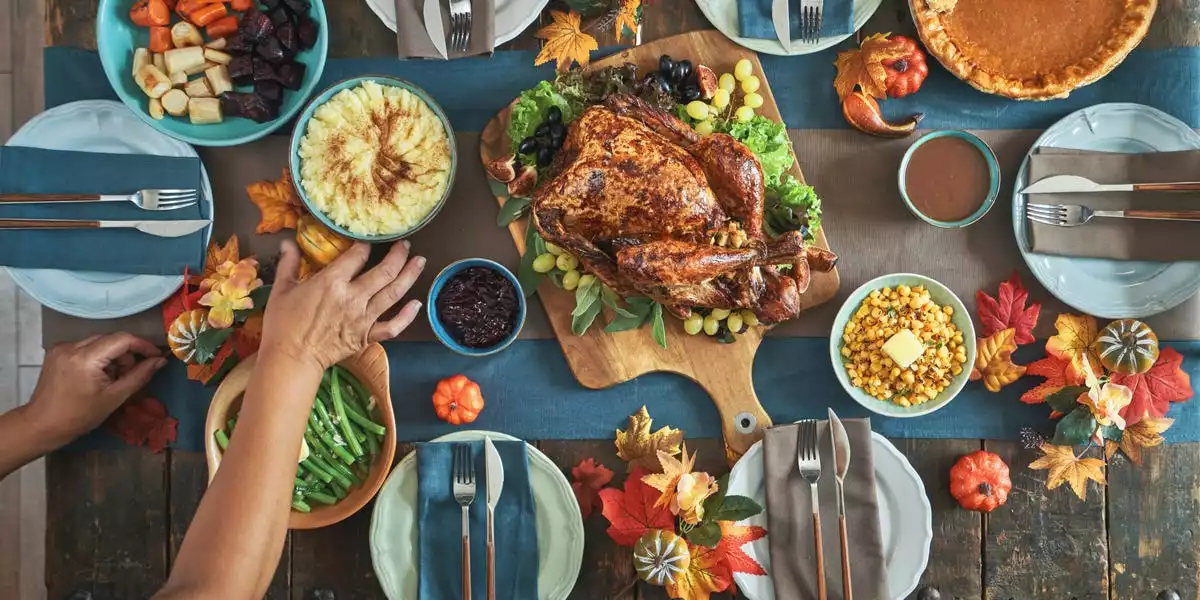
As the leaves turn and Americans gear up for another Thanksgiving, a quiet revolution is reshaping the holiday table. Major U.S. retailers—Walmart, Aldi, Sam’s Club, Costco, and soon Target—are rolling out fixed-price Thanksgiving meal kits, priced between $4 and $10 per person. What appears at first glance to be mere convenience is, in fact, a masterstroke of retail strategy, leveraging scale, technology, and consumer insight to capture a larger share of both the wallet and the mind.
Navigating Inflation, Time Poverty, and the Digital Shift
The backdrop to this innovation is a consumer landscape marked by persistent food inflation and a growing premium on time. While grocery price inflation has eased from its 2022 peak, it remains stubbornly above pre-pandemic norms—up 2.4% year-over-year compared to a 1.8% historical average. Meanwhile, consumer sentiment surveys reveal a steady decline in “holiday splurge” intent for the third consecutive year. For millions, value is no longer a preference; it’s a necessity.
But the pressure isn’t just financial. The modern household, often dual-income and time-starved, now prizes convenience as highly as cost. According to recent data, 86% of such families cite ease of preparation as the top driver in holiday meal planning. Retailers have seized on this, promising Thanksgiving feasts that move from box to table in under two hours—recapturing demand that might otherwise flow to restaurants or takeout.
Digitization is amplifying this trend. Online grocery sales now account for roughly 13% of U.S. food retail, but that figure surges above 20% in the days leading up to Thanksgiving. Meal kits, with their high basket values and predictable demand, have become the anchor product driving curbside and same-day delivery adoption—critical levers in the omnichannel arms race.
The Algorithmic Feast: Technology as the Secret Ingredient
Beneath the surface, these meal kits are a showcase for operational and technological sophistication. Retailers are deploying demand-sensing algorithms to tame the volatility of Thanksgiving staples—turkeys, for instance, once plagued by ±15% forecast errors. By bundling SKUs, grocers can allocate inventory earlier, smoothing cold storage utilization and minimizing costly waste.
Private-label optimization is another pillar. At Walmart and Aldi, 60–70% of bundled sides are store brands, yielding gross margins 400–600 basis points higher than branded equivalents, all while undercutting rivals on price. Pre-configured kits also streamline last-mile logistics, reducing fulfillment times by an estimated 30%—a critical edge during the labor crunches of Q4.
Perhaps most strategically, pre-orders for these bundles generate invaluable data. Each advance reservation is a “demand signal,” enabling precise logistics scheduling and feeding behavioral data into personalization engines—setting the stage for more tailored offers in future holiday cycles.
Competitive Dynamics and Strategic Ripples
The implications of this shift ripple far beyond the Thanksgiving table. By commoditizing the “special-occasion meal kit,” mass merchants are encroaching on the turf of pure-play meal kit firms like Blue Apron, whose average price per serving now looks uncompetitive. Club stores and discounters are also feeling the heat: Aldi’s pricing parity with Walmart neutralizes the latter’s scale advantage, while Sam’s Club leans on membership loyalty to retain its edge.
But the competitive calculus extends further. These bundles directly target the $1.1 billion Thanksgiving restaurant takeout market; even a modest 10% share shift could meaningfully boost grocers’ Q4 comparable sales. And for investors, the mix shift toward private label and the operational efficiencies unlocked by bundling suggest a modest but real boost to gross margins—a +5–10 basis point tailwind for the quarter.
There are also less obvious, but no less significant, strategic linkages:
- ESG and Waste Reduction: Pre-portioned kits reduce food waste, aligning with emerging investor priorities around sustainability and new regulatory pressures on Scope 3 emissions.
- Payments Innovation: Bundles are ideal triggers for buy-now-pay-later (BNPL) offers, with early data showing a 12% larger basket size when such options are presented.
- Smart Kitchen Integration: Embedded QR codes could soon link meal kits to IoT-enabled ovens, creating a feedback loop that supports future branded appliance partnerships.
- Workforce Optimization: Pre-sold kits enable labor hours to be shifted forward, easing peak-week overtime costs just as minimum wages rise in over 20 states.
The Future of Event-Driven Retail
For retail executives, the Thanksgiving bundle is more than a seasonal tactic; it is a blueprint for event-driven, analytics-powered merchandising. The playbook—eventizing other calendar moments, piloting dynamic pricing, integrating ESG metrics—offers a path to year-round relevance and loyalty. Consumer packaged goods manufacturers and technology providers alike are being challenged to innovate in tandem, from premium-tier sides to AI-driven personalization engines.
As Fabled Sky Research and other analysts have noted, the 2023 Thanksgiving bundle race is a proving ground for a new era of retail: data-rich, margin-savvy, and relentlessly convenience-centric. The grocers who can translate this holiday experiment into a sustained, digitally integrated, and sustainable model will not just win Thanksgiving—they will redefine the future of food retail.


 By
By
 By
By
 By
By
 By
By
 By
By