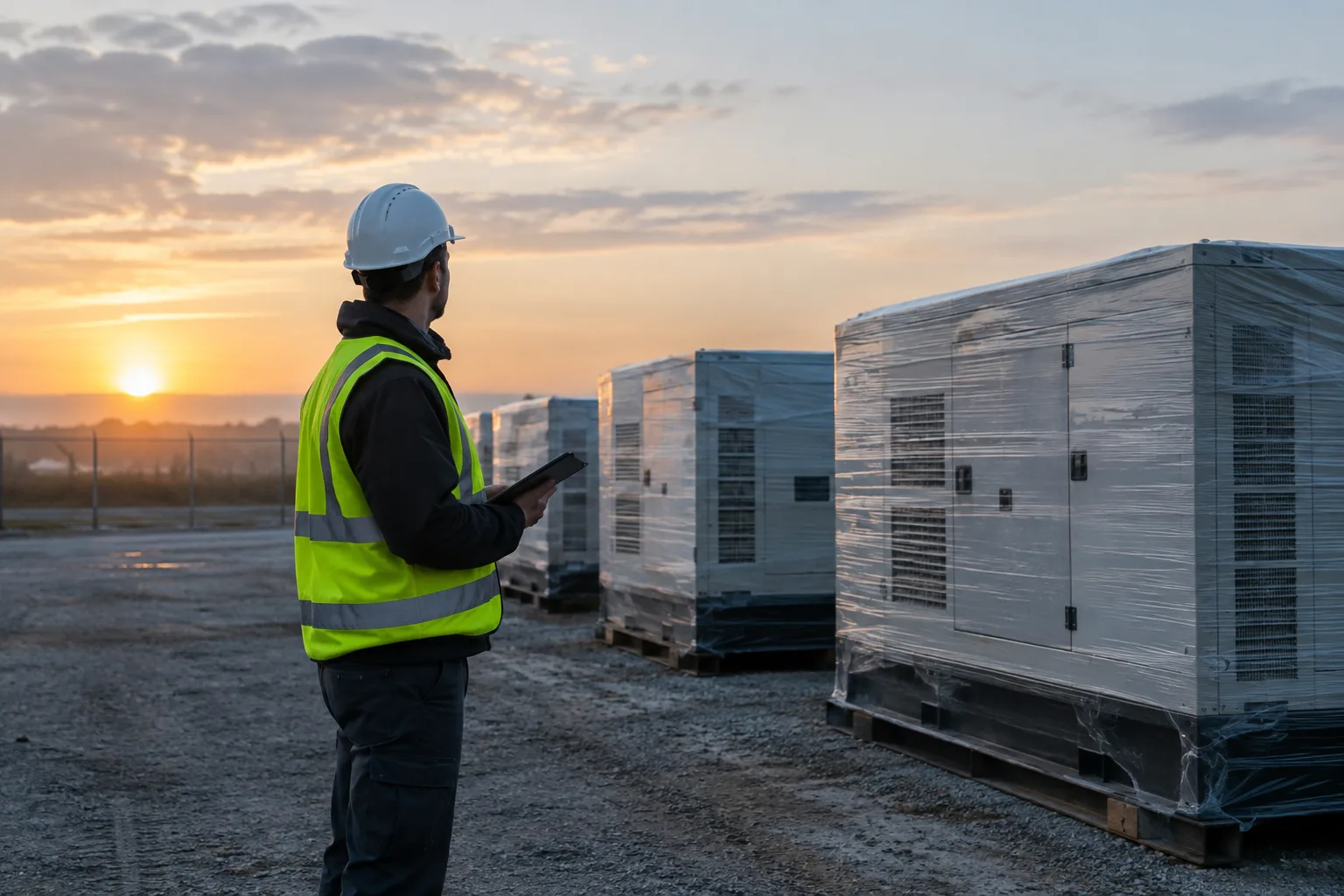

Anthropic has reportedly committed about $3.4 billion for 1.7 gigawatts of heavy-duty gas-fired generators from OnePWR Solutions, a San Antonio-based equipment supplier, in a late-September transaction the Financial Times described and Reuters reported. The significance is larger than one procurement headline. It shows the AI buildout pushing beyond chips and cloud leases into a harder constraint: who can secure actual power hardware fast enough to turn planned data centers into usable compute.
The real question is whether that commitment creates a lasting competitive advantage or simply relocates the bottleneck. The most credible answer is both. Reserving generation equipment can buy schedule certainty in a market pinched by interconnection queues, transmission work and equipment backlogs. But it does not by itself deliver electricity. It pushes Anthropic deeper into the utility business, with all the fuel, permitting, maintenance and financing risk that comes with it.
What the commitment buys
What is known is narrow but important. Reuters, citing the FT, said Anthropic agreed to spend about $3.4 billion on commitments for 1.7 GW of gas-fired generators, and the FT characterized it as the largest known single purchase of power-generation equipment by an AI lab. Anthropic and OnePWR declined to comment, so the contract form, delivery schedule and deployment plan are not public.
That distinction matters. A procurement commitment is not the same as 1.7 GW already installed, producing power or connected to a particular Anthropic campus. In AI infrastructure, generation equipment is only one dependency among several: land, buildings, cooling, gas supply, air permits, grid coordination, transmission upgrades and local acceptance can each determine whether a project actually energizes on time.
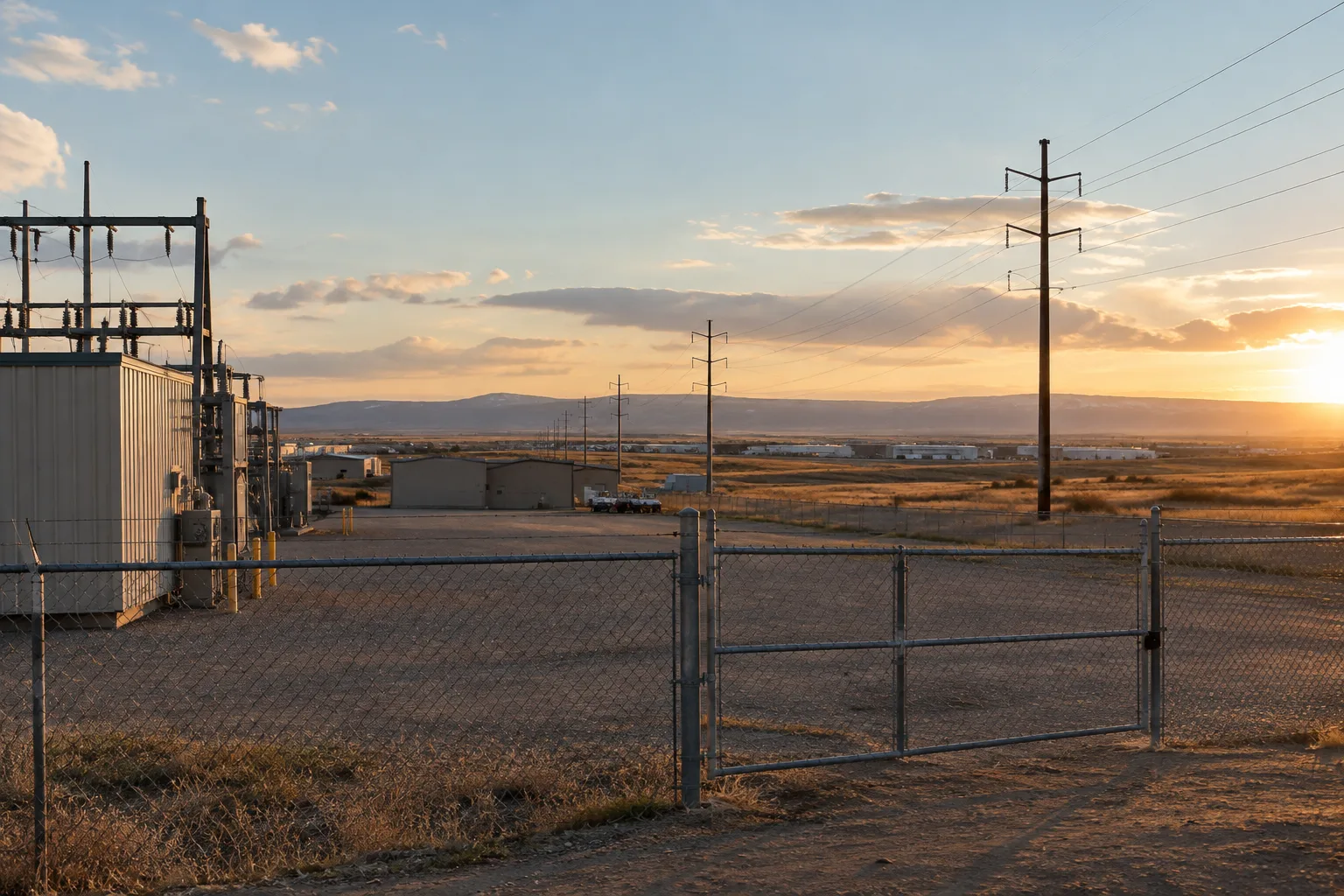
Still, securing the machines can matter because power equipment itself has become scarce. A data-center developer stuck behind utility timelines may be able to move faster if on-site generation is feasible. Even where grid service eventually arrives, dedicated generation can provide resilience or bridge capacity. In that sense, the reported deal looks like a hedge against the slowest-moving part of the AI buildout.
Why power control could become a compute advantage
Anthropic’s own filings suggest this is not a one-off experiment. In its amended S-1/A filing, the company says it faces intense competition for electrical supply and data-center sites, and that some planned facilities rely on dedicated on-site natural-gas generation. The filing also lays out the tradeoff plainly: on-site gas exposes Anthropic to fuel-price volatility and supply disruptions, with some costs passed through.
That makes the strategic logic easier to see. A frontier AI lab that reserves generators is not just buying hardware; it is trying to lock in a scarce input before rivals do. If power equipment, like advanced chips before it, becomes something companies must reserve well ahead of need, then control of generation could shape where models are trained, which campuses get built and which cloud or colocation partners hold the stronger negotiating position.
The financing dimension is just as important. Anthropic’s filing says it had approximately $895.4 billion of aggregate committed spend as of and subsequent to Sept. 30, substantially related to compute and infrastructure, with about $69.8 billion expected in the following 12 months, while also noting that commitments can carry conditions or termination rights. Whatever the exact structure of the reported generator deal, it fits a broader pattern: the company is taking on very large, long-dated infrastructure exposure in pursuit of compute capacity.
Anthropic had already signaled that direction in a February public statement, saying it would cover electricity-price increases caused by its data centers and bring net-new generation online to match its needs. The reported OnePWR commitment would be a concrete step toward that model. It makes the AI supply chain look less like a pure software business and more like an integrated energy-and-compute operation.
The bottleneck may just move downstream
The counterargument is not that the power crunch is imaginary. It is that direct generation can trade one form of scarcity for several new execution risks.
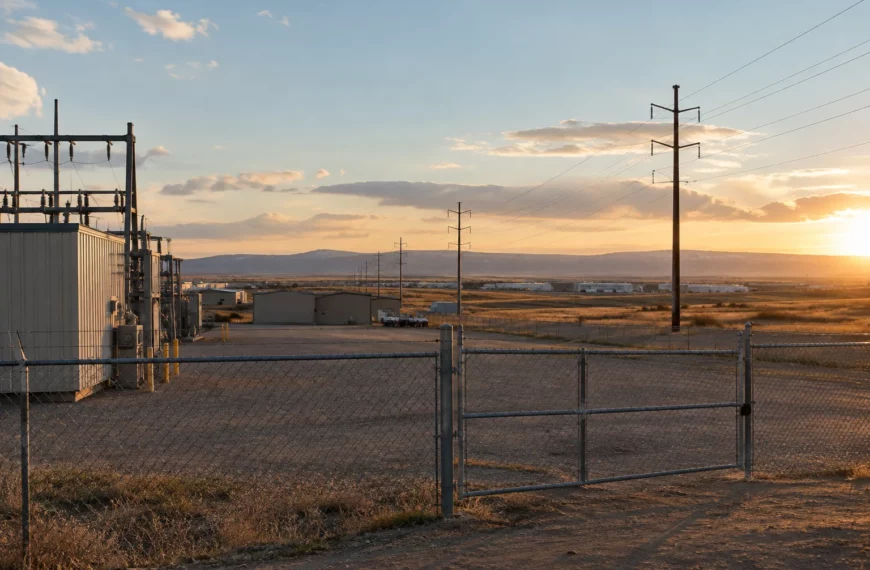
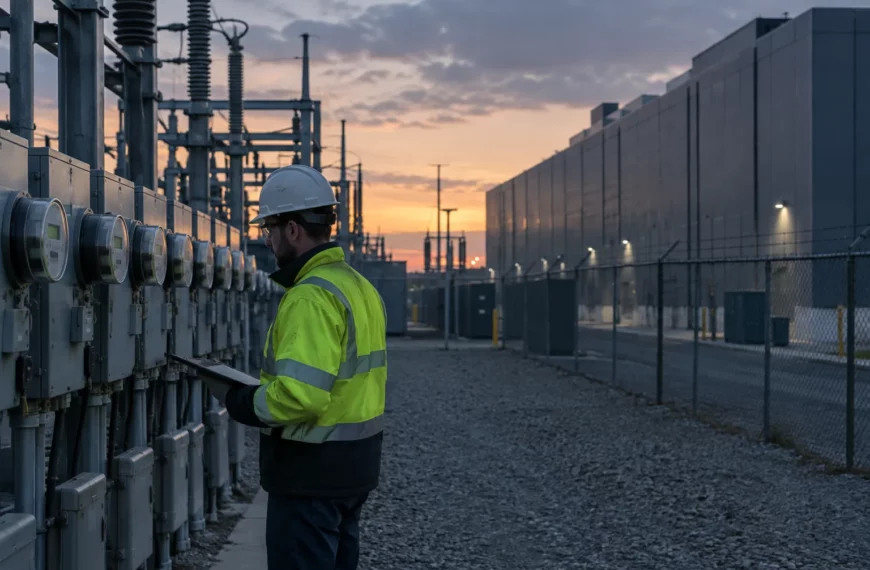
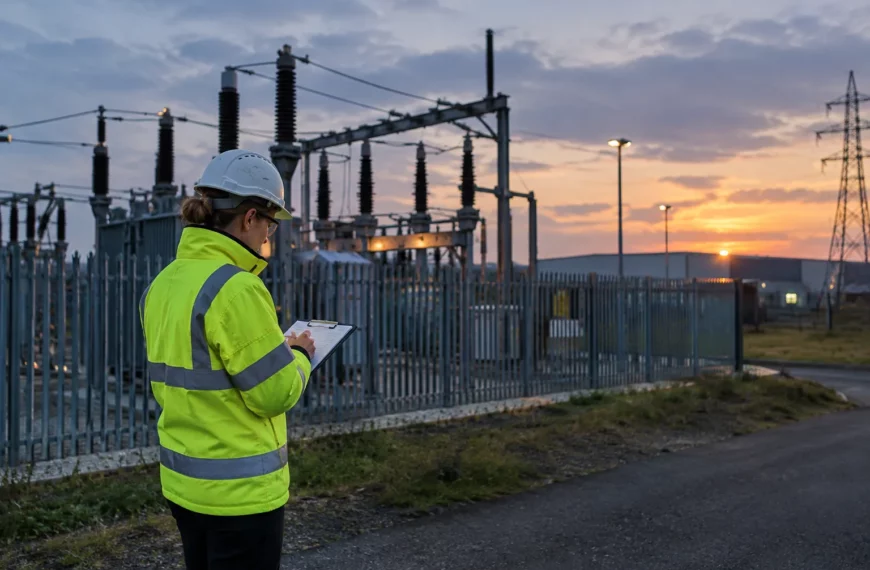
Gas-fired equipment still needs fuel contracts, emissions controls, permits, operations staff and maintenance. Communities and regulators will care about air quality, noise, water use, truck traffic and what commitments are made if the facilities run for years rather than as short-term bridges. Utilities will still matter because even on-site plants typically intersect with grid reliability, interconnection or transmission planning. And if model demand, financing conditions or data-center designs change, a large equipment reservation can become an expensive mismatch rather than a moat.
This is why the most useful diligence questions are operational, not symbolic:
- Where will the generators sit, and who controls the land, gas service and interconnection?
- Is the commitment an outright purchase, a lease, a capacity reservation or something more conditional?
- What permits, emissions controls and community agreements are required before the equipment can run?
- Who bears fuel-price risk, maintenance costs and any carbon-related costs over time?
- How do the economics compare with utility supply, power-purchase agreements, nuclear options, renewables paired with storage or simply renting more cloud capacity?
Those questions matter to more than Anthropic. Data-center landlords may find that powered sites become more valuable than generic land. Utilities could face customers that want less patience and more bespoke arrangements. Equipment makers and fuel suppliers may gain bargaining power if AI labs begin reserving machines at scale. Investors, meanwhile, have to decide whether these commitments are building defensible capacity or loading balance sheets with utility-style risk.
The clearest read on the reported deal is that Anthropic may have bought something very valuable: a place in line for megawatts in a market where delay can cost more than hardware. But reserving generators is only a durable advantage if it turns into permitted, fuel-secure, financeable power that actually supports reliable compute. Until those pieces are visible, the commitment looks less like solved electricity and more like an expensive attempt to keep power scarcity from dictating the pace of AI growth.
 By

 By

 By
 By

 By

 By


 By

 By