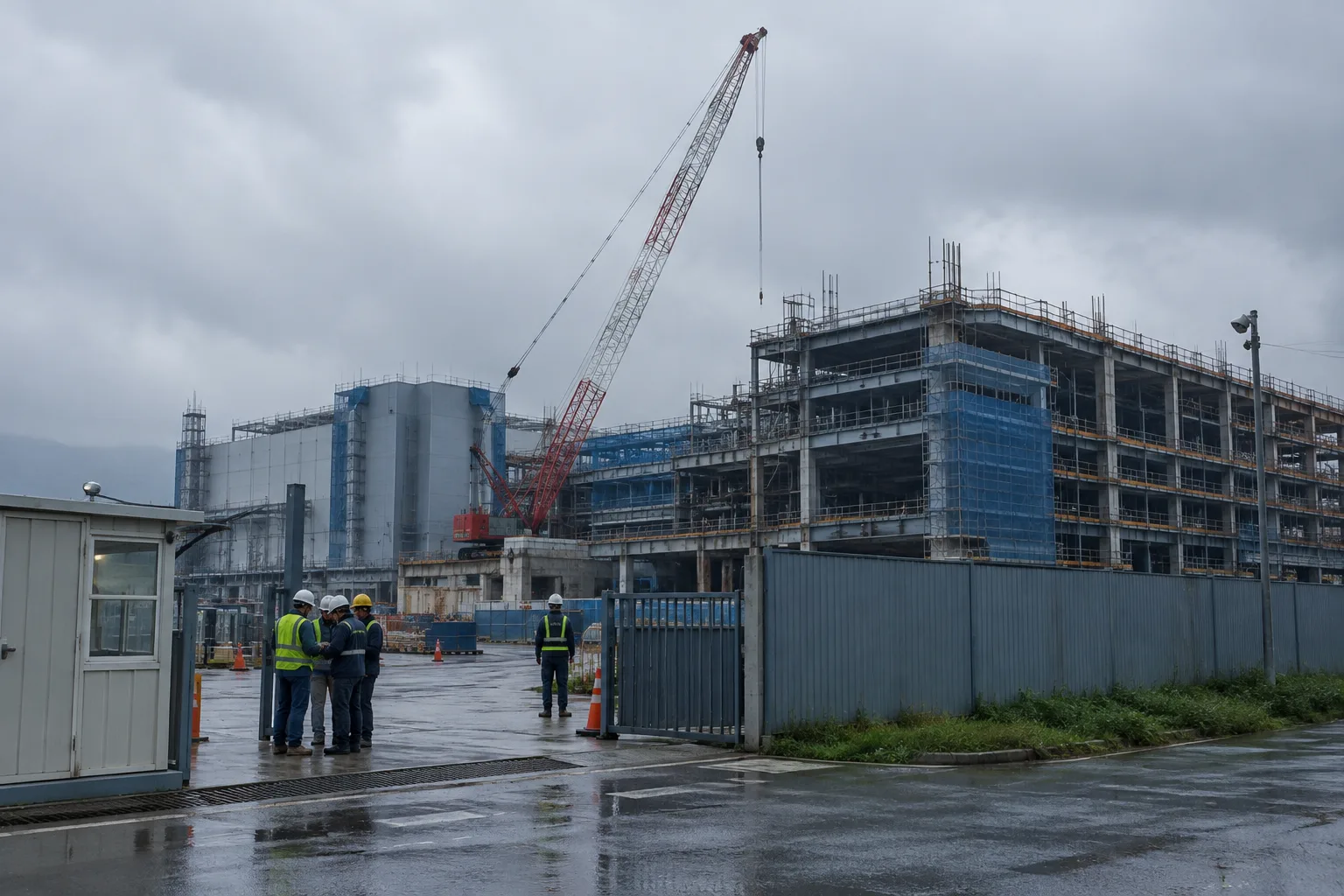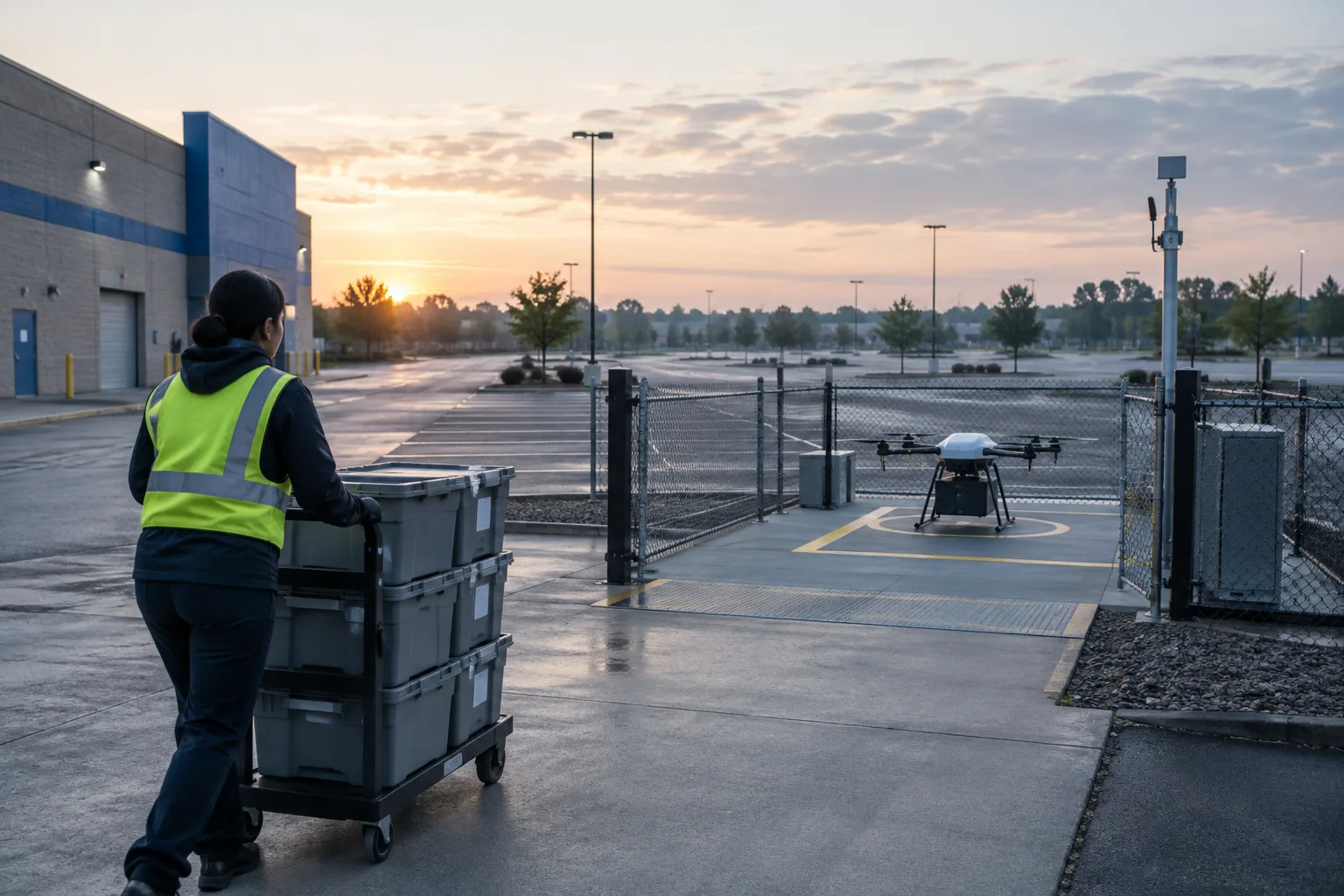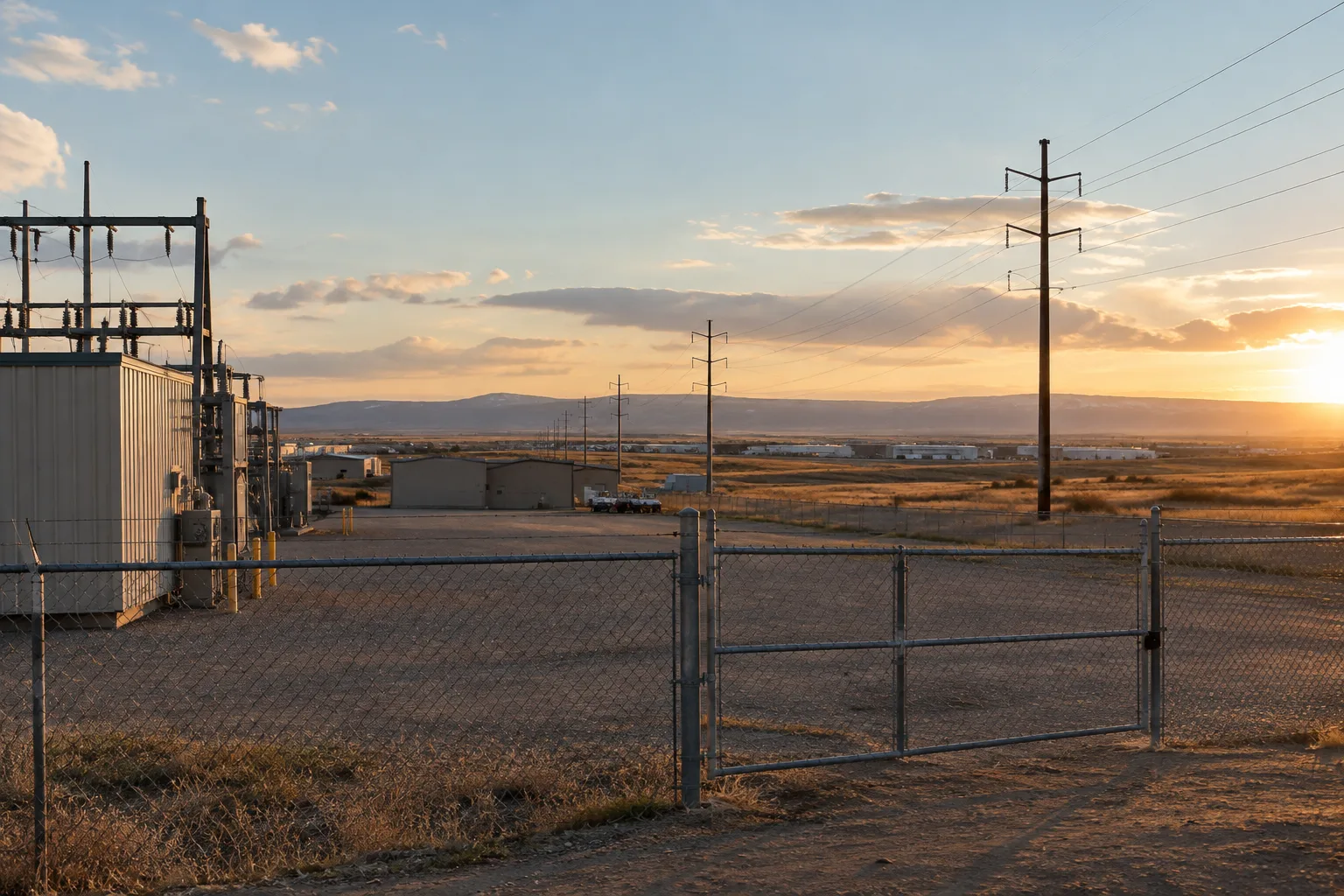

Google’s Nov. 5, 2026 announcement of its first Wyoming data center is bigger than a site-selection win. The company said it plans a long-term $17 billion investment in the Cheyenne and Laramie County area with Tallgrass Energy, Black Hills Energy, American Electric Power and Related Digital, built around a planned 702-megawatt fuel-cell development tied to carbon capture and storage, air cooling, and local tax and workforce commitments. For the cloud market, that makes Wyoming less a routine campus launch than a live test of whether AI capacity can be unlocked by packaging compute, power, carbon management and local politics into one project.
The practical question is whether that package solves the right problem. Google’s design directly targets two of the sector’s biggest headaches — power delays and water conflict — but it only works as an operating model if gas supply, carbon storage, permitting and community agreements keep pace. Otherwise the bottleneck moves rather than disappears.
Three clocks have to line up
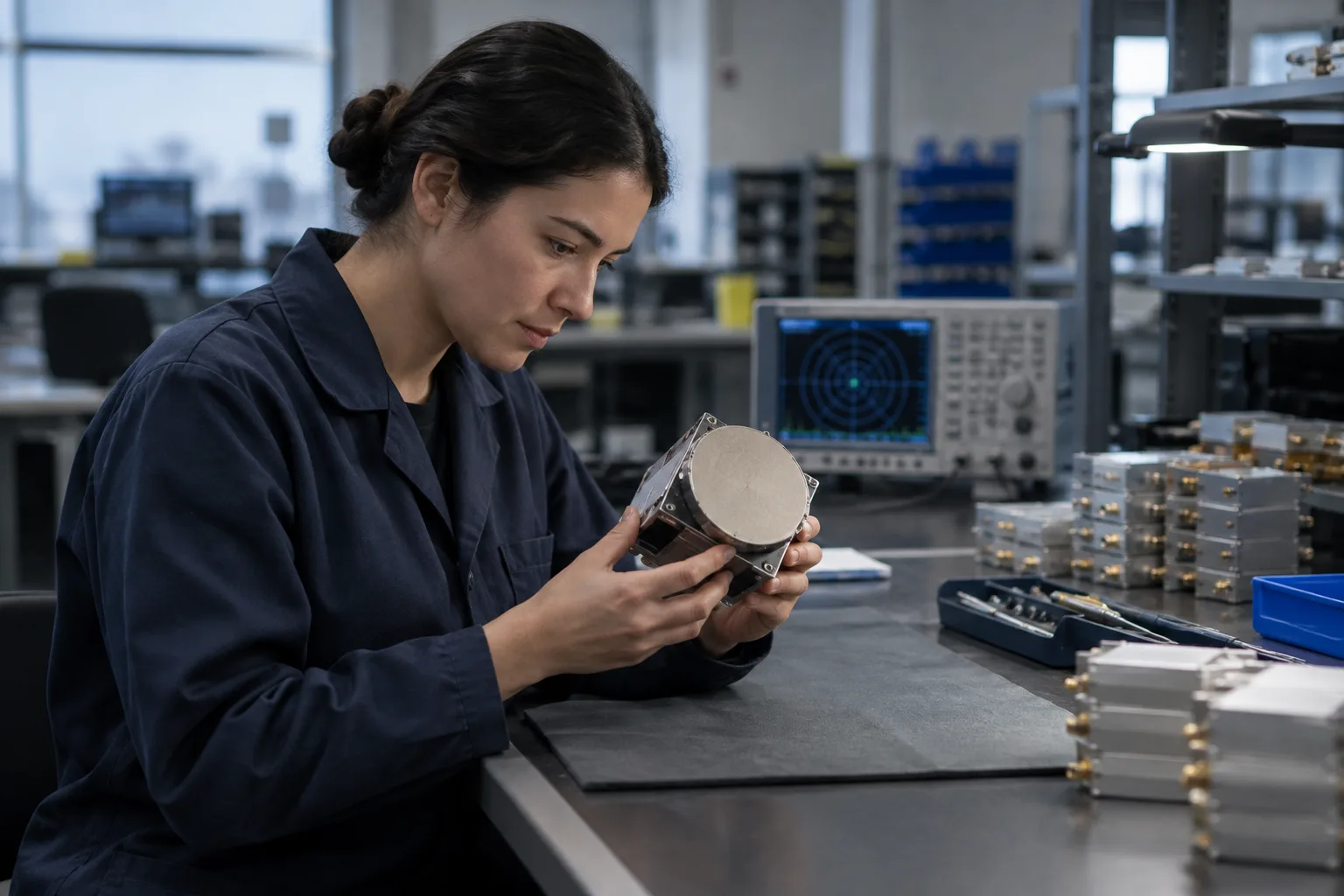
The first clock is electricity. Google said in its announcement that AEP has contracted for a 702 MW commercial-scale fuel-cell development using natural gas and carbon capture and storage, with Bloom Energy manufacturing the fuel cells in the United States. Google also plans to source power from gas generators operated by Tallgrass and Black Hills, and says Tallgrass is studying CCS for combined-cycle turbines.
That approach is a notable break from the familiar data-center script, in which a building is effectively waiting on grid capacity. Large AI campuses increasingly rise or fall on how fast utilities can deliver dependable power, not on how quickly a developer can pour concrete. A project that arrives with near-site generation could reduce dependence on a constrained interconnection and make a site viable earlier.
But the power story is still incomplete. Google has not disclosed whether 702 MW is nameplate generation, firm deliverable capacity, or the facility’s net IT requirement. It has not published an operating date, a construction schedule, a building count, annual electricity consumption, or a backup-power design. So the announcement describes an intended power architecture, not a finished capacity block a cloud customer can treat as already available.
The second clock is carbon and water infrastructure. Google says Tallgrass will capture and permanently store a large majority of the associated carbon at the nearby Eastern Wyoming Sequestration Hub. It also says its contracted CCS capacity, including an earlier U.S. project, would total nearly 1 GW. Strategically, that matters because Google is not waiting for the surrounding grid to decarbonize on its timetable; it is trying to pair dispatchable power with on-purpose emissions control.
Still, this is a natural-gas system with CCS, not a renewable or automatically zero-carbon facility. Google has not published a project-specific capture rate, residual-emissions figure, lifecycle analysis, monitoring plan or independent verification of planned performance. CCS also adds its own schedule and risk: compression, pipelines, storage, monitoring, permitting and long-term liability all have to work in sequence.
Why Wyoming could say yes
The third clock is political approval, and this is where timing becomes part of the story. As Reuters reported, the project was unveiled just after a midterm cycle in which all but one of 41 data-center-related ballot measures went against data centers, according to Ballotpedia. The Associated Press separately reported that restrictions passed in 44 of 45 local referendums tracked by Redbud Consulting where counting was complete, while about three-quarters of U.S. voters opposed a new data center in their own community. Wyoming, though, was among the states with higher support.
Google is trying to turn that relative openness into a durable local bargain. It says it will pay for 100 percent of the power it uses and directly cover infrastructure needs driven by its growth. It expects hundreds of millions of dollars in local property taxes for Laramie County and School District 1, and it has paired the project with K-12 grants, entrepreneurship programs, skilled-trades training and a Community Council. Google also says it has met with local and state stakeholders and held a Cheyenne meeting attended by more than 200 Laramie County residents.
This matters because opposition is often less about the existence of a data center than about who bears the cost and the risk. A project can bring construction work and future tax revenue while also increasing demands on roads, emergency services, housing, power systems and water. Air cooling is part of the political design as much as the engineering one: in a place where water use can become a proxy for broader distrust, reducing on-site cooling demand may remove one of the fastest ways a project loses local consent.
But the community case is not yet fully locked down. Google has not published a signed community-benefit agreement, a permanent jobs count, a tax-payment timetable or clear rules for how the Community Council will make decisions. For county officials, school districts and residents, the difference between projected benefits and contractual obligations is likely to determine how resilient support remains once permitting becomes concrete.
The model’s promise depends on what happens when something slips
The deepest question is not whether Google can announce an ambitious campus. It is whether this architecture still works when one piece falls behind the others.
If grid upgrades lag, near-site generation could be a real advantage. If CCS permitting or storage development lags, the project could hit a different choke point. If air cooling reduces on-site water use but carries a cooling-energy penalty, the full tradeoff will depend on figures Google has not released, including annual water use and power-use effectiveness. If gas supply, backup requirements or transport infrastructure become more expensive than expected, the economics change again.
That is why this project matters beyond Wyoming. For utilities, it suggests hyperscalers may increasingly arrive with bundled generation, sequestration and community packages instead of a simple load request. For fuel-cell and carbon-capture companies, it is a chance to prove they can support AI-grade reliability, not just demonstration-scale ambition. For local governments and residents, it is a test of whether lower water pressure and visible tax commitments can offset concern about industrial growth tied to fossil infrastructure.
What to watch next is mundane but decisive: permit filings, interconnection documents, tax and infrastructure agreements, a construction schedule, and measured CCS performance once equipment is operating. Those details will show whether Google has found a repeatable way to turn scarce grid capacity and rising political resistance into buildable AI infrastructure, or whether it has mainly shifted the queue from transmission lines to gas infrastructure, sequestration wells and county meeting rooms.

 By
 By
 By


 By

 By

 By