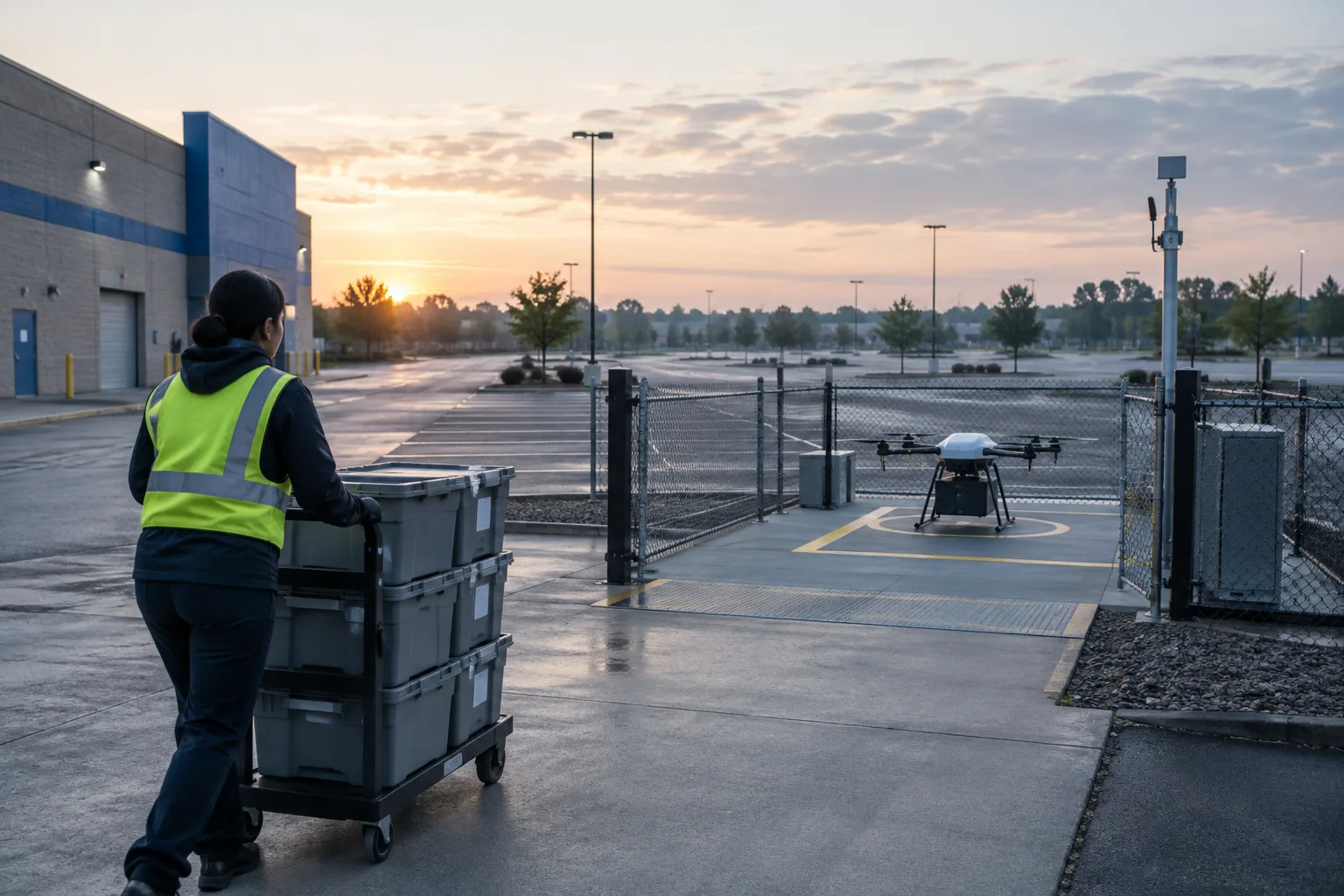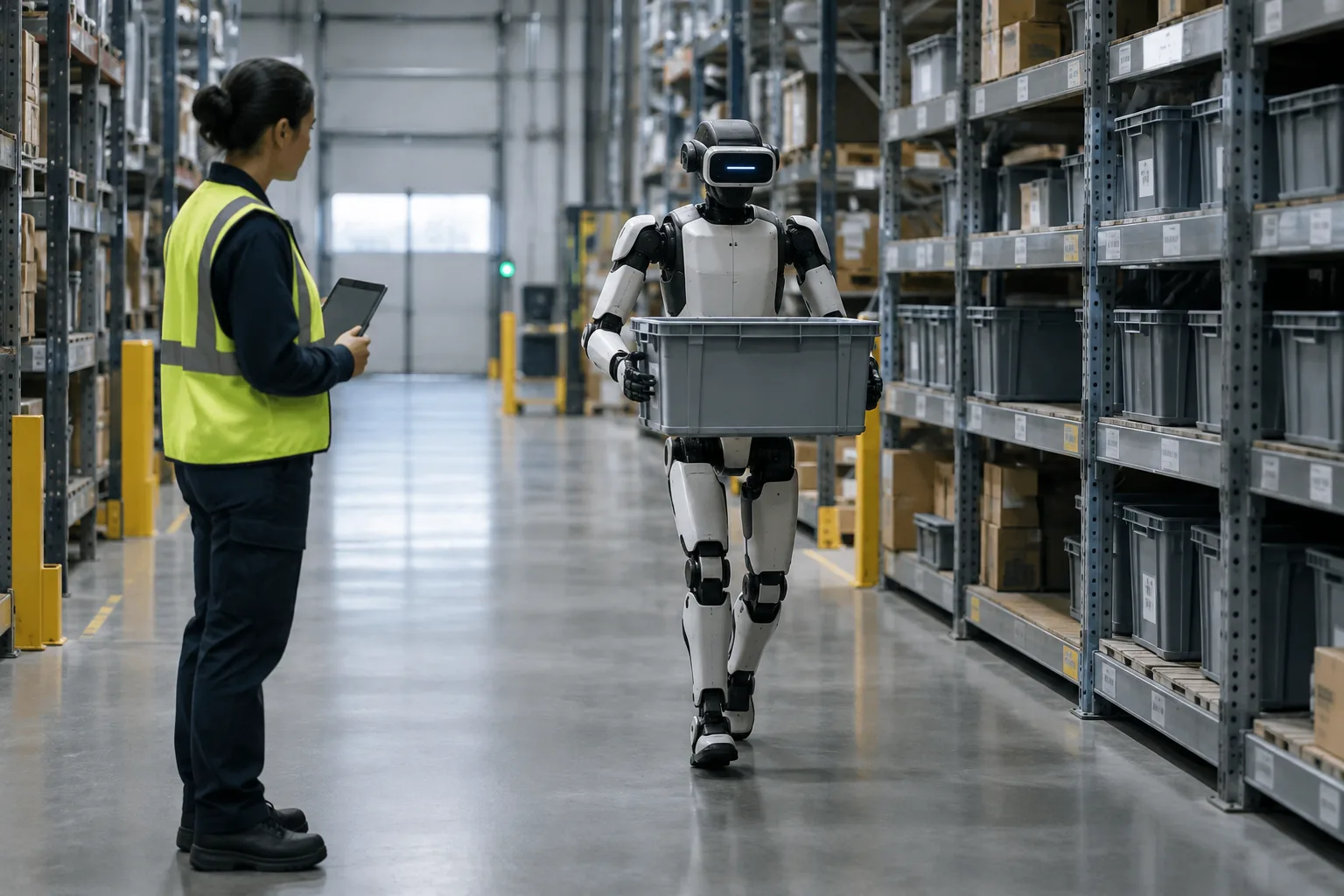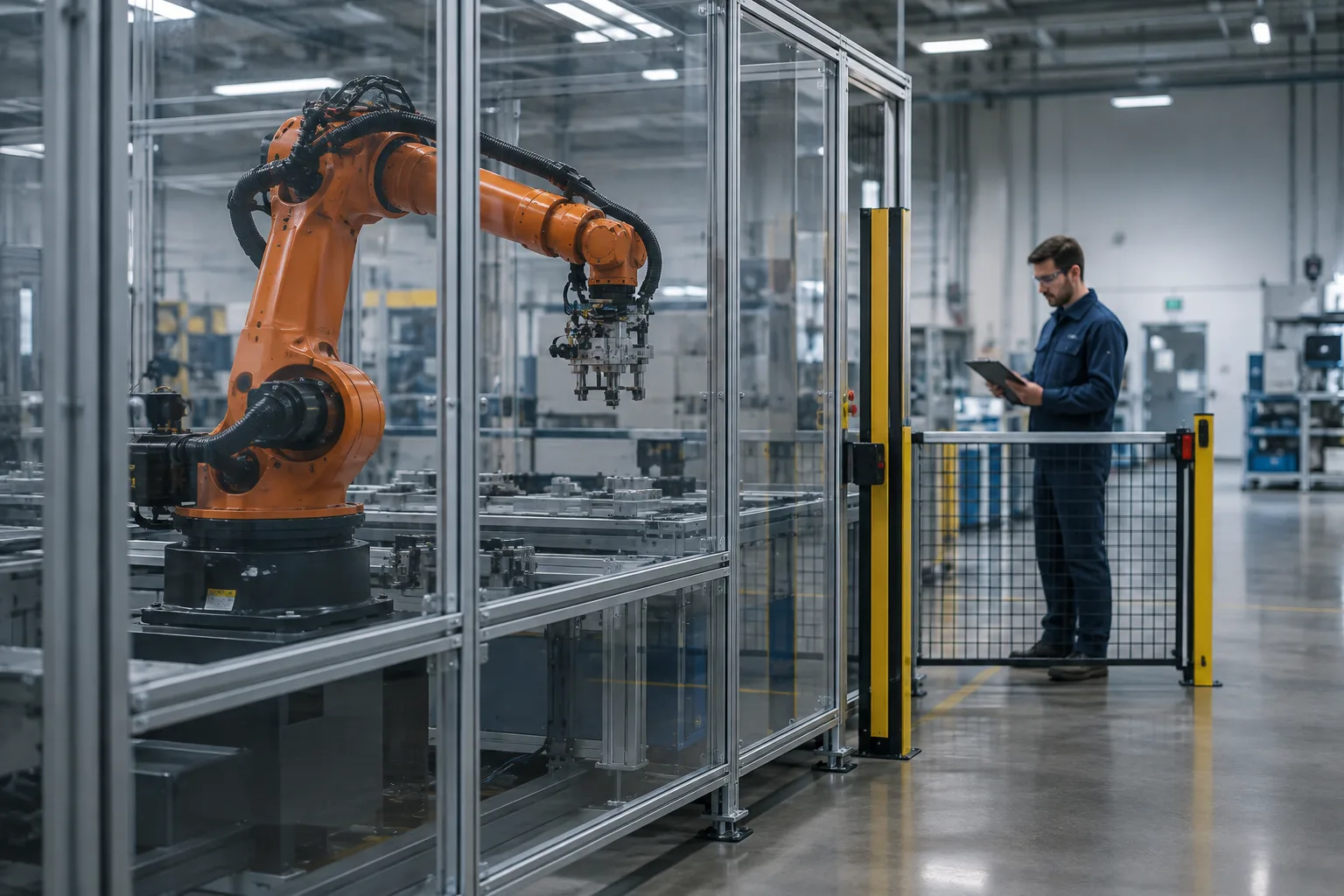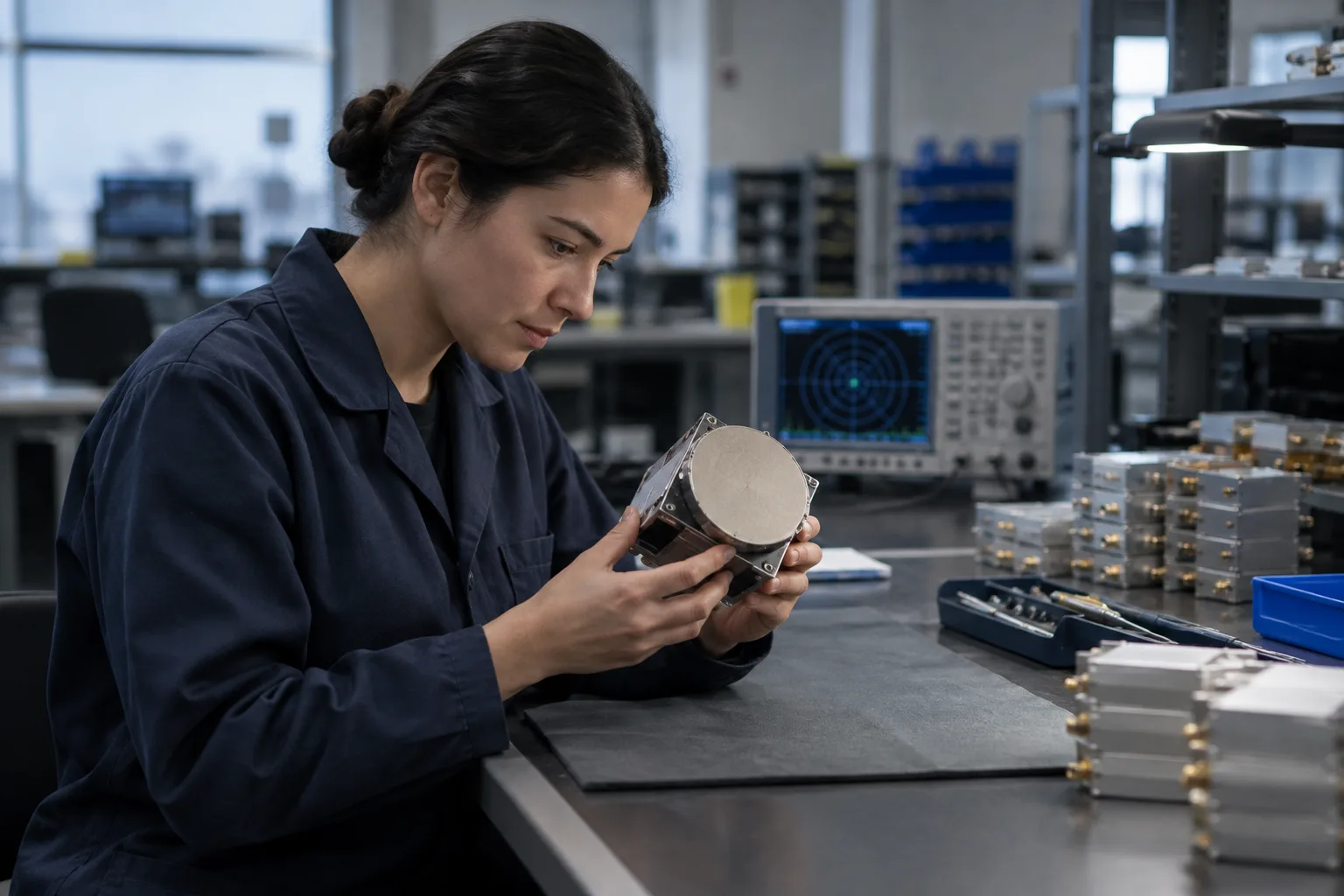

Shield has signed a definitive agreement to acquire Echodyne in a transaction valued at $5.3 billion, while raising another $2.5 billion to support the deal. That pairing matters more than the headline alone. It would give Shield a counter-drone radar business to sit alongside its autonomy software, simulation tools, autonomous aircraft, and mission-systems operations—effectively buying a critical sensing layer and the factory capacity behind it at the same time.
The real question is not whether radar is important. It is whether putting radar, autonomy, aircraft, and manufacturing into one private defense-tech platform creates a meaningfully stronger counter-drone stack, or simply concentrates execution and financing risk before the promised integration is proven.
According to Echodyne’s announcement, $4.8 billion of the transaction value would be paid or issued at closing, with up to $500 million more tied to performance targets. The deal is expected to close in early 2027, subject to regulatory approvals and other customary conditions. Shield’s accompanying financing package includes a $1 billion Series H at a $28.8 billion post-money valuation, a $1 billion structured-equity investment from funds managed by Blackstone, and $500 million of debt financing led by JPMorgan Chase.
That makes this less a simple acquisition than a vertical-integration bet with a capital-markets test embedded inside it.
Why radar changes the stack
Counter-drone systems only work if the first step works. Before software can classify a track or an operator can decide on a response, something has to find and follow the object in messy real airspace. That is where Echodyne fits.
The company designs and manufactures compact solid-state radars built on its Metamaterials Electronically Scanned Array, or MESA, technology. Echodyne says those radars are integrated into hundreds of counter-drone and security systems used by defense, government, and commercial customers in more than 40 countries. Their job is persistent detection and tracking: spotting drones, maintaining a track, and cueing the next layer in the chain, whether that is an interceptor, a remote weapon station, a high-energy laser, a high-power microwave system, or a human operator.
That does not mean radar alone defeats a drone. Detection in cluttered environments can still be hard, false positives still matter, and cueing a countermeasure is not the same thing as achieving a successful intercept. But owning the sensing layer can make the rest of Shield’s portfolio more useful. Shield already brings Hivemind autonomy software, Aechelon simulation, and the V-BAT and X-BAT autonomous aircraft. Put together, the companies are arguing for a single mission stack: radar sees, software interprets, and an aircraft, operator, or effector responds.
That combination fits a broader shift in defense technology away from isolated drones or isolated AI tools and toward integrated mission systems. Customers are not buying abstractions. They care about detection range, latency, interoperability, export controls, maintenance, and performance when GPS or communications degrade. A supplier that can offer more of that chain may simplify procurement and reduce integration work for the buyer.
Echodyne also brings industrial weight. In September, it said it received a contract with a ceiling of $250 million from Joint Interagency Task Force 401 to supply counter-drone radar to U.S. and allied forces. More recently, it opened an 86,350-square-foot manufacturing facility in Kirkland, Washington, a $40 million investment that the company says can produce about 30,000 radars per year. Those facts show demand and production intent. They do not, on their own, establish realized revenue, margins, or factory utilization.
The financing is part of the story, not background
The acquisition price will attract attention, but the financing may be the sharper signal. Shield is not just buying a radar company; it is asking investors and lenders to underwrite the idea that a larger, more vertically integrated defense-tech platform can convert demand into repeatable production and profitable contracts.
A $28.8 billion post-money valuation for the Series H, combined with $1 billion of structured equity and $500 million of debt, creates expectations about future scale before the combined company has disclosed public-company financial statements. The structured-equity and debt pieces also mean the capital stack matters. They can broaden the financing base and help close a large transaction, but they also introduce terms, covenants, and return expectations that have not been publicly detailed.
That is why the $5.3 billion figure should be read carefully. Not all of it arrives at closing, and not all of it is guaranteed. Up to $500 million depends on performance targets whose precise terms were not disclosed. Nor has the announcement laid out the exact cash-versus-equity mix at closing.
The growth narrative is similarly promising but incomplete. The companies say both expect triple-digit revenue growth in fiscal 2026. That is a notable claim, especially in a market where governments and critical-infrastructure buyers want faster fielding of counter-drone systems. But the public materials do not break out how much of that growth is already contracted, how much is forecast, or what customer concentration and gross margins look like underneath it.
What buyers and investors should watch next
The strongest case for the deal is practical: better sensing could make Shield’s autonomy systems more dependable in contested or cluttered airspace, while a larger platform could help Echodyne scale manufacturing and reach more programs. After closing, Echodyne’s team is expected to remain in place, its MESA radars are expected to remain available as standalone products, and CEO Eben Frankenberg is expected to report to Shield CEO Gary Steele. That helps preserve continuity and may reassure customers that do not want to be forced into a single bundled architecture.
But that modularity will be one of the first things to test. Defense buyers, airports, utilities, stadium operators, and security integrators may welcome a broader supplier if it lowers integration friction. They may be more cautious if it narrows independent component choices or creates dependence on one vendor for sensing, software, aircraft, and support.
The best scorecard after closing will be operational, not rhetorical. Does the combined stack improve detection, tracking, identification, and response time without driving up false alarms? Does it interoperate cleanly with third-party systems? Can the Kirkland facility produce at meaningful scale rather than simply advertise capacity? Do customers continue buying radar as a standalone product, or are they nudged into a fuller Shield bundle? And do follow-on contract awards show repeatability across military and civilian settings?
Until those answers arrive, this remains a proposed combination, not a proved mission stack. If Shield can show that owning the sensor and manufacturing layers makes autonomy more dependable in real airspace, the deal will look like a timely consolidation of physical AI. If not, it will stand as a costly reminder that defense-tech integration stories are easier to finance than to operationalize.
 By
 By

 By



 By