
Europe’s nuclear cooling constraint becomes a climate stress test
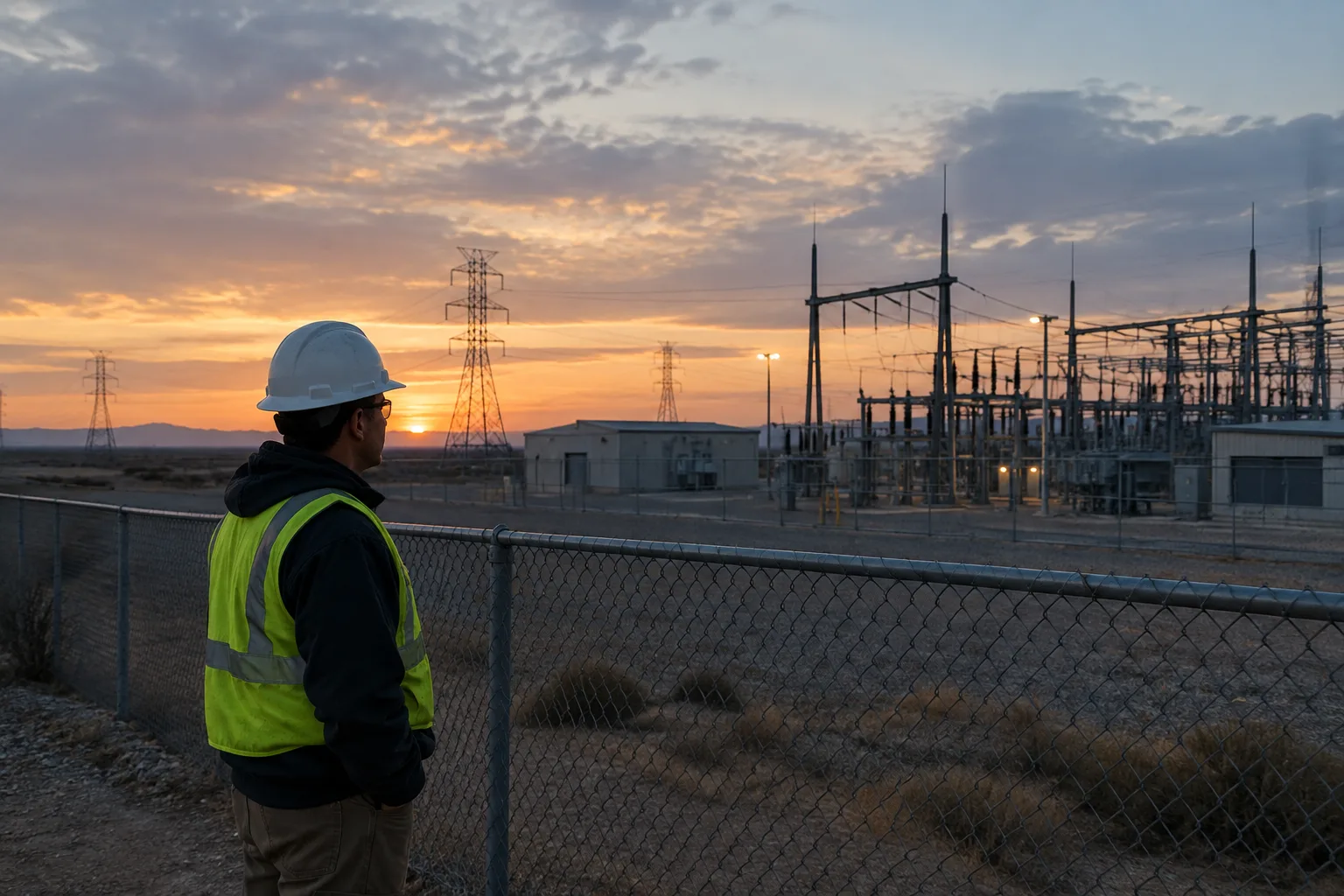
A new vulnerability is moving from the margins of energy planning to the center of Europe’s power-security debate: the physical availability of cool water. Across the continent’s established nuclear fleet, extreme heat and historically low river levels are colliding with the operational reality that most reactors—especially pressurized-water reactors (PWRs) and boiling-water reactors (BWRs)—depend on large, reliable volumes of water to condense steam and remove waste heat.
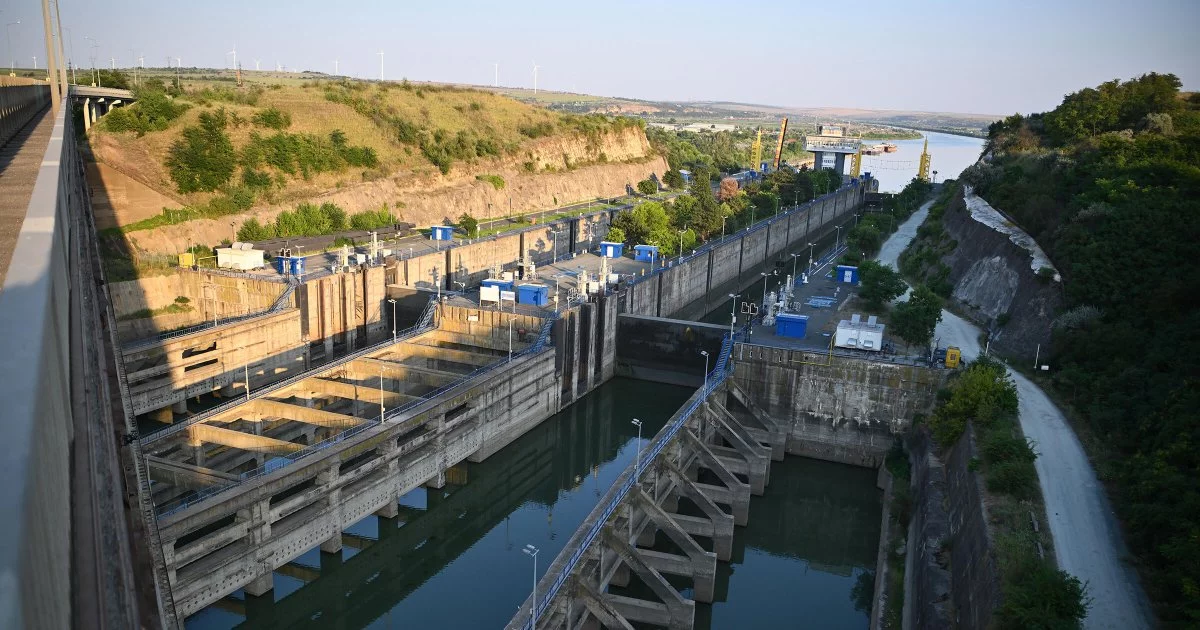
The Danube has become the most visible fault line. In Hungary, the Paks nuclear power plant, which supplies nearly half of national electricity, faces potential curtailment as flows drop to levels that threaten cooling margins. The response—dispatching engineers to dump rock into the riverbed to slow currents and conserve upstream volumes—reads like emergency hydrology, but it is also an implicit admission: legacy baseload assets are increasingly exposed to climate-driven water volatility.
Romania’s situation underscores the same point with a different toolset. With shortfalls threatening cooling for the last operating reactor, the country has reportedly turned to controlled blasts to redirect Danube water. Meanwhile, France—often treated as Europe’s nuclear anchor—faces a dual constraint: drought-driven thermal discharge limits and an operational disruption from a jellyfish invasion that has already reduced nuclear output by roughly 20%. These are not isolated incidents; they are signals that the “always-on” reputation of nuclear power is being tested by environmental boundary conditions that are changing faster than infrastructure can be retrofitted.
Key operational pressures now shaping nuclear output in Europe include:
- Low river flows that reduce cooling-water intake and raise safety margins
- High intake-water temperatures that degrade cooling efficiency
- Environmental discharge limits that restrict how warm returned water can be
- Biological and debris events (e.g., jellyfish blooms) that impair intake systems
- Competing water demands across agriculture, municipalities, shipping, and ecosystems
The water–energy nexus is rewriting nuclear economics and power-market behavior
When nuclear output falls in summer—precisely when heat boosts electricity demand for cooling—markets feel it immediately. Nuclear is typically priced and planned as low-marginal-cost baseload; when it is forced to throttle back, the replacement stack often shifts toward higher-cost, higher-emissions generation, at least in the short run.
That dynamic has several knock-on effects that matter for business, policy, and investors:
- Spot power prices rise as scarcity premiums appear, particularly during heatwaves when demand peaks and thermal plants face their own constraints.
- Gas peakers and, in some jurisdictions, coal can regain dispatch share, complicating carbon-price trajectories and emissions targets even where long-term policy remains pro-decarbonization.
- Utilities absorb higher balancing costs, whether through emergency procurement, redispatch, or accelerated use of storage—costs that can land on balance sheets already strained by financing conditions and capital-intensive transition plans.
- Asset-level climate risk becomes financial risk: water dependence is no longer an abstract ESG line item but a measurable operational constraint that can affect capacity factors, revenues, and maintenance cycles.
The broader implication is that Europe’s low-carbon strategy is confronting a paradox: nuclear power remains a critical decarbonization tool, yet its current fleet architecture can be water-intensive and climate-sensitive. That tension is likely to influence everything from capacity-market design to how rating agencies and lenders model downside scenarios for thermal generation portfolios.
For investors and grid planners, the most important reframing may be this: resilience is becoming a capacity attribute, not a public-relations slogan. Technologies and assets that can deliver power through heat and drought—without leaning on scarce freshwater—will increasingly command a premium in both policy support and capital allocation.
Innovation priorities: from water-resilient reactor designs to AI-driven hydrology operations
The immediate operational fixes—riverbed engineering, diversion measures, temporary curtailments—are tactical. The strategic response points toward a redesign of the cooling assumption that underpins much of Europe’s nuclear fleet.
Several technology pathways are gaining urgency:
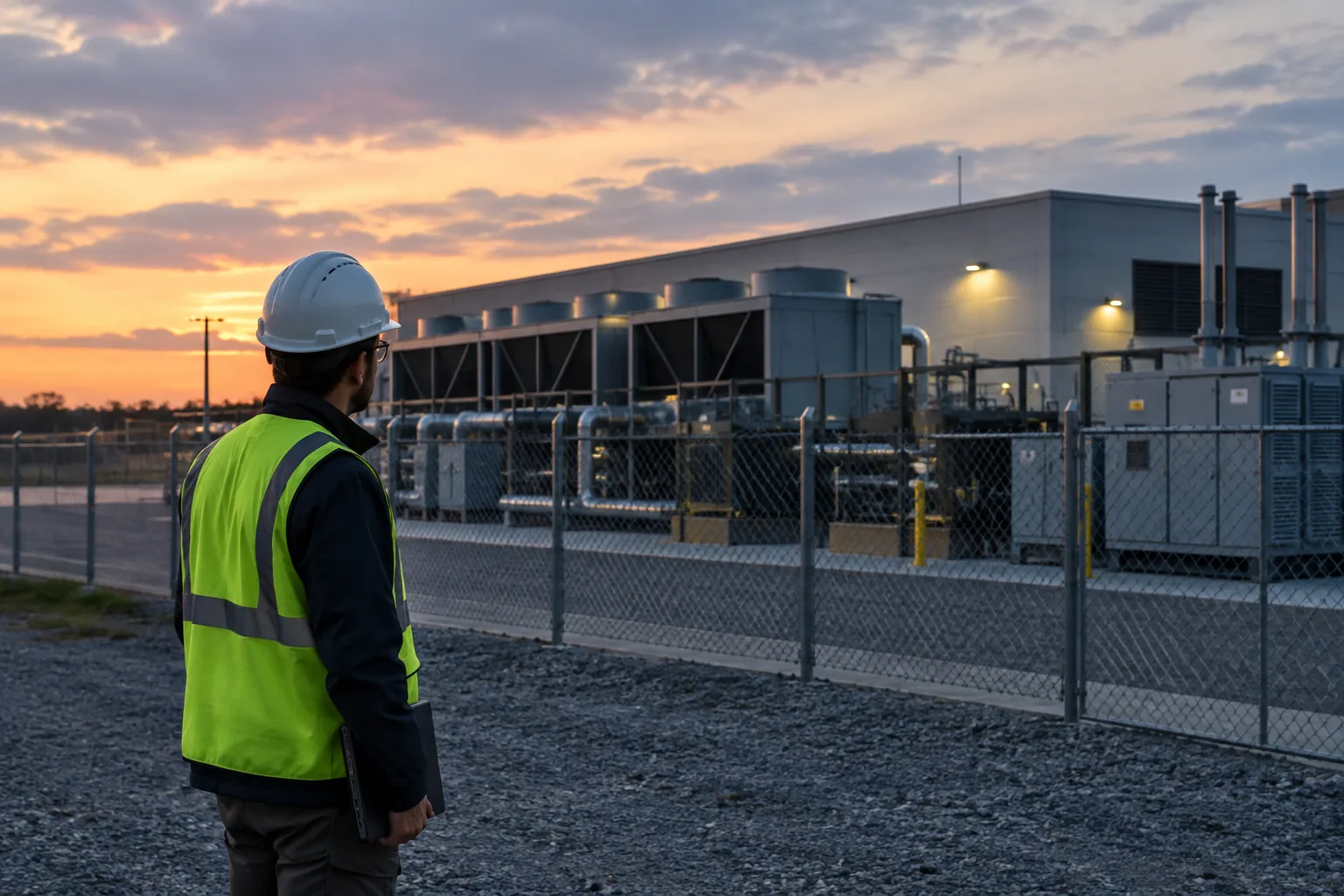
- Advanced modular reactors (AMRs) and next-generation designs that can integrate air-cooled condensers, dry cooling, or hybrid cooling to reduce dependence on riverine intake.
- Closed-cycle systems and reclaimed wastewater cooling, which can shift plants away from direct competition with ecosystems and agriculture during drought conditions.
- Alternative heat-sink concepts, including coastal siting strategies that pair seawater cooling with industrial symbiosis (for example, co-location with desalination or district heat), where feasible and environmentally compliant.
Equally important is the digital layer. The crisis is accelerating interest in digital twins and real-time hydrological modeling integrated into plant operations and grid coordination. Done well, this can move nuclear curtailment from reactive to predictive—triggering earlier throttling, demand-response calls, or storage dispatch before safety margins tighten.
A practical resilience stack is emerging:
- IoT river-level and temperature sensors across critical watersheds
- AI/ML forecasting for flow, temperature, and ecological constraints
- Automated operational thresholds that balance safety, compliance, and market optimization
- Grid-side flexibility (demand response, storage, interconnectors) to absorb nuclear variability without reverting to high-emissions backup
Governance and geopolitics: transboundary rivers now shape energy security
The Danube episodes also expose a governance gap: cross-border water management is now an energy-security instrument. Upstream decisions in one jurisdiction can materially affect downstream nuclear operations, turning river-basin coordination into a strategic necessity rather than a technical courtesy.
This is where EU-level policy architecture—water directives, Energy Union governance, and emergency coordination mechanisms—faces a new test. If heatwaves and droughts become more frequent, Europe will need clear protocols for transboundary water allocation during climate stress, alongside shared data platforms that fuse hydrology forecasts with power-system needs.
Politically, the reputational stakes are high. Nuclear power’s appeal has long rested on reliability and low-carbon output. Visible curtailments—especially when paired with unusual disruptions like marine-life intake events—risk reshaping public perception and complicating the case for new builds unless the industry can credibly demonstrate water-resilient designs, transparent risk governance, and system-level redundancy.
What is unfolding along the Danube and across France is not merely an operational anomaly; it is a live demonstration that climate adaptation is now inseparable from energy strategy—and that Europe’s decarbonization pathway will be judged not only by how clean it is, but by how reliably it performs under heat, drought, and the hard limits of the natural systems it depends on.

 By
By
 By
By





 By
By