
A caregiver’s lived reality exposes the hidden operating system of long-term care
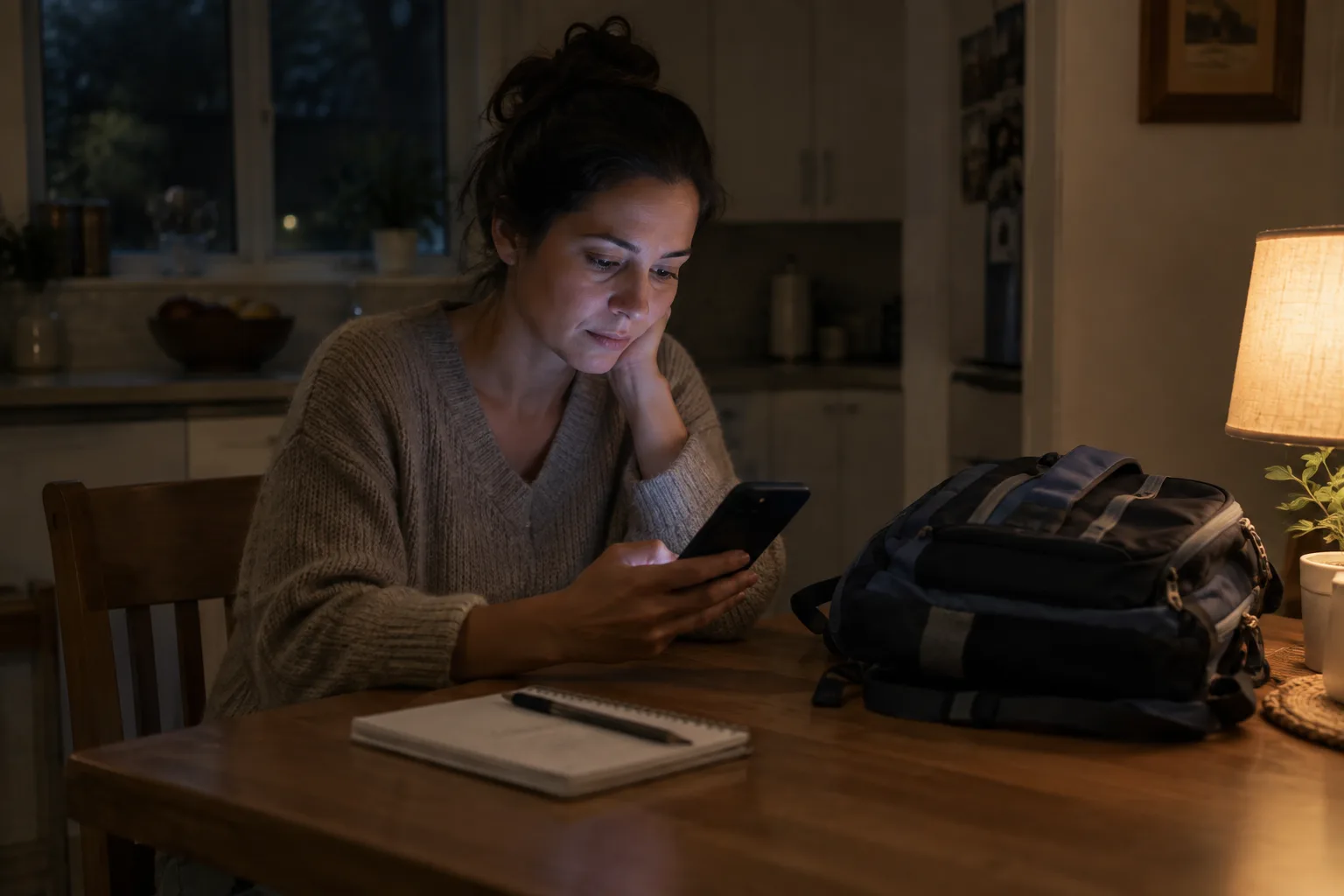
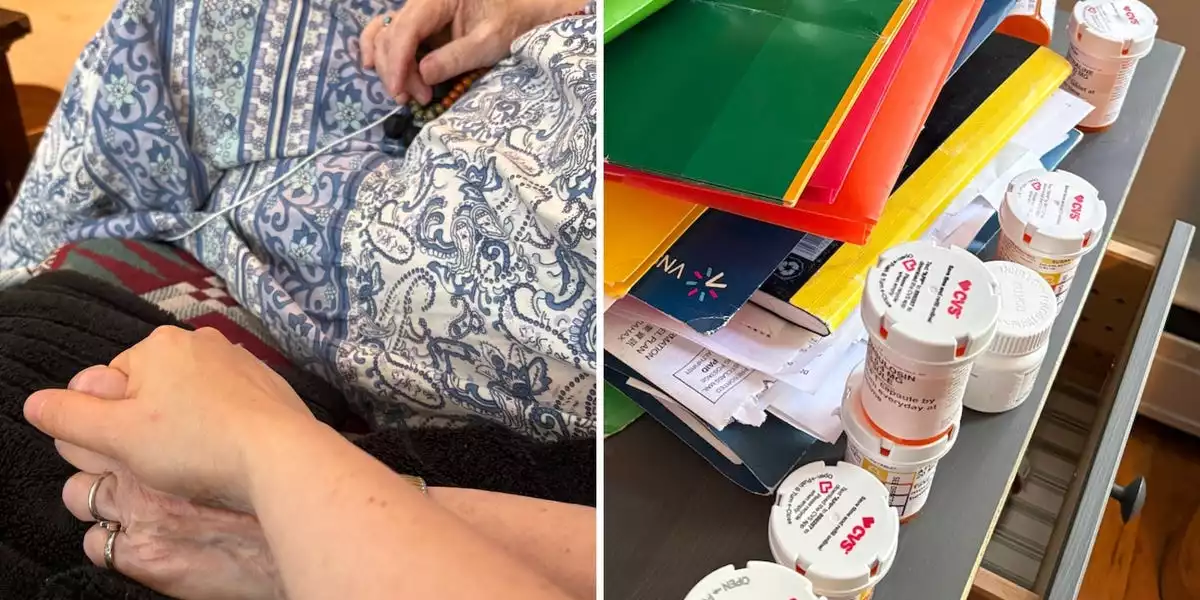
Behind every macro forecast about the aging population sits a quieter, more granular truth: Alzheimer’s care is not a single service—it is a continuous, high-stakes workflow. The narrative of a middle-aged daughter abruptly becoming a 24/7 caregiver captures what spreadsheets often miss: the job is equal parts clinical vigilance, emotional regulation, and bureaucratic navigation. Even after a hard-won Medicaid approval for in-home help, relief arrives only in fragments, because the core burden is not merely “hours of care.” It is the always-on responsibility for safety, continuity, and decision-making.
The recurring crises described—locked doors, repeated calls and texts for reassurance, insurance and benefits paperwork, medical appointments—illustrate a system where families function as the default care coordinators. This is not an edge case; it is increasingly the standard operating model in dementia care. The result is a form of chronic strain that blends grief with logistics: caregivers are asked to manage progressive cognitive decline while simultaneously acting as case managers, compliance officers, and emergency responders.
For business and technology leaders, the significance is twofold:
- Demand is structurally rising as Alzheimer’s prevalence grows and families shoulder more at-home care.
- The product-market fit is not “a device” or “an app,” but an integrated caregiving stack that reduces uncertainty, friction, and preventable crises.
Remote monitoring and telecare: where reassurance becomes a measurable service
One of the most revealing signals in the account is the mother’s repeated outreach—calls and texts that are less about information than about reassurance and orientation. This is a classic dementia-care pattern, and it points to a practical technology gap: families need tools that provide contextual confidence, not just raw data.
A mature home-based Alzheimer’s support model increasingly combines:
- Wearables and passive sensors (fall detection, motion patterns, door sensors) that reduce the need for constant visual supervision
- Voice-activated check-ins that can re-orient a patient without escalating to a caregiver call
- Care dashboards that translate signals into simple, actionable insights (e.g., “unusual nighttime wandering risk”)
- Telehealth and virtual check-ins for routine assessments, medication reviews, and caregiver coaching
Yet the narrative also highlights why adoption remains uneven: coverage, reimbursement, and interoperability. Telehealth can streamline routine care, but if platforms do not integrate with payer requirements—or if Medicaid-approved services vary by state—caregivers are left stitching together solutions that don’t talk to one another. The near-term commercial opportunity is therefore not only in better sensors, but in Medicaid-compatible telecare that integrates cleanly into home-health workflows.
In market terms, reassurance is becoming a service category. The winners will be those who can convert caregiver anxiety into validated risk reduction, with tools that are clinically credible, payer-aligned, and simple enough for exhausted families to use.
AI care coordination: turning paperwork and “weekend emergencies” into preventable events
The most expensive moments in dementia care are often not the planned ones. They are the sudden disruptions—lockouts, falls, medication confusion, escalating agitation—that arrive after hours or on weekends, when support systems thin out. The caregiver’s experience underscores how administrative complexity and crisis frequency reinforce each other: paperwork delays services; lack of services increases emergencies; emergencies consume the time needed to complete paperwork.
This is where AI—used carefully and transparently—can shift from novelty to infrastructure. The strongest use cases are not speculative; they are operational:
- Natural-language processing (NLP) for benefits and forms
– Auto-filling repetitive fields, flagging missing documentation, and generating checklists tailored to Medicaid requirements
- Scheduling and task orchestration
– Coordinating appointments, transportation, medication refills, and home-care staffing with fewer manual handoffs
- Predictive analytics for escalation risk
– Using patterns from electronic health records (EHR), claims, and in-home signals to anticipate high-risk windows (e.g., nighttime wandering, dehydration, missed meds)
- Decision support for caregivers
– Offering step-by-step guidance during common dementia scenarios, with clear thresholds for when to call a clinician versus emergency services
The business implication is that care coordination is a product, not an afterthought. If AI can shorten Medicaid application cycles, reduce documentation errors, and prevent a subset of avoidable emergency department visits, it creates measurable ROI for payers and providers—while returning something less quantifiable but equally valuable to families: time and emotional bandwidth.
The Alzheimer’s care economy: fragmentation, consolidation, and the employer’s stake
Economically, the story sits at the intersection of three forces: a rapidly expanding Alzheimer’s care market, a public payer system under strain, and a labor market where caregiving is increasingly a workplace issue. Projections of a trillion-dollar-scale care economy by 2030 reflect not only medical spend, but the broader ecosystem of home-care labor, assistive technology, and family out-of-pocket costs.
Several structural dynamics stand out:
- Medicaid as the backbone payer for long-term services and supports, but with backlogs and uneven state-level implementation that create care gaps
- A fragmented home-care agency landscape, producing inconsistent quality, training, and availability
- Rising private equity and strategic investor interest in tech-enabled home health—paired with a central tension: scaling margins in a labor-intensive service without degrading care
Employers, meanwhile, are not spectators. Industries with high concentrations of Gen X and older workers face growing exposure to caregiver burnout, absenteeism, and attrition. That makes caregiver support a pragmatic retention strategy, not simply a benefits add-on. The most actionable models are emerging around:
- Flexible leave and scheduling policies designed for unpredictable care events
- Subsidized respite care and counseling to reduce burnout and downstream healthcare utilization
- Subscription-style caregiver support bundles (teletherapy + care navigation + digital monitoring) underwritten by employers or insurers
The strategic throughline is clear: Alzheimer’s caregiving is becoming a defining stress test for health systems, payers, and workplaces alike. The organizations that lead will be those that treat home-based dementia care as a coordinated, data-informed service—one that supports not only the patient’s safety, but the caregiver’s capacity to keep going.


 By
By
 By
By
 By
By



 By
By