

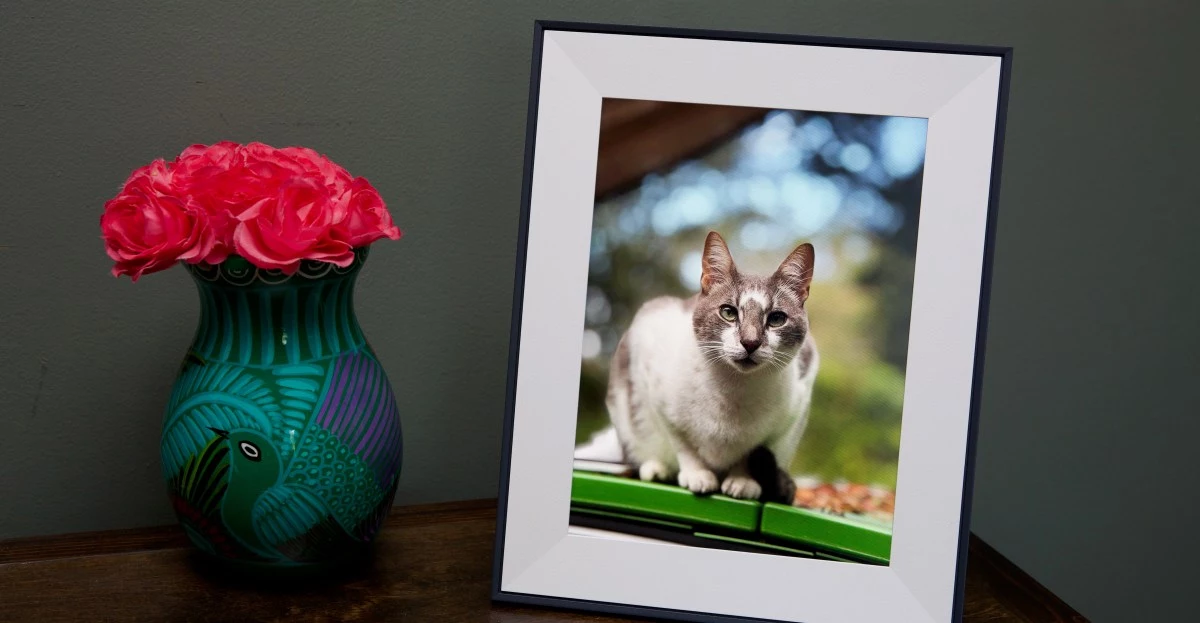

A price cut that signals confidence in the “memory appliance” category
Aura’s decision to discount its 12-inch Aspen digital photo frame to $199 (down from $229) across major retailers and its own direct channels is more than a routine promotion—it’s a calculated move in a consumer electronics segment that has quietly matured. Digital frames have shifted from novelty gadgets to what might be called “memory appliances”: always-on, low-maintenance devices designed to keep families connected through ambient storytelling rather than active screen time.
The timing matters. Promotional pricing aligned with gifting moments—particularly Mother’s Day and early-summer celebrations—is a well-worn retail playbook. What’s notable here is the category: digital frames remain niche compared with tablets or smart displays, so discounting is less about clearing inventory and more about reducing adoption friction for first-time buyers. At $199, Aspen sits in a psychologically important band where a premium gift feels attainable, especially for households weighing whether a dedicated frame is meaningfully different from a general-purpose smart display.
Aura’s broader lineup—Carver Mat (10.1-inch) and Walden (15-inch)—also being promoted suggests a portfolio strategy: meet buyers at multiple price and size preferences while keeping the core proposition consistent. That consistency is key to brand trust in a product that often becomes a long-term fixture in a home.
Product design choices that prioritize emotion, not attention
Aspen’s feature set reflects a clear thesis: the best digital photo frame is the one that disappears into daily life while reliably delivering moments that matter. Aura leans into that with a combination of display engineering, automation, and low-friction sharing.
Notable elements shaping the user experience include:
- Paper-like, antiglare LCD with 1600 × 1200 resolution in a 4:3 aspect ratio, a deliberate choice that better matches traditional photography than widescreen panels.
- Automatic brightness adjustment, reinforcing the “always appropriate” ambient presence—bright enough in daylight, subdued at night.
- Subscription-free sharing via the Aura app and SMS-based uploads, plus unlimited photo uploads—a direct rebuttal to the creeping service fees common in connected devices.
- Support for 30-second video clips and Live Photo compatibility, acknowledging that modern memories increasingly include motion.
- Cloud synchronization with iCloud and Google Photos, reducing the effort required to keep content fresh.
- In-app scanning for printed photos, a subtle but important bridge for families digitizing older archives.
- An adjustable metal stand and slideshow controls (including pacing), reinforcing that this is home décor as much as it is consumer tech.
From a technology standpoint, Aura’s approach illustrates a broader trend in IoT and connected consumer electronics: edge-resident devices (the frame) paired with cloud-based content pipelines (photos, albums, family contributions) can deliver an experience that feels personal without demanding constant interaction. The “paper-like” display language also signals how LCD manufacturers are borrowing from e-ink’s comfort cues—reducing glare and perceived harshness—while preserving color fidelity that e-ink still struggles to match.
The business model bet: no subscription, higher trust, faster network effects
Aura’s most strategically consequential choice is not the screen—it’s the economics. By emphasizing no subscription fees and unlimited uploads, Aura is effectively trading predictable recurring revenue for a stronger adoption narrative and, potentially, a larger installed base.
That trade-off carries several implications:
- Lower lifetime friction: Many buyers—especially gift purchasers—want a product that won’t impose future costs on the recipient. A subscription-free frame is easier to recommend and easier to keep.
- Faster family network effects: The value of a connected frame increases as more relatives contribute. Removing paywalls and upload limits encourages participation, which in turn improves retention and reduces churn.
- Differentiation against subscription-driven rivals: In a category where competitors may monetize storage, features, or sharing, Aura’s stance becomes a clear point of comparison—particularly compelling for cost-conscious households and older demographics wary of ongoing charges.
- Privacy and trust positioning: Avoiding subscription dependency can also reduce perceived pressure to monetize user data. In a family-memory product, trust is a feature, not a footnote.
Still, the model raises a natural question: where does growth come from if not recurring fees? The likely answer is a blend of hardware margin, portfolio expansion (upselling to larger frames like Walden), and optional add-ons that don’t compromise the core promise. Accessories such as premium stands, mounting solutions, or frame finishes are straightforward. More interesting is the possibility of opt-in premium software features that enhance curation without restricting basic sharing.
Where digital photo frames go next: AI curation, ecosystem ties, and new markets
The next phase of the digital frame market will likely be defined less by megapixels and more by intelligence, interoperability, and adjacent use cases. Aura is well-positioned to extend its value proposition if it can evolve from “displaying photos” to curating meaning.
Several forward-looking pathways stand out:
- AI-powered photo selection and sequencing: Machine learning could automatically surface seasonally relevant images, detect under-shared family members, or build “story arcs” around events—while keeping controls transparent to avoid unsettling users.
- Deeper smart-home integration: Compatibility with emerging standards (such as Matter) and voice assistants could make frames easier to manage across households, particularly for caregivers supporting seniors.
- Partnership ecosystems: Integrations with photo printing, family history platforms, or even senior-focused services could turn the frame into a node in broader life-management workflows.
- B2B and institutional adoption: Boutique hospitality, corporate gifting, and healthcare settings (patient rooms, family connection points) represent higher-margin opportunities where reliability and privacy matter.
- Curated content extensions: Optional art collections or event-specific “channels” (weddings, anniversaries, memorials) could create incremental revenue without undermining free personal uploads.
Aura’s Aspen discount may look like a simple retail headline, but it also underscores a larger shift: consumer technology is increasingly rewarded not for maximizing attention, but for minimizing effort while maximizing emotional utility. In that environment, the most durable devices may be the ones that feel less like screens—and more like part of the home.

 By
By
 By
By
 By
By
 By
By

 By
By







