
Serendipity as a Demand Signal in Post-Pandemic Travel
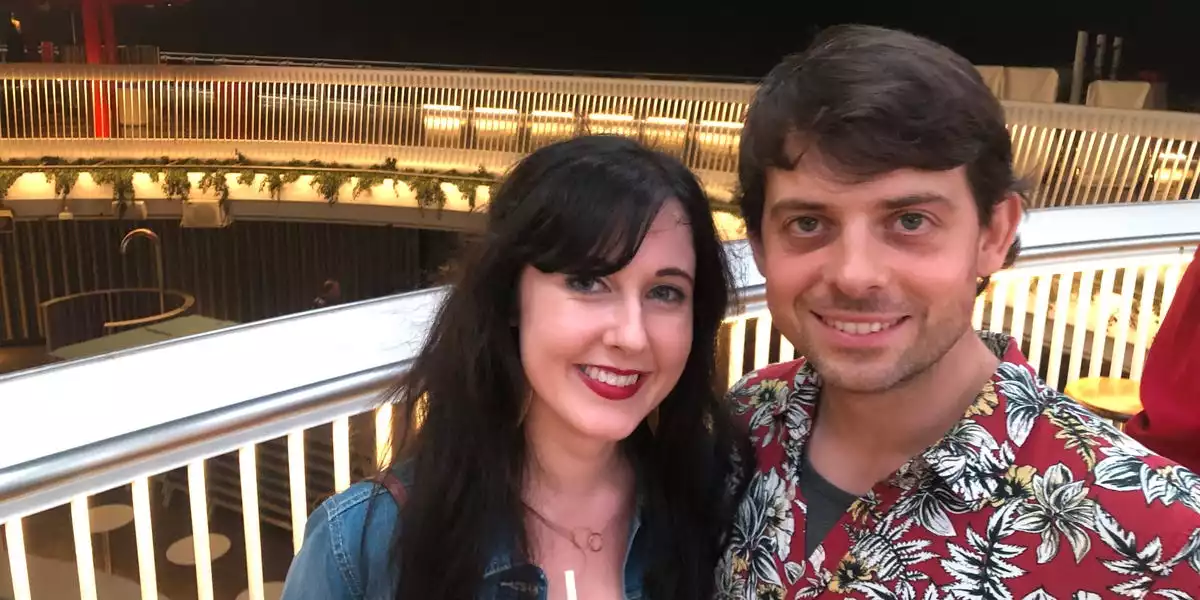
Jodie Hughes’s impulsive decision in summer 2024—moving from budget hostels to a 12-day Mediterranean cruise after meeting a street musician on Edinburgh’s Royal Mile—reads like a human-interest vignette. For the travel industry, it functions more like a high-resolution demand signal: consumers are increasingly willing to reallocate spending toward experiences that feel emotionally distinctive, socially shareable, and personally transformative.
This is the heart of experiential tourism in the post-2020 era. Travelers are not merely purchasing transportation and lodging; they are buying a narrative they can inhabit. The cruise, in this case, becomes a curated environment where luxury amenities, live entertainment, and the intimacy of shared discovery compress time—turning days into a story arc. That compression matters commercially: it accelerates the shift from “trial” to “attachment,” a dynamic that operators can monetize if they recognize it early.
Crucially, the story also illustrates a subtle but important behavioral shift: price sensitivity is no longer a stable trait. A “budget-minded traveler” can become a premium buyer when the perceived value is framed as rare, meaningful, and immediate. For cruise lines and hospitality brands, this is less about discounting and more about experience premiumization—charging a margin for atmosphere, access, and memory-making.
The New Purchase Funnel: Street-Level Discovery Meets Instant Digital Conversion
What makes this episode particularly instructive for business and technology leaders is the way it blends analog serendipity with digital enablement. The catalyst was physical and unplanned—a street performance and a conversation. But the feasibility of acting on that impulse is increasingly determined by digital infrastructure: booking apps, real-time inventory, frictionless payments, social proof, and the confidence created by reviews and creator-style storytelling.
This is the emerging paradigm of micro-journeys—rapid pivots from intent to purchase, often triggered by a moment rather than a months-long planning cycle. The winners in this environment will be the companies that treat spontaneity as a first-class product requirement.
Key capabilities implied by this shift include:
- Real-time inventory visibility across cabins, excursions, dining reservations, and entertainment access
- Dynamic pricing algorithms that protect yield while still enabling last-minute conversion
- AI-driven recommendations that respond to context (who the traveler is with, what they’ve browsed, what’s trending, what’s available now)
- Low-friction checkout and identity flows, especially on mobile, where impulse decisions are executed
For technology providers, the opportunity is not limited to selling software into travel. It extends to building the connective tissue between discovery and transaction—where a real-world moment can be captured, validated, and converted before it fades. In practical terms, that means personalization engines that can interpret signals quickly, and commerce stacks that can close a booking without forcing the customer back into “planning mode.”
Monetizing the “Trial-to-Loyalty” Leap Without Diluting Brand Equity
The cruise portion of the narrative highlights a familiar but underexploited revenue pattern: once a guest crosses the threshold into a premium environment, onboard spend and upsell receptivity can rise sharply, even among first-timers. Specialty dining, exclusive shows, upgraded cabins, and curated shore experiences are not merely add-ons; they are the mechanisms by which a traveler converts luxury from “novelty” into “new normal.”
The strategic question for operators is how to optimize revenue while preserving the aspirational feel that makes premiumization possible. The answer increasingly lies in predictive analytics and behavioral segmentation, not blanket upsell tactics.
Signals that can be mined—ethically and transparently—to tailor offers include:
- Booking timing and flexibility (last-minute buyers often value immediacy and novelty)
- Early onboard behaviors (show attendance, dining choices, spa interest, excursion browsing)
- Social sharing patterns (propensity to advocate can correlate with willingness to upgrade for “shareable” moments)
- Companion dynamics (traveling with a new acquaintance versus family can change privacy needs and activity preferences)
Done well, personalization doesn’t feel like selling; it feels like being understood. That distinction is central to maintaining brand equity in an era where consumers can detect generic monetization instantly—and punish it through reviews and social platforms.
Live Performance Partnerships and the Rise of “Experiential Currency” in Loyalty
The street musician is not a side character in this story; he is the differentiator. His presence reframes the cruise from a commodity product into a culturally charged experience. For cruise lines, resorts, and destination operators, this points to a scalable strategy: embed live performance and local cultural partnerships as core product features, not occasional entertainment.
Strategic alliances with emerging artists, local venues, and cultural institutions can create:
- Exclusive onboard appearances that generate social-media buzz and earned media
- Destination authenticity that differentiates itineraries in saturated markets
- Demographic expansion, especially among younger travelers who prioritize cultural texture over formal luxury cues
This also connects to the evolution of loyalty programs. Points and discounts are increasingly insufficient in experience-driven commerce. The next generation of loyalty is built on experiential currency—access, priority, intimacy, and belonging. Programs that reward repeat guests with front-row seating, backstage moments, limited-edition excursions, or artist-led events can reduce price sensitivity while increasing advocacy.
Jodie Hughes’s story ultimately underscores a commercial truth that travel executives and technology leaders are now forced to operationalize: the most valuable journeys are not always planned—they are captured. The companies that engineer for that capture, and then deepen it into loyalty through culture, personalization, and modular experience design, will be best positioned to turn fleeting moments into durable growth.

 By
By
 By
By

 By
By


 By
By
 By
By