
Claude moves from chatbot to embedded copilot—why “in-app AI” changes enterprise behavior
Anthropic’s launch of “Cowork & Plugins for the Enterprise” marks a notable shift in how generative AI is expected to show up inside organizations. Rather than positioning Claude as a destination—an isolated chat window where users paste prompts and copy results back into their work—Anthropic is pushing Claude directly into the software where knowledge work already happens: Microsoft Excel, PowerPoint, and Slack, with additional connectors spanning Google Drive, Gmail, and DocuSign.
That interface choice is not cosmetic; it is strategic. Enterprise productivity is often constrained less by the availability of intelligence than by the friction of context switching—moving between tools, re-explaining tasks, re-attaching files, and re-validating outputs. By embedding Claude into everyday applications, Anthropic is effectively betting that AI UX (user experience) will become as decisive as model quality.
For business leaders, the practical implication is straightforward: if AI is present at the moment decisions are made—inside spreadsheets, decks, threads, and documents—adoption becomes less of a “new tool rollout” and more of a workflow upgrade. That’s a meaningful change in procurement dynamics, training requirements, and ultimately ROI measurement.
Key elements of the announcement reinforce this “AI as a layer” direction:
- Native in-app assistance that reduces handoffs between chat and work surfaces
- Role-specific plugins (finance, HR, design, and more) designed to map to real job functions
- Enterprise connectors that pull live data into Claude-driven workflows under administrative controls
The result is a clear signal: Anthropic is positioning Claude not merely as a model, but as a foundational layer for knowledge work—with the company projecting outsized impact on software development in 2025 and broader knowledge functions by 2026.
The plugin framework is the real product: portability, composability, and the end of “AI lock-in”
The most strategically charged part of Anthropic’s move may be its emphasis on open-source, portable plugins. In enterprise software, vendor lock-in is rarely an abstract concern; it is a budget line item and a risk register entry. Integrations, custom workflows, and compliance configurations create switching costs that often outweigh incremental performance differences between competing platforms.
Anthropic’s plugin approach aims to invert that dynamic by making plugins:
- Open-source (inviting third-party and internal innovation)
- Role-tailored (aligned to how work is actually organized)
- Portable across ecosystems (reducing dependence on a single vendor’s stack)
This is a subtle but consequential challenge to the prevailing trajectory in productivity AI, where major vendors tend to deepen proprietary integrations. Microsoft 365 Copilot, Google’s AI features across Workspace, and OpenAI’s enterprise offerings all benefit from tight coupling to their respective ecosystems. Anthropic’s counter-position is that interoperability itself can be a differentiator—especially for enterprises that run hybrid environments or that want negotiating leverage.
The longer-term architectural implication is a modular enterprise future where AI capabilities behave like composable microservices: small, specialized components that can be mixed, matched, and governed. If that model takes hold, it could reshape how organizations think about “platform strategy”—less about choosing one monolith, more about orchestrating a portfolio of AI-enabled components.
Real-time connectors plus governance: the enterprise adoption bottleneck Anthropic is targeting
Enterprise AI deployments tend to stall on two recurring obstacles: data access and risk management. A model can be powerful, but if it cannot securely access current documents, contracts, and operational systems—or if it accesses them in ways security teams cannot audit—its usefulness is limited and its risk profile unacceptable.
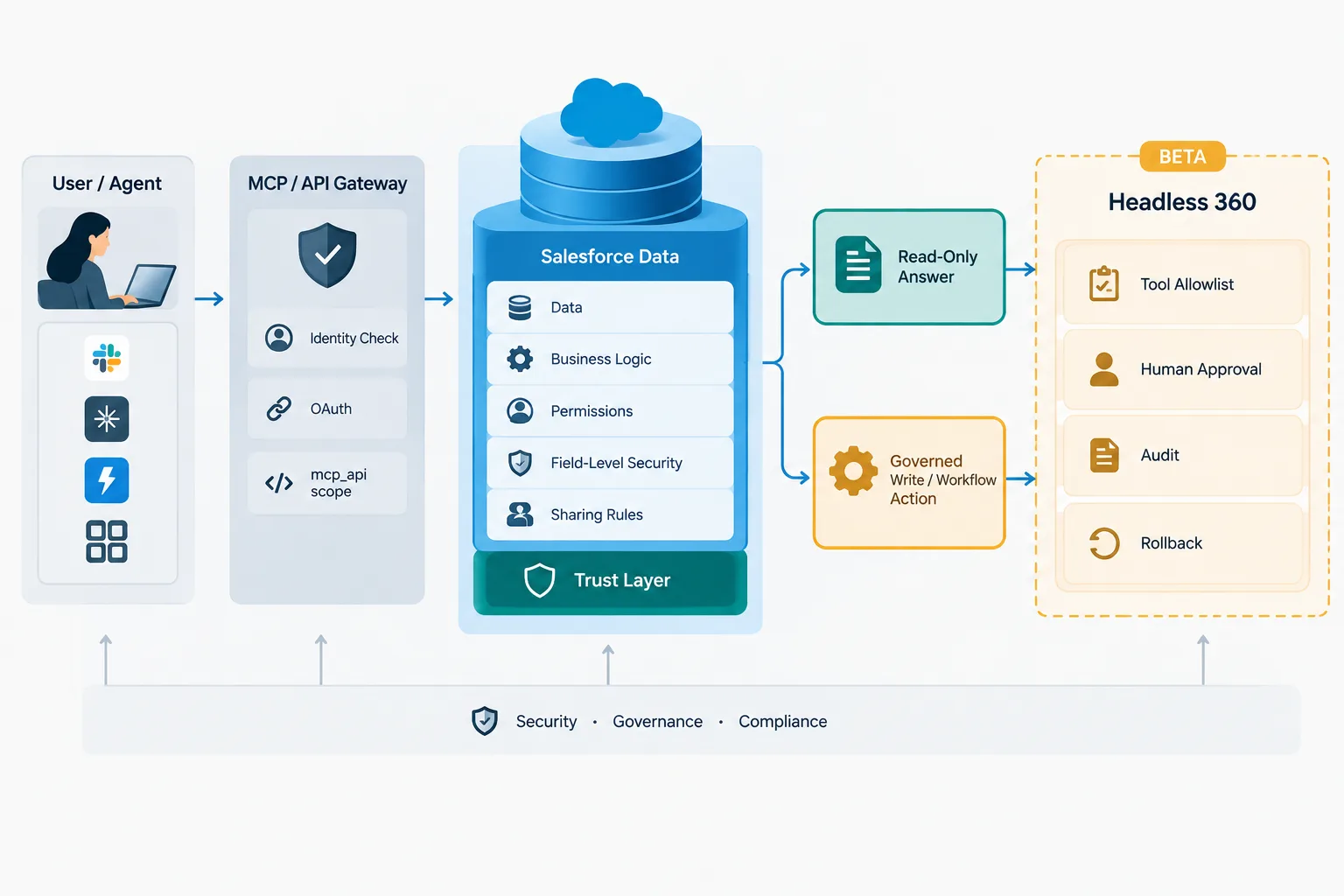
Anthropic’s connectors to Google Drive, Gmail, and DocuSign, paired with enterprise administrative controls and private plugin marketplaces, are designed to address that tension directly. The promise is not just “Claude can read your files,” but “Claude can read the right files, at the right time, under the right controls.”
From an enterprise governance standpoint, the private marketplace concept is especially notable. It implies a controlled distribution channel where IT and security teams can:
- Approve which plugins are available internally
- Enforce access policies and permissioning
- Standardize versions and reduce shadow AI sprawl
- Create clearer audit trails for compliance and investigations
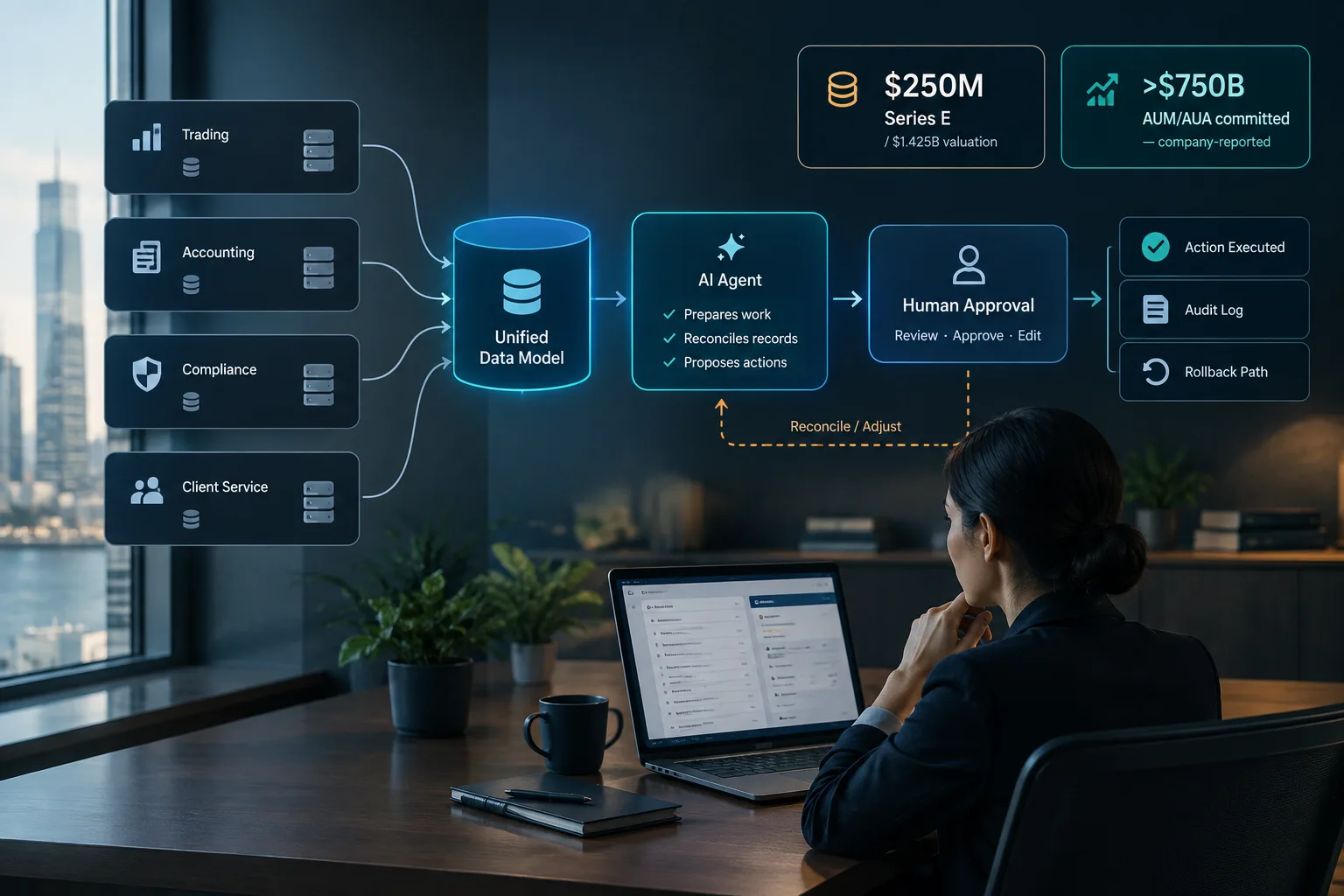
This matters because the next phase of enterprise AI is less about novelty and more about operationalization—making AI repeatable, monitorable, and safe enough to embed into core processes like finance close, legal review, HR operations, and regulated communications.
Early adopter signals—cited organizations such as L’Oréal, Deloitte, and Thomson Reuters—suggest the value proposition is resonating where workflow automation and knowledge throughput are strategic priorities. The market will still demand proof: measurable cycle-time reductions, fewer manual handoffs, and demonstrable improvements in accuracy and compliance outcomes.
Competitive stakes: an “AI platform” race with echoes of the smartphone app economy
Anthropic’s enterprise push reads like a deliberate pivot from model vendor to workflow platform—and that reframes the competitive landscape. The company is not trying to out-integrate Microsoft inside Microsoft’s own stack; it is trying to make Claude the connective tissue across stacks, with plugins acting as the distribution mechanism for specialized capabilities.
This is where the analogy to the smartphone platform era (circa 2009–2012) becomes instructive. The winners were not only those with strong core technology, but those who catalyzed developer ecosystems through SDKs, marketplaces, and repeatable monetization paths. Anthropic’s open plugin framework and enterprise marketplaces look like an attempt to seed a comparable AI plugin economy, where value accrues to the platform that becomes the default substrate for “work apps with intelligence.”
For CIOs and enterprise buyers, the strategic questions now sharpen:
- Openness vs. convenience: Does interoperability outweigh the simplicity of a single-vendor suite?
- Governance maturity: Can the organization manage plugins like software assets—with versioning, access control, and auditability?
- Talent and capability: Is there internal capacity to build or adapt role-specific plugins that become proprietary advantages?
- Regulatory readiness: Are data lineage, retention, and decision accountability designed in—not bolted on later?
Anthropic is effectively arguing that the next productivity leap will come not from better prompts, but from AI that lives inside the work, draws on real-time enterprise context, and evolves through a modular ecosystem. If that thesis holds, the competitive frontier in enterprise AI will be defined less by who has the smartest chatbot—and more by who becomes the most trusted, governable, and extensible layer beneath modern knowledge work.

 By
By
 By
By
 By
By


 By
By

 By
By