

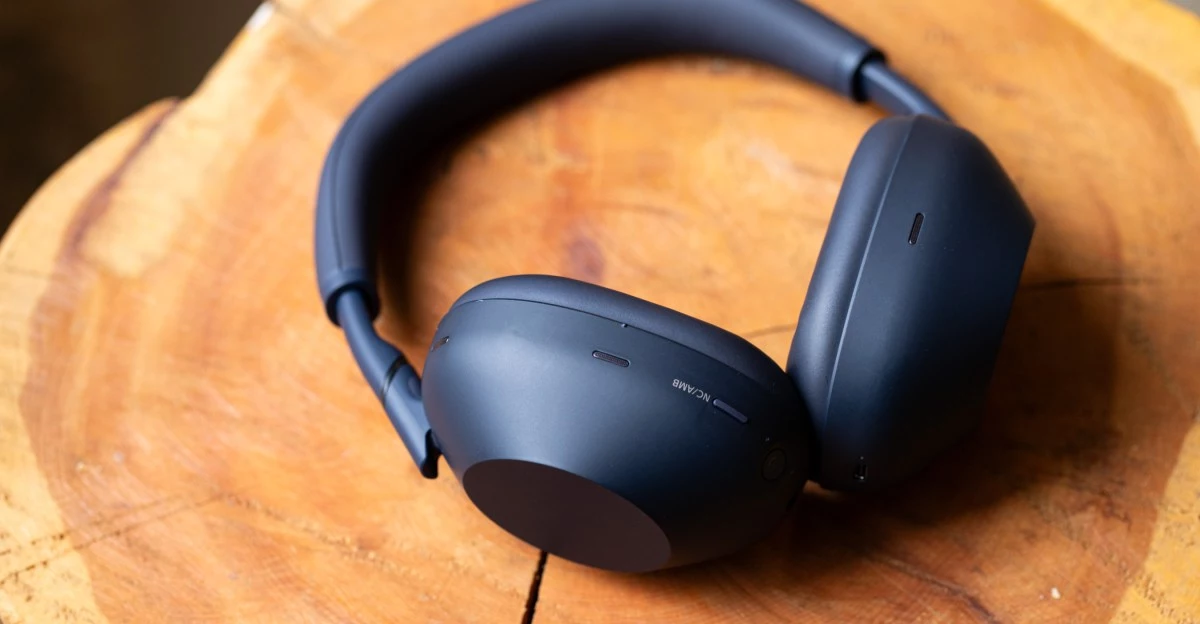

Sony WH-1000XM6 signals a new phase in premium noise-canceling headphones
Sony’s launch of the WH-1000XM6 lands in a mature but still fiercely contested segment: premium over-ear wireless headphones where active noise cancellation (ANC), comfort, and call performance have become baseline expectations rather than luxuries. The XM6 positions itself as a refinement-heavy flagship—less a radical redesign than a deliberate tightening of the variables that matter most to commuters, frequent flyers, and hybrid workers: stronger isolation, higher-fidelity sound, better ergonomics, and dependable all-day battery life.
The most consequential shift is Sony’s emphasis on a newly integrated noise-cancellation chip paired with upgraded drivers and an expanded digital signal processing (DSP) approach. In practical terms, this is about improving the “real world” experience of ANC—where the challenge is not just low-frequency rumble, but the messy mid-band environment of traffic, voices, and irregular urban noise. By leaning on both feed-forward and feedback microphone arrays, Sony is effectively betting that users will notice not only quieter backgrounds, but also fewer artifacts—those subtle pressure effects or tonal distortions that can accompany aggressive cancellation.
For the broader market, the XM6 release reinforces a clear industry direction: premium headphones are no longer sold purely on sound. They are sold on context management—the ability to shape a personal environment across work calls, travel, and leisure listening, with software-driven personalization increasingly central to the value proposition.
Inside the XM6 upgrade cycle: ANC silicon, DSP tuning, and user-controlled fidelity
Sony’s technical narrative centers on two pillars: more capable ANC processing and richer, more controllable audio reproduction. The dedicated ANC chipset and upgraded DSP architecture aim to widen the frequency range over which noise can be effectively reduced, particularly in the mid-band where many competitors struggle to maintain natural sound while suppressing intrusive ambient energy.
From a product differentiation standpoint, the XM6’s improvements can be framed as a set of “quality-of-life” gains that compound:
- Deeper ANC performance in complex environments (e.g., city streets, transit hubs), enabled by improved microphone arrays and signal processing.
- Enhanced audio fidelity via upgraded drivers and more granular EQ customization, supporting listeners who want both impactful consumer tuning and more detail-oriented reproduction.
- Refined voice-call quality, a critical battleground as headphones increasingly substitute for office headsets in hybrid work.
- 30-hour battery life with ANC enabled, keeping Sony aligned with top-tier endurance expectations in the category.
- Charge-and-listen capability, allowing continued use while charging—though requiring a dual-cable setup that underscores the trade-offs still present in power and connectivity design.
Notably, Sony’s emphasis on EQ and DSP flexibility reflects a broader shift in consumer audio: hardware is increasingly judged by how well it supports personalization. As streaming services normalize high-quality sources and listeners move between genres and contexts, the “best” sound is often the sound a user can quickly tailor—without friction, distortion, or a steep learning curve.
Comfort, repairability cues, and the sustainability subtext
While performance headlines often focus on ANC and drivers, Sony’s design changes may be the most strategically telling. A widened headband and removable ear cups point to a product philosophy that treats long-session wearability and lifecycle maintenance as competitive advantages, not afterthoughts.
Comfort is not merely ergonomic—it is commercial. In a category where many buyers already own a prior-generation model, upgrade motivation often hinges on the cumulative irritation of daily use: pressure points during long flights, heat buildup during extended work sessions, or worn pads that degrade both comfort and acoustic seal. By making ear cups removable, Sony also nods toward a growing expectation of hygiene, longevity, and component refresh—a subtle but meaningful alignment with sustainability narratives and emerging regulatory pressures around repairability.
This design direction mirrors a wider industry recalibration:
- Lifecycle value is becoming a feature, as consumers weigh premium pricing against durability and maintainability.
- Design-for-disassembly signals readiness for stricter “right to repair” norms and extended producer responsibility discussions.
- Accessory ecosystems gain importance, since replaceable components can create ongoing revenue streams while improving customer satisfaction.
For enterprise buyers and frequent travelers, these changes also carry operational implications: replaceable wear parts can reduce downtime and extend usable life, making premium headphones more defensible as semi-professional tools rather than discretionary gadgets.
Pricing strategy and competitive pressure: why the $368 promotion matters
Sony’s limited-time discount—$92 off, bringing the WH-1000XM6 to $368 at major retailers such as Amazon, Best Buy, and Target—reads as more than a simple launch incentive. It reflects the current reality of consumer electronics: price fluidity is now structural, shaped by cautious discretionary spending, promotional retail dynamics, and intense competition from entrenched rivals like Bose QuietComfort and Apple AirPods Max.
For Sony, the discount functions on multiple levels:
- Defensive positioning: maintaining mindshare and perceived value leadership in the premium ANC tier.
- Demand acceleration: converting fence-sitters who might otherwise wait for holiday pricing or competitor refreshes.
- Channel leverage: giving retailers a time-sensitive traffic driver that can lift baskets through add-ons (cases, adapters, streaming subscriptions, and other accessories).
- Inventory and cadence management: reinforcing a market norm where even flagship products see meaningful markdowns earlier in their lifecycle.
The strategic takeaway for the sector is that premium hardware is increasingly treated as a gateway into broader ecosystems—where differentiation may come from software features, firmware updates, and service adjacencies as much as from physical components. As margins face pressure, manufacturers will likely intensify efforts to monetize the post-purchase relationship: personalization layers, platform tie-ins, and partnerships with content providers.
Sony’s WH-1000XM6, then, is best understood as a carefully calibrated response to a market that demands simultaneous excellence in noise cancellation, sound quality, comfort, and value discipline—and where the winners will be those who can turn a headphone into a durable, upgradable, and ecosystem-aware companion for modern work and life.

 By
By
 By
By


 By
By

 By
By
 By
By







