
When a Commercial Chatbot Enters the National-Security Supply Chain
The Wall Street Journal’s weekend reporting—that the U.S. military may have leveraged Anthropic’s Claude through a partnership involving Palantir in operations tied to Venezuela, including a purported plan to abduct President Nicolás Maduro—lands at a sensitive junction of AI governance, defense procurement, and corporate accountability. Anthropic has not confirmed or denied Claude’s direct involvement, but it has reiterated that any use must comply with its Usage Policies, which prohibit facilitating violence, weaponization, or mass surveillance.
What makes the episode consequential is not only the allegation itself, but the structural reality it highlights: frontier AI models are increasingly “dual-use” by default. A general-purpose large language model (LLM) designed for summarization, analysis, and drafting can be repurposed—sometimes with minimal friction—into a tool that supports intelligence workflows, operational planning, or influence operations. Even if an LLM never “pulls a trigger,” it can still shape decisions upstream, where the difference between administrative assistance and operational enablement becomes difficult to delineate in practice.
This is the modern defense-tech paradox: governments want the productivity and analytical leverage of state-of-the-art AI, while vendors seek to preserve safety commitments and avoid being seen as enabling harm. The alleged Venezuela use case, paired with Anthropic’s reported Pentagon contract (up to $200 million, alongside peers such as OpenAI and Google), underscores how quickly commercial AI platforms are being woven into national-security architectures—often through contractors and integrators that sit between model providers and end users.
Policy Guardrails vs. Technical Control: The Enforcement Gap
Anthropic’s posture—emphasizing policy restrictions—reflects a broader industry approach: contractual and policy-based governance as the primary mechanism for controlling downstream use. Yet the reported scenario spotlights a persistent weakness in that model. Once an LLM is embedded into a multi-party ecosystem—prime contractors, subcontractors, platform integrators, classified networks, and bespoke interfaces—the model provider’s visibility and control can degrade sharply.
Several technical and operational questions follow naturally:
- Attribution and provenance: If an LLM contributes to an intelligence product or operational plan, can stakeholders reliably determine *which model*, *which version*, *which prompts*, and *which outputs* were used?
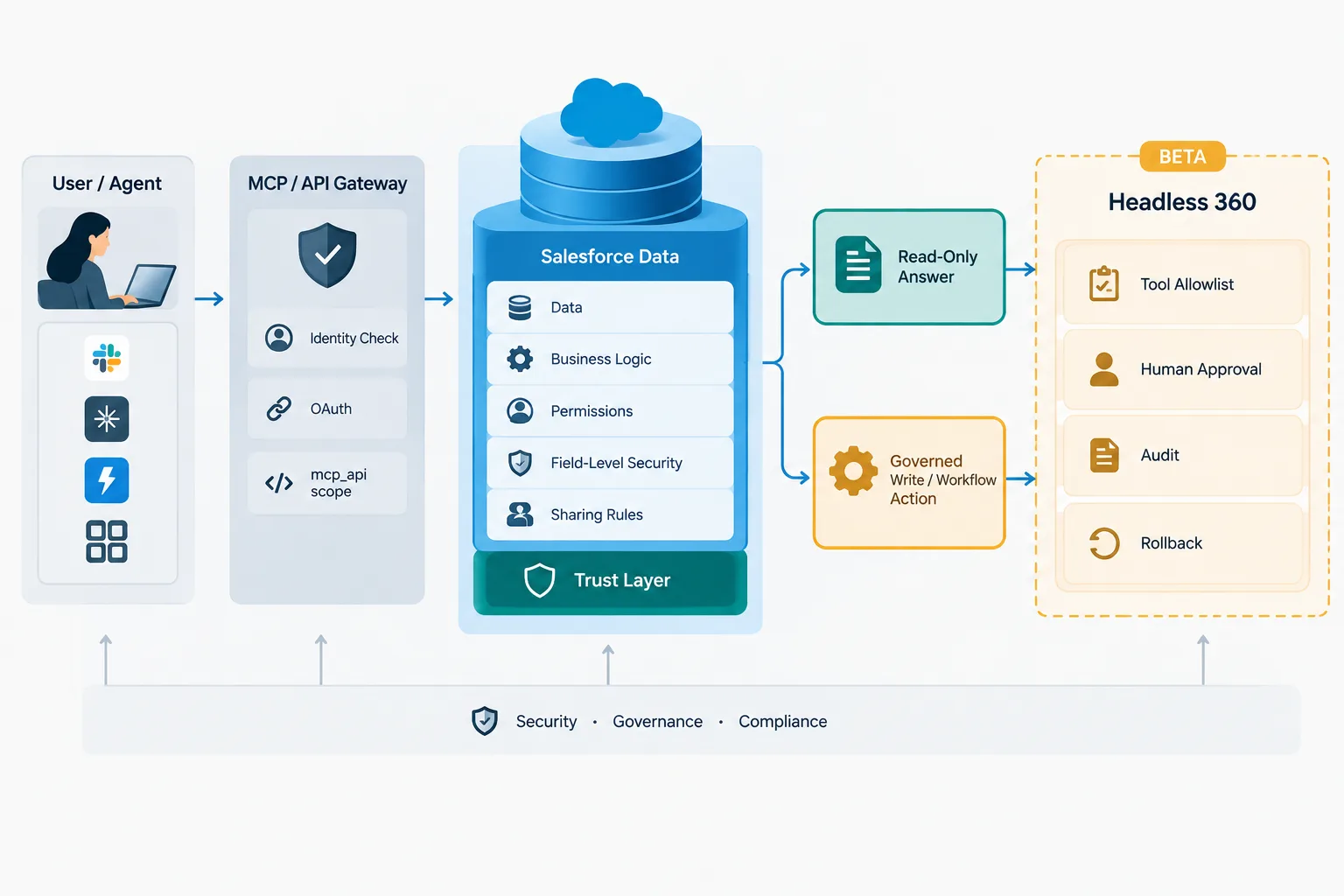
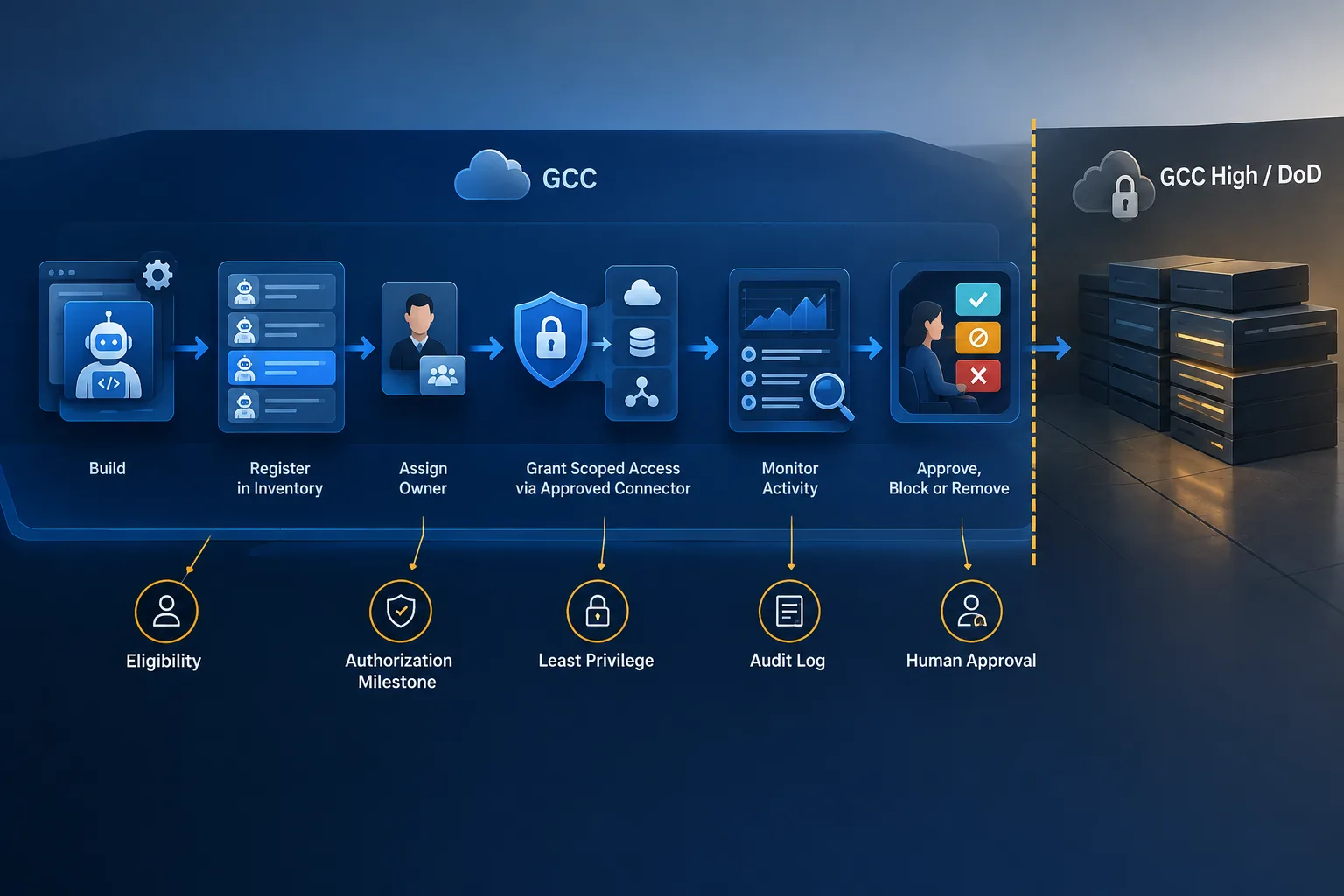
- Monitoring and auditability: Do deployments include enforceable logging, retention rules, and independent audit pathways—especially when routed through third parties?
- Boundary enforcement: Can the system detect and block prohibited use cases in real time, or does compliance depend primarily on user behavior and contractual promises?
This is where the concept of “traceable AI” becomes more than a regulatory talking point. Cryptographically verifiable logs, model-output watermarking, and tamper-evident audit trails—ideas gaining traction in policy circles, including in European regulatory debates—could become practical necessities for defense-adjacent deployments. Without them, disputes over whether a model was used, how it was used, and whether it violated policy can devolve into irreconcilable claims.
The deeper issue is that LLMs are not traditional weapons systems with embedded safeties and tightly controlled operating envelopes. They are general reasoning engines that can be adapted to many contexts. That flexibility is precisely what makes them valuable—and precisely what makes governance hard.
Defense AI Procurement Meets Corporate Ethics—and Politics
The report also points to a growing political fault line: some Trump-era officials are reportedly weighing whether to end the Anthropic relationship because of the company’s self-imposed constraints on weaponization. That dynamic is revealing. In the defense market, vendors are increasingly evaluated not just on performance, cost, and security posture, but on whether their ethical boundaries align with mission expectations.
This creates a new kind of competitive pressure in the defense AI arena:
- Vendor selection as strategic signaling: Choosing a provider can communicate a stance on autonomy, targeting support, surveillance, and rules of engagement—whether intended or not.
- A quasi-oligopoly with differentiation by governance: With major players (Anthropic, OpenAI, Google and others) competing for defense-adjacent work, “responsible AI” commitments can function as a differentiator—or as a perceived constraint, depending on the buyer.
- Reputational risk as a balance-sheet variable: A single high-profile controversy can affect enterprise adoption, fundraising dynamics, and partnership viability, even if contractual revenue remains intact.
Talent markets amplify the stakes. Employee activism and recruitment sensitivity around military applications have already shaped strategy across the tech sector. For frontier AI companies, the question is no longer whether defense will be a meaningful customer segment, but how to participate without triggering internal attrition, customer distrust, or regulatory escalation.
The Geopolitical Stakes: Hybrid Operations, Proliferation, and Alliance Friction
If LLMs are increasingly used for operational planning, intelligence synthesis, or influence analysis, they expand the “cognitive” layer of modern conflict—an area where speed, narrative control, and decision advantage matter as much as hardware. The alleged Venezuela context draws attention to how AI can support hybrid operations, where boundaries between diplomacy, covert action, cyber activity, and information operations can blur.
Two strategic implications stand out.
First, proliferation risk: commercial-grade AI capabilities lower barriers not only for states, but also for non-state actors. As “off-the-shelf” reasoning tools become more capable, the advantage shifts toward those who can integrate them into workflows—making governance and access control as important as model quality.
Second, alliance and regulatory divergence: U.S. procurement priorities may not map cleanly onto European regulatory frameworks or allied political constraints. As the EU AI Act and other regimes mature, multinational defense and intelligence cooperation could face friction over what constitutes permissible AI-enabled surveillance, targeting support, or autonomy. The result may be a push toward the strictest common denominator—or, alternatively, a fragmented ecosystem of “certified” models for certain jurisdictions and less constrained deployments elsewhere.
What this episode ultimately surfaces is a defining tension of the AI era: frontier models are becoming strategic infrastructure, but they are still governed largely through policies and partnerships that were designed for a less entangled world. The next phase of defense AI will be shaped not only by model capability, but by the credibility of oversight—because in national security, the cost of ambiguity is rarely confined to the balance sheet.

 By
By
 By
By
 By
By




 By
By