
When the Super Bowl Becomes a Live-Fire Tech Audit
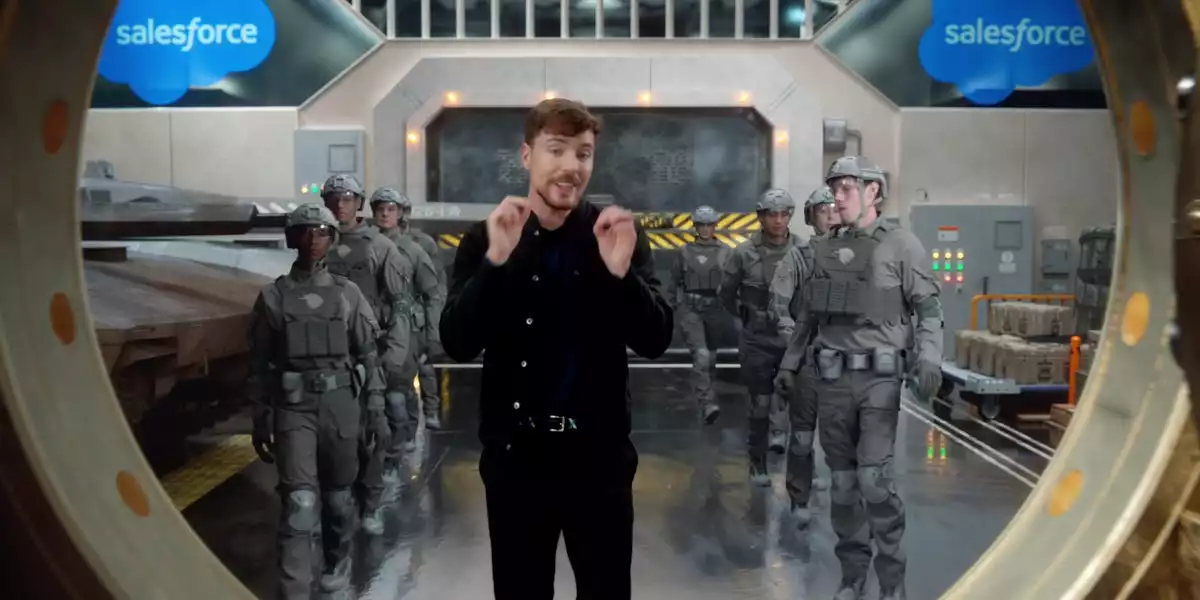
Each February, the Super Bowl commands the world’s attention—not just as a sporting spectacle, but as a crucible for the world’s most daring marketers and technologists. This year, the event’s gravitational pull extended far beyond the gridiron, transforming into an unprecedented, real-time stress test for digital platforms. Salesforce, Mr Beast, and AI.com each gambled eight-figure sums on national TV spots, pairing creative bravado with interactive calls-to-action. The result? A collision of ambition and infrastructure, as millions of viewers surged online in seconds, exposing the fragile underbelly of even the most vaunted cloud architectures.
The Anatomy of a Digital Stampede: Where Infrastructure Meets Imagination
The Super Bowl’s 30-second ad window has become a crucible for concurrency—a fleeting moment when traffic surges rival, and often eclipse, Black Friday’s notorious peaks. This year’s campaigns revealed a recurring pattern:
- Instantaneous Demand, Unforgiving Bottlenecks: AI.com’s site crumpled under the weight of Google’s rate limits, a telling sign that even the most hyped AI brands are not immune to the constraints of off-the-shelf SaaS solutions. Salesforce, for its part, saw downstream delays in its email confirmation flows, hinting at overloaded marketing automation and identity services rather than front-end failures.
- The Myth of Infinite Scalability: The persistent belief that cloud hosting guarantees limitless elasticity was once again debunked. Autoscaling, while powerful, is not instantaneous—cold starts and provider throttles introduce latency just when brands can least afford it.
- Observability Blind Spots: Despite hard lessons from past events—Coinbase’s infamous 2022 Super Bowl crash among them—teams still underestimated the ferocity of first-minute spikes. The tools to anticipate and manage such volatility remain, for many, a work in progress.
The Economics of Outage: When Failure Becomes a Feature
The juxtaposition of eye-watering media costs and technical fragility raises existential questions for performance-driven advertisers:
- Media Spend vs. Technical Investment: With NBCUniversal’s ad slots commanding $8–10 million apiece, the marginal cost of additional cloud capacity pales in comparison to the reputational damage of a public outage. For Salesforce, the math is stark: $0.15–0.20 per unique visitor is on par with, or even undercuts, social platform user acquisition rates.
- Scarcity and Gamification as Double-Edged Swords: Mr Beast’s $1 million puzzle and AI.com’s agent-building challenge were engineered to generate FOMO and instantaneous engagement. The resulting “rush” can paradoxically amplify brand salience—failure itself becomes a badge of exclusivity, echoing the mechanics of limited-edition sneaker drops. Yet this is a dangerous game; repeated unreliability quickly erodes consumer trust.
- The Compression of the Funnel: Awareness and action now collapse into a single, breathless moment. The creative, technical, and CRM stacks must be orchestrated as one—silos between marketing and engineering are no longer tenable.
Strategic Shifts: From Momentary Spectacle to Enduring Advantage
The Super Bowl’s transformation into a de facto cloud benchmark signals a new era for brand and technology leaders:
- Broadcast as Disaster Recovery Drill: Passing the “Super Bowl test” is fast becoming as vital to reputation as SOC 2 compliance. For consumer-facing tech, resilience is no longer a back-office concern—it is a public spectacle.
- Generative AI and Participatory Engagement: AI.com’s call for users to “build your own agent” and Salesforce’s clue-driven narrative tap into the zeitgeist of participatory AI. Platforms that can sustain community-driven content beyond the event stand to reap compounding network effects; those that cannot will see engagement evaporate as quickly as it arrived.
- Crypto’s Rebranding and Regulatory Crosswinds: The pivot from Crypto.com to AI.com is emblematic of a broader industry shift, as Web3 and crypto brands seek to rehabilitate their image under the more palatable AI banner. This migration, however, is likely to invite fresh regulatory scrutiny.
The New Playbook: Building for the Burst
For decision-makers, the implications are clear and urgent:
- Design for Burst, Not Baseline: Pre-provision 15–20× normal capacity, negotiate with cloud providers for warm-pool instances, and rehearse CDN edge cutovers.
- Fuse Marketing and SRE: Demand technical load-test certifications before greenlighting high-stakes campaigns; institute joint CMO/CTO go-no-go processes.
- Harness Scarcity Responsibly: Use queue systems and staged rollouts to convert excess demand into structured engagement, not unscripted failure.
- Monetize the Data Surge: Leverage the influx of first-party sign-ups to seed long-term customer value models, shifting from spectacle to sustained engagement.
- Redefine ROI: Move beyond impressions to “cost per resilient interaction”—budgeting for infrastructure as an insurance policy, not an afterthought.
The Super Bowl has evolved into a high-stakes systems audit, witnessed by over 100 million consumers. In an era where AI-driven engagement is the norm and digital journeys are always-on, technical mastery is inseparable from brand equity. The next generation of winners will be those who can seamlessly choreograph creativity, resilience, and data strategy into a single, unfaltering moment of truth—turning fleeting attention into enduring trust.

 By
By
 By
By
 By
By
 By
By

 By
By