
A Tragedy in Buckeye: Exposing the Fractures in Electric and Autonomous Mobility
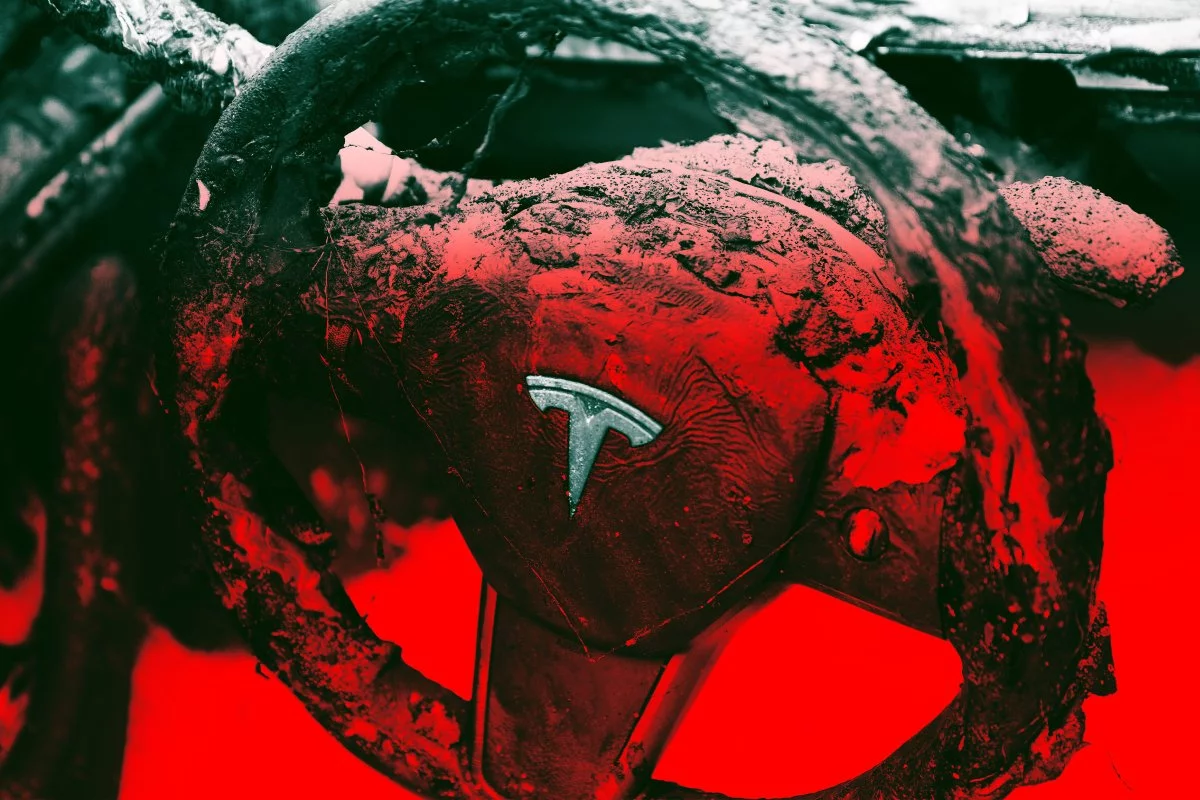
The recent fatal crash and subsequent fire in Buckeye, Arizona, has become a flashpoint in the ongoing debate over the safety and accountability of next-generation electric vehicles. The incident, involving a Tesla, has not only reignited public concern but has also sharpened regulatory and legal scrutiny around three deeply intertwined vectors: the inherent risks of lithium-ion battery chemistry, the ambiguous boundaries of Autopilot and Full Self-Driving (FSD) system accountability, and the design of emergency egress hardware now under federal investigation. This convergence of risks arrives at a moment of existential importance for Tesla, as the company seeks to scale its robotaxi ambitions atop the very technologies now under the microscope.
Battery Chemistry and the Limits of Current Technology
The Buckeye fire is a sobering illustration of the thermal fragility embedded in today’s high-nickel lithium-ion cells. Tesla’s continued reliance on nickel-cobalt-aluminum (NCA) and nickel-cobalt-manganese (NCM) chemistries for its premium models grants it industry-leading range, but at a cost: a razor-thin margin between normal operation and catastrophic thermal runaway. While competitors are shifting toward lithium iron phosphate (LFP) packs—sacrificing some range for vastly improved thermal stability—Tesla’s strategy reflects a calculated gamble on consumer priorities.
Key technical and operational realities include:
- Thermal Runaway Suppression: Emerging solutions like nano-silica fire retardants and solid-state separators remain in the lab, leaving first responders to battle multi-hour battery fires with limited tools. This not only distorts the total cost of ownership for electric vehicles but also complicates insurance underwriting, as payout risks become harder to model.
- Emergency Egress Risks: The flush-handle, actuator-dependent door systems, lauded for their aesthetics, have revealed a critical vulnerability: failure under high heat. Unlike legacy automakers who maintain mechanical redundancies, Tesla’s approach may now face forced retrofits as regulators intensify their focus.
Autonomy, Accountability, and the Legal Gauntlet
The boundaries of responsibility in semi-autonomous driving remain as blurred as ever. Tesla’s Autopilot and FSD systems, marketed with an aura of inevitability, continue to operate within an ambiguous operational design domain. NHTSA data points to a disproportionate involvement of Level-2 Advanced Driver Assistance Systems (ADAS) in serious incidents, but parsing out the roles of driver inattention versus software edge-case failure is a legal and technical minefield.
Recent legal developments have only heightened the stakes:
- Litigation and Settlements: The $329 million verdict in August, followed by a cascade of confidential settlements, has set a new benchmark for wrongful-death cases involving partially automated vehicles. This recalibration of liability is already rippling through insurance markets, raising premiums and tightening underwriting for high-density battery EVs and advanced ADAS platforms.
- Regulatory Momentum: The ongoing NHTSA engineering analysis into “phantom braking” and driver inattention could result in mandated over-the-air (OTA) software updates or even geographic restrictions on feature deployment, directly impacting Tesla’s ability to scale its robotaxi vision.
Strategic Inflection Points for Industry Decision-Makers
The Buckeye incident is not an isolated failure but a catalyst accelerating industry-wide recalibration. The interplay of regulatory, legal, and market forces is reshaping the economic architecture of autonomous and electric mobility.
Decision-makers face a new landscape:
- Risk and Capital Allocation: Boards must now model return-on-invested-capital scenarios that account for litigation-adjusted risk. The hurdle rate for autonomy investments is rising, and diversification into safer battery chemistries is no longer optional—it is a regulatory and reputational imperative.
- Policy and Operational Engagement: Early, proactive collaboration with fire authorities and participation in regulatory pilots such as the NHTSA AV TEST Initiative are becoming essential. These efforts can help shape performance metrics before they become rigid compliance obstacles.
- Governance and Talent: The quantification of “founder distraction” in legal proceedings points to a need for board-level safety oversight. Meanwhile, the scarcity of engineers certified in ISO 26262 and UL 4600 is stretching development timelines and inflating costs, particularly for late entrants.
Shifting Competitive Narratives and the Road Ahead
As the sector recalibrates, incumbent automakers with more measured autonomy timelines are finding new strength in restraint, positioning “deliberate progress” as a competitive virtue. Mobility-as-a-Service providers are leveraging multi-sensor redundancy and remote operator oversight to differentiate themselves from camera-only stacks now under regulatory scrutiny.
The Buckeye tragedy, then, is not merely a singular event but a prism through which the future of electric and autonomous mobility must be reconsidered. For those who can internalize the full spectrum of technological, legal, and operational realities, the current safety reckoning offers not just risk, but a rare opportunity to lead the next era of mobility with clarity, resilience, and trust.
 By
By

 By
By
 By
By
 By
By
 By
By