
When France’s “2050 heat” arrives early: a signal, not a forecast
France’s recent heatwave—peaking at 112.3°F (44.6°C) in some areas—has landed with a jarring message for executives, policymakers, and technologists: extreme heat is moving from scenario planning into operational reality. The comparison circulating in coverage—temperatures exceeding a 2014 televised illustrative range for August 2050 in many major cities—should be read carefully. As the World Meteorological Organization has emphasized in similar contexts, these are not deterministic forecasts. They are, however, a high-visibility indicator that the climate system is shifting in ways that can outpace the assumptions embedded in planning tools, infrastructure standards, and insurance models.
The immediate impacts were tangible and economically legible. Heat-driven disruptions reportedly included closures and restrictions at major cultural and tourism assets such as the Louvre and the Eiffel Tower, alongside interruptions to high-profile sporting events. These are not merely symbolic losses; they expose how quickly heat can degrade public safety, workforce capacity, and continuity of service—especially in dense urban environments where the urban heat island effect amplifies risk.
For business and technology leaders, the headline is less about a single record and more about variance: hotter peaks, longer duration, and wider geographic spread. That combination is what turns weather into a balance-sheet issue.
Climate analytics under pressure: from static scenarios to real-time intelligence
One of the most consequential takeaways is that data-driven climate modeling and scenario planning are being stress-tested in public. Traditional approaches—periodic risk assessments, coarse regional projections, and compliance-oriented reporting—can struggle to guide decisions when conditions change rapidly at neighborhood scale and hour-by-hour cadence.
A more resilient approach is emerging: high-resolution sensing + adaptive analytics + operational integration. The technology stack is increasingly clear:
- Real-time data ingestion from satellite thermal imaging, ground weather stations, and IoT sensor networks (temperature, humidity, grid load, water pressure).
- Machine-learning augmentation to detect anomalies, refine short-term forecasts, and improve “last-mile” predictions for specific assets (stations, substations, hospitals, museums).
- Digital twins for cities and critical infrastructure to simulate heat impacts on transport, power distribution, and building performance—then test interventions before deployment.
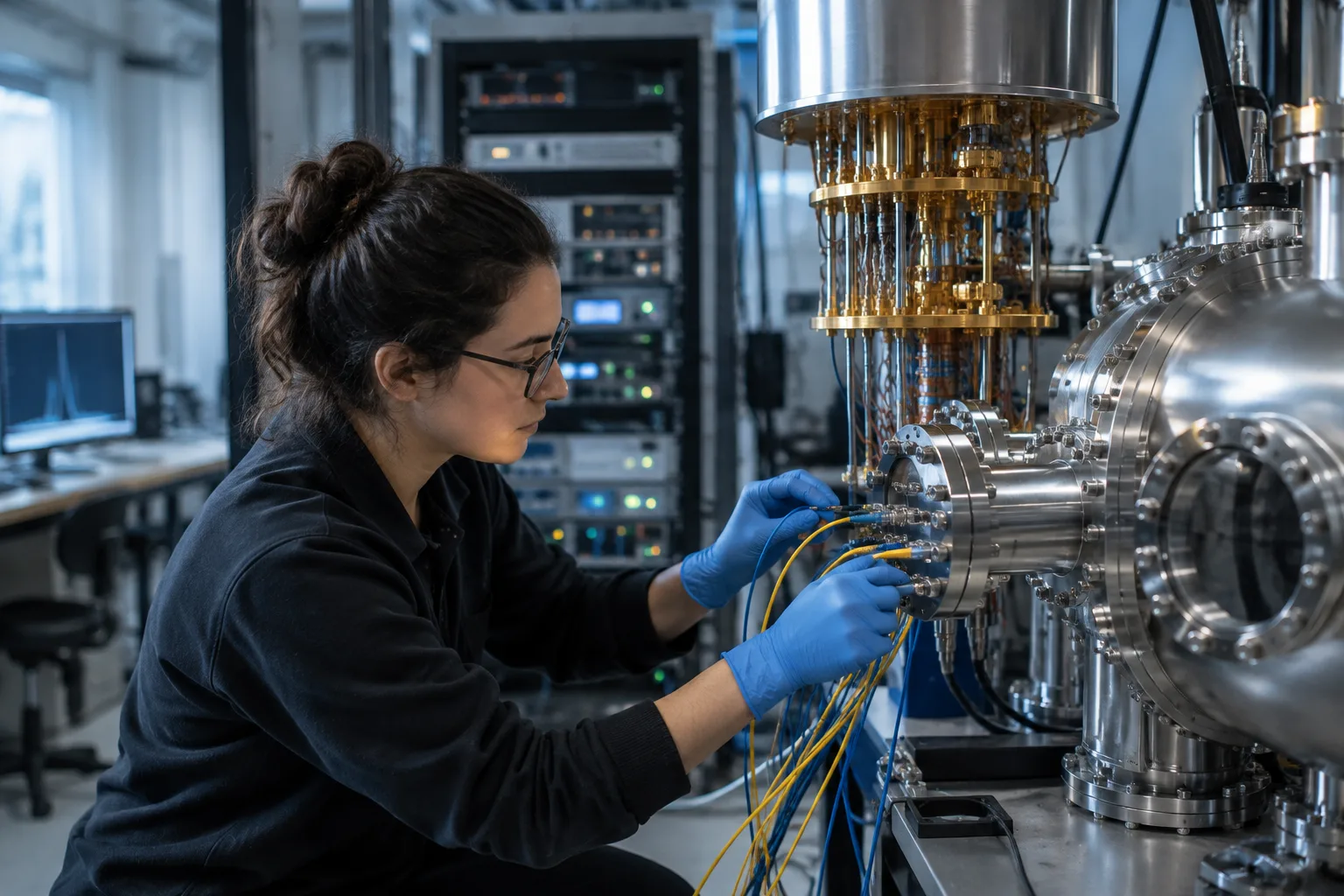
- Edge computing and 5G as resilience enablers, not just connectivity upgrades: localized processing can reduce latency for predictive maintenance (e.g., pumps, chillers, transformers) and keep essential services responsive during peak load.
This is where climate risk stops being a sustainability sidebar and becomes an enterprise data problem—one that demands the same rigor applied to cybersecurity, fraud, or supply-chain visibility.
The heat economy: tourism shocks, labor constraints, and grid stress collide
Extreme heat is often discussed as a public-health emergency, but it is also a compound economic event. France’s experience illustrates how multiple sectors can be hit simultaneously, creating cascading effects that standard contingency plans may not capture.
Tourism and cultural revenue are especially exposed. When iconic sites restrict access or close for safety, the losses extend beyond ticket sales to hotels, restaurants, local transport, and retail. Heat also changes consumer behavior—shortening outdoor activity windows and shifting spending toward cooling and essentials.
Labor productivity becomes a binding constraint. Outdoor and semi-outdoor work—construction, agriculture, logistics, municipal services—faces heat stress that can force schedule changes, slowdowns, or stoppages. This is likely to accelerate adoption of:
- Heat-aware workforce scheduling software that optimizes shifts around temperature and humidity thresholds
- Wearable biomonitoring for high-risk roles to detect early signs of heat strain
- On-site cooling and hydration systems designed as productivity infrastructure, not perks
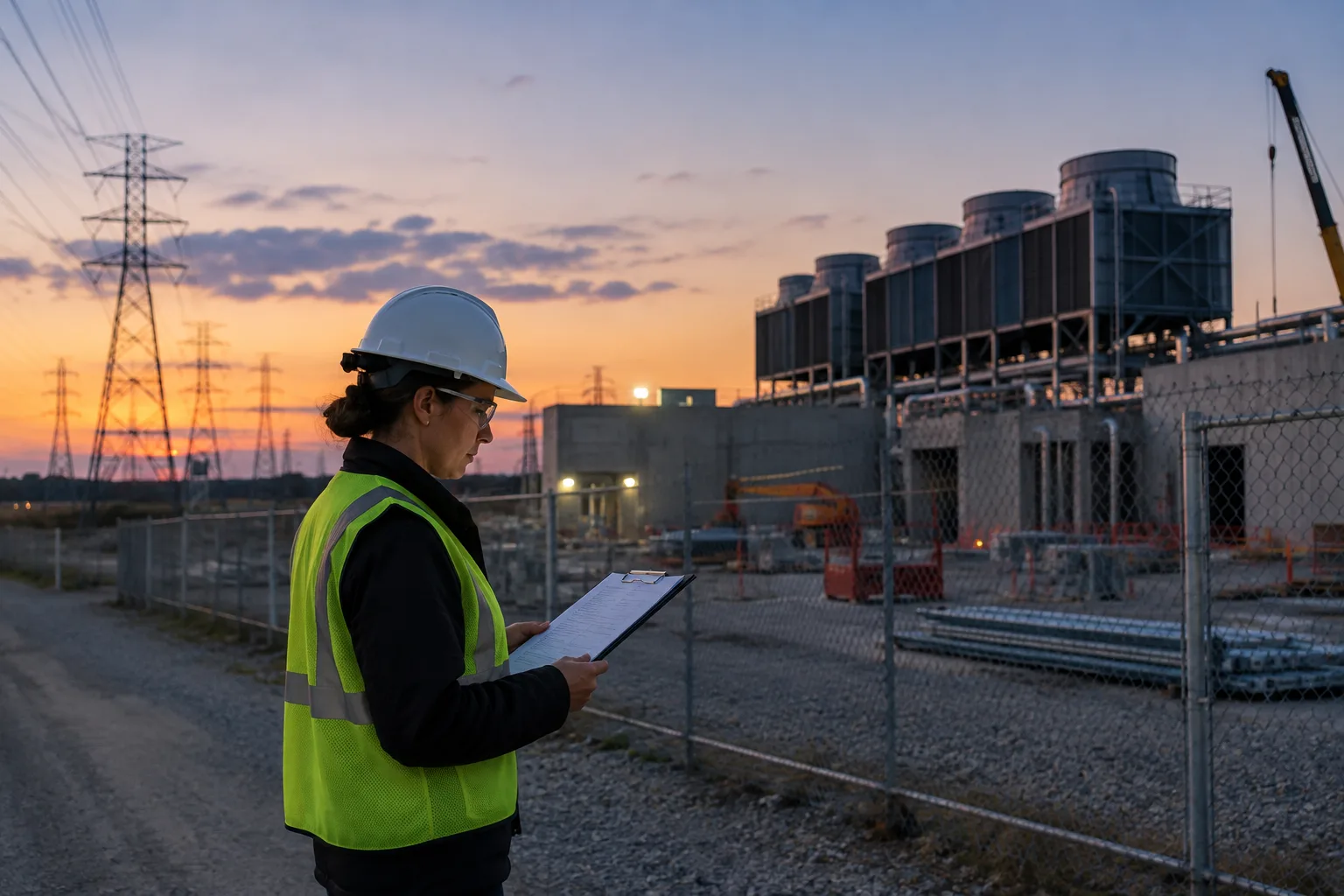
Meanwhile, energy systems face a paradox: electrification and renewables are central to decarbonization, yet heatwaves drive sharp spikes in electricity demand for cooling—often during periods that strain generation, storage, and distribution. This pushes investment toward a more flexible grid architecture:
- Smart grids with AI-driven demand forecasting and automated load balancing
- Decentralized microgrids for critical facilities and dense neighborhoods
- Grid-interactive efficient buildings (GEBs) that can modulate demand without sacrificing safety
- Renewed interest in dispatchable, lower-carbon firming options, including hydrogen-ready generation pathways where appropriate
The strategic point: resilience is no longer only about preventing outages; it is about maintaining service levels and protecting vulnerable populations under peak stress.
Policy acceleration and capital repricing: adaptation becomes investable
As heat extremes become more frequent and disruptive, regulatory and financial systems tend to respond in two ways: standards tighten and risk gets repriced.
On the policy side, pressure is likely to build for:
- Building codes that require passive cooling design, improved insulation, shading, and heat-resilient materials
- Stronger labor protections for heat exposure, including enforceable thresholds and rest requirements
- More consistent corporate climate-risk disclosures, often aligned with frameworks such as TCFD, to clarify exposure and adaptation readiness
In parallel, insurance and reinsurance markets are recalibrating models as heat risk becomes more quantifiable and more costly. That can mean higher premiums, tighter coverage terms, and a higher cost of capital for heat-exposed assets—unless companies can demonstrate credible adaptation measures.
This is where public–private collaboration becomes more than a talking point. Blended finance structures—government grants paired with private capital—can accelerate R&D and deployment in areas with clear demand signals:
- High-albedo coatings and heat-reflective materials
- Next-generation HVAC with lower global warming potential (GWP) refrigerants
- Water resilience technologies, including recycling, desalination, leak detection, and precision irrigation
France’s heatwave reads as a case study in how climate volatility is compressing timelines. The organizations that treat extreme heat as a design constraint—measured, modeled, and engineered into products, buildings, and operations—will be better positioned to protect earnings, safeguard people, and compete in a market where resilience is rapidly becoming a core attribute of modern infrastructure.

 By
By
 By
By
 By
By
 By
By

 By
By