
Black Friday’s Early Apple Bonanza: A Calculated Play Beneath the Surface
In a retail landscape already humming with anticipation, this year’s Black Friday season has arrived early—and with an unmistakable sense of urgency—particularly for Apple hardware. Major U.S. and international retailers have unleashed a wave of promotions on AirPods, Apple Watches, iPads, MacBooks, and even accessories like AirTags, weeks ahead of the traditional Cyber Week crescendo. The depth and timing of these discounts are not merely a function of holiday cheer, but a window into the subtle recalibrations underway in Cupertino’s global go-to-market strategy.
Key Observations:
- M-series MacBook Pros and the latest AirPods Pro with USB-C are now available at, or within a whisper of, their historical price floors.
- Channel checks indicate further markdowns are likely on wearables and entry-level iPads, while notebook pricing may have already bottomed out.
- The pattern echoes Apple’s moves in 2022 and 2023, when similar discounting was deployed to counteract softening discretionary demand and to clear the decks before new silicon launches.
Inflation, Competition, and the New Rules of Holiday Engagement
The macroeconomic backdrop is as complex as ever. While headline U.S. inflation has moderated to 3.2% year-over-year, the uneven distribution of real wage growth has left retailers little choice but to stimulate demand earlier and for longer. For consumers, the message is clear: wait too long, and the best deals may already be gone.
Apple’s approach this season represents a marked departure from its usual pricing discipline. Historically, the company has reserved meaningful discounts for previous-generation devices, maintaining a premium aura around its latest hardware. The current willingness to slash prices on current-generation products signals a strategic pivot—one that prioritizes velocity and installed-base expansion over short-term margin protection.
Competitive Pressures Intensify:
- Premium Android handsets have seen average selling prices compress by 4–6% year-to-date, with Samsung, Google, and Chinese OEMs bundling tablets and earbuds to sweeten the deal.
- PC manufacturers, leveraging Intel’s Meteor Lake and AMD’s Hawk Point launches, are undercutting MacBooks on price-per-watt, intensifying the battle for premium notebook share.
Inventory data further underscores the urgency: U.S. channel inventory for Apple silicon notebooks surged 18% quarter-over-quarter exiting September. Early promotions are thus not just about stimulating demand—they are a calculated effort to reduce carrying costs ahead of a likely late-Q1 or March silicon refresh.
The Strategic Calculus: Services, Silicon, and the Expanding Moat
Beneath the surface, Apple’s early Black Friday push is about more than moving boxes. Each discounted AirPod, Watch, or iPad is a conduit into the company’s high-margin Services ecosystem—Music, Fitness+, Cloud, and Pay. While hardware gross margins may compress by 100–150 basis points this quarter, the accelerating growth of Services (now 26% of total revenue) acts as a powerful offset.
The aggressive pricing on “M5”-branded iPads and record lows on M-series MacBooks offer a clear signal: Apple is clearing the channel for an imminent leap in silicon architecture, likely built on TSMC’s advanced N3E node. Customers snapping up discounted devices today are, in effect, financing Apple’s next generational shift.
Wearables, meanwhile, are evolving from luxury accessories to health-platform beachheads. The proliferation of advanced sensors in discounted Watch Series 11 and SE 3 models—SpO₂, temperature, Ultra-Wideband Gen 2—broadens Apple’s data footprint, laying the groundwork for future preventative-health services and potential payor partnerships.
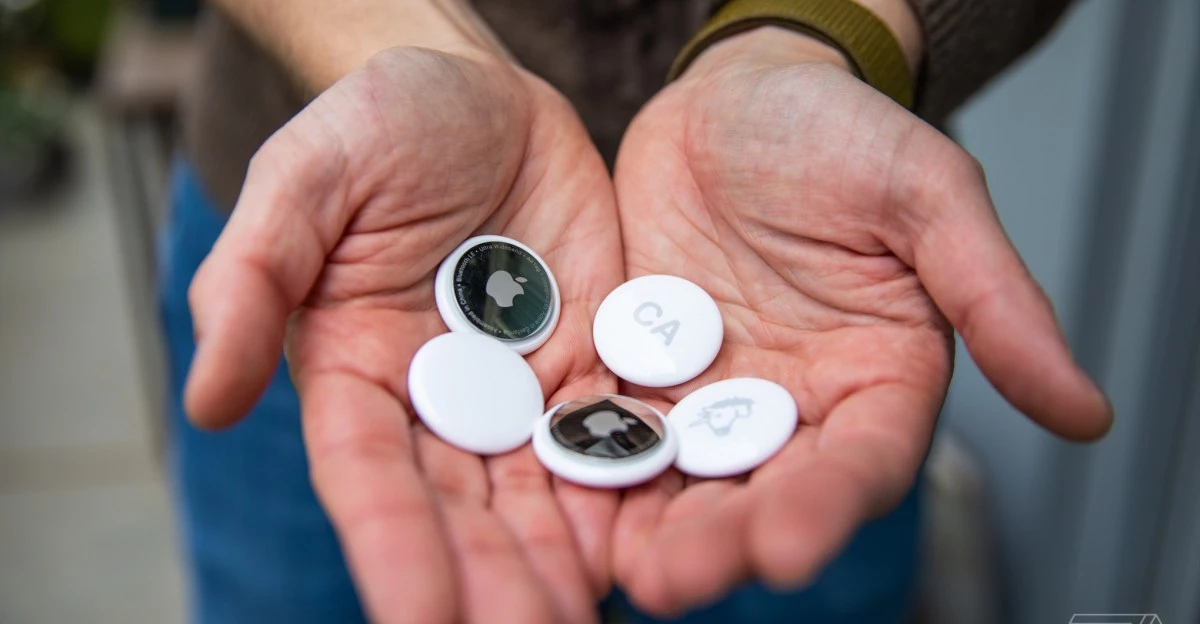
The ecosystem moat is also deepening. Entry-level AirTags and Apple Pencil Pro, now more accessible than ever, lower the marginal cost of multi-device ownership. This is a critical bulwark as regulatory scrutiny, particularly under the EU’s Digital Markets Act, threatens Apple’s cross-service bundling advantages.
Implications for Industry Leaders: Navigating the New Holiday Playbook
For executives across retail, technology, and supply chain, the implications are profound:
- Revenue and Margins: Expect Q1 FY24 hardware revenue to be flat or slightly negative year-over-year, but Services to accelerate by over 12%, sustaining blended gross margin resilience. Watch for Apple’s January earnings call for clues on attach rates—a sequential uptick would validate the discount-for-services thesis.
- Supply Chain Dynamics: Robust holiday sell-through could tighten advanced wafer supply in early 2024, potentially constraining competitors and giving Apple priority at TSMC.
- Channel Strategy: If early discounting proves effective, Apple may institutionalize a two-phase holiday promotion calendar, forcing rivals to follow suit and further compressing their margins.
- Regulatory Watchpoints: As Apple’s device base widens, so does its exposure to antitrust action. Executives should prepare for scenarios requiring greater interoperability of Apple’s core platforms.
For retailers and e-commerce leaders, the lesson is clear: promotional calendars must adapt to an elongating holiday window, and service bundles are now table stakes. Semiconductor suppliers should align capacity with an accelerated M-series refresh, while competing OEMs must look beyond price, doubling down on AI and open-ecosystem differentiation.
The early, aggressive Black Friday discounts on Apple hardware are not simply a retail event—they are a strategic maneuver, reshaping the competitive landscape and setting the stage for Apple’s next act. Those who see only the surface may miss the deeper currents that will define the industry’s future.


 By
By

 By
By
 By
By

 By
By
 By
By