


A Brewing Storm: Labor Unrest and the Architecture of Modern Retail
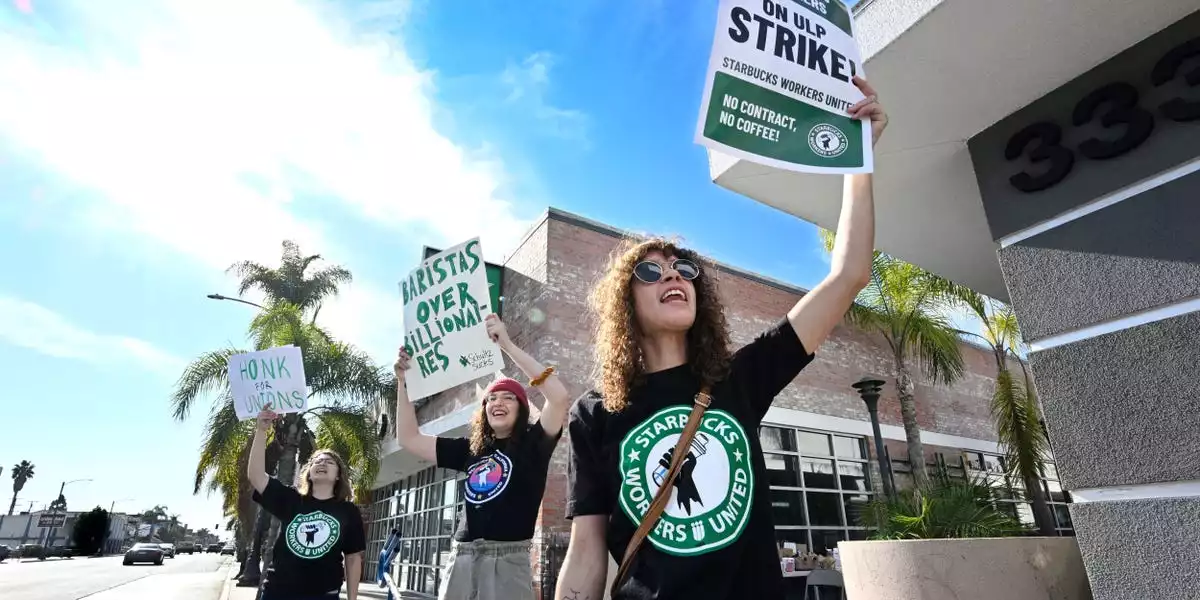
In more than 40 American cities, the familiar aroma of Starbucks coffee now mingles with the unmistakable scent of labor unrest. Over 65 unionized stores, from Seattle to Atlanta, have shut their doors in a coordinated strike—timed with surgical precision to coincide with the company’s lucrative “Red Cup Day.” This annual event, a linchpin in Starbucks’ holiday marketing arsenal, typically sends same-store sales and app downloads surging. But this year, baristas have seized the moment, leveraging the day’s digital and physical foot traffic to amplify their demands for progress at the bargaining table—a table that has sat largely idle since the first store unionized in 2021.
The walkout marks the fourth such action since Brian Niccol assumed the CEO mantle in September 2024. It unfolds against a backdrop of seismic change: a $1 billion restructuring plan that has closed more than 600 stores, trimmed headcount, and funneled capital into digital and automation initiatives. Yet, the company’s share price has sagged over 5% year-to-date, and the chorus of scrutiny from lawmakers, institutional investors, and the public has grown louder. The National Labor Relations Board, hamstrung by chronic understaffing, has become a bottleneck, slowing union certifications and leaving many baristas in a state of legal limbo.
The High-Stakes Economics of a Digital-First Labor Showdown
The timing of this strike—deliberately overlapping with Red Cup Day—underscores the evolving playbook of labor action in tech-enabled retail. For Starbucks, Red Cup Day is not merely a promotional flourish; it is a high-margin event that lifts transaction volumes and drives mobile app engagement. Disruptions on this day threaten to compress operating margins already under siege from inflationary pressures—coffee prices have jumped 16% year-over-year, and wage inflation continues its inexorable climb.
Management’s willingness to wield a $1 billion restructuring budget signals a readiness to reshape the business, yet the optics of heavy capital expenditures and robust executive compensation, juxtaposed against stagnant barista wages, have stoked the fires of political and shareholder activism. The cost of capital is no longer a function of financial engineering alone; ESG (Environmental, Social, and Governance) metrics—particularly the “S” for social—now command a premium. Asset managers overseeing more than $40 trillion are recalibrating their portfolios, and labor disputes can trigger exclusionary screens, exerting downward pressure on equity valuations.
Options-market volatility is rising, and activist investors are circling, keenly aware that union-related disruptions in consumer discretionary sectors have historically led to quarterly earnings misses of 3-5%. The specter of further unrest looms, with the potential for board-level shakeups if labor expertise is not swiftly integrated into the company’s governance.
Automation, Data, and the Paradox of Digital Engagement
Starbucks’ response to these pressures is not limited to the bargaining table. The company has quietly accelerated pilots of Mastrena II espresso systems, AI-driven inventory tools, and order sequencing software. Labor unrest may serve as the catalyst that pushes automation from pilot to full-scale deployment—particularly in cold beverage preparation and drive-thru order batching, where unit labor hours could be reduced by up to 15%.
Yet, this technological pivot is fraught with risk. Red Cup Day’s digital promotions are designed to drive app loyalty and data collection; interruptions risk diluting the company’s data graph, undermining efforts in personalized marketing, dynamic pricing, and AI-driven menu optimization. Starbucks’ deep store-level telemetry provides a powerful tool for modeling unionization hotspots, but the ethical deployment of predictive labor analytics is under increasing regulatory scrutiny. The paradox is clear: the same digital infrastructure that powers operational efficiency can also become a flashpoint for labor activism and reputational risk.
The Broader Canvas: Labor, Automation, and the Future of Stakeholder Capitalism
The Starbucks strike reverberates far beyond its own stores. Competitors like Peet’s, Dutch Bros, and Panera are watching closely, aware that a management misstep could reset labor expectations across the sector. The tight U.S. labor market, persistent services inflation, and the falling cost curve for automation—robotic barista capex now sits below $120,000 per unit—are reshaping the calculus of store formats and workforce planning.
For decision makers, the implications are profound:
- Timing labor actions with digital promotions magnifies leverage—any consumer platform reliant on spike events is exposed.
- ESG capital now prices labor relations as rigorously as carbon intensity; CFOs must integrate “S-Beta” into their cost of capital models.
- Automation roadmaps demand robust human-capital communication strategies to preempt the narrative risk of “robots versus jobs.”
- Regulatory bottlenecks create liminal periods where negotiation skill becomes a competitive differentiator.
The “Red Cup Rebellion” is not merely a Starbucks story—it is a harbinger for the next era of retail, where the collision of digital strategy, labor activism, and stakeholder capitalism will define winners and losers. Those who can harmonize operational resilience, authentic corporate purpose, and the strategic deployment of technology will shape the future of work—and the future of business itself.

 By
By
 By
By
 By
By
 By
By



 By
By







