


The Slide-Out Revolution: Ayaneo’s Audacious Bid to Redefine the Gaming Smartphone
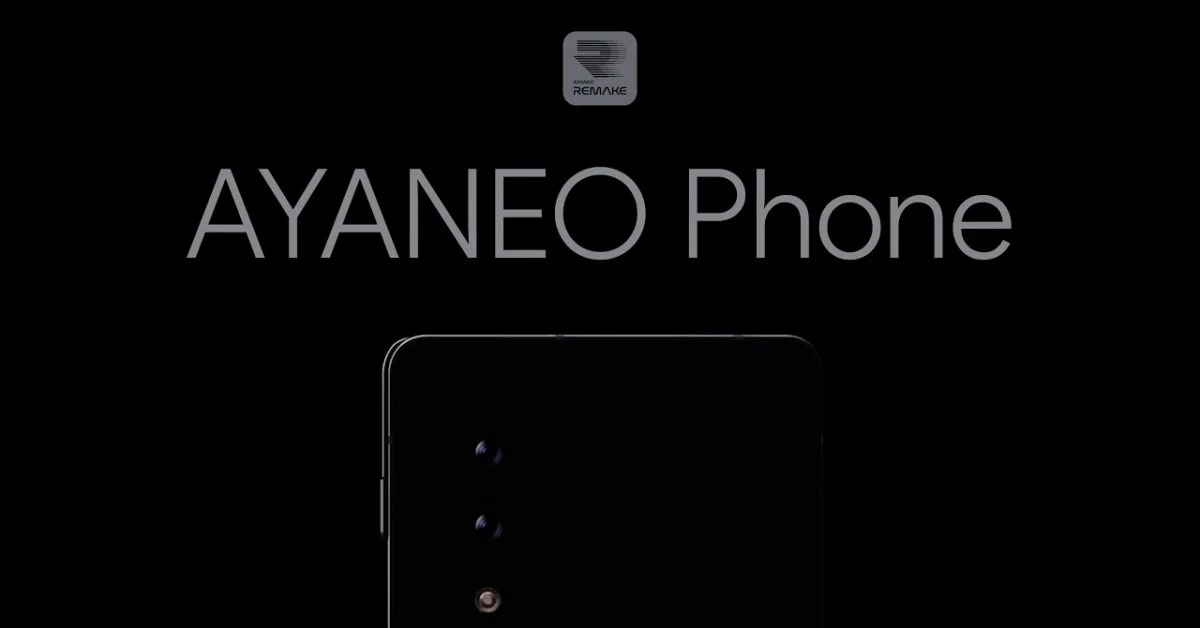
In the ever-evolving landscape of consumer electronics, moments of genuine category innovation are rare. Ayaneo, a brand revered in retro gaming circles for its meticulously crafted Windows handhelds, now signals its intent to disrupt the smartphone status quo. The company’s recent teaser—showcasing a device with a classic candy-bar silhouette, dual rear cameras, and, most provocatively, hints of a concealed slide-out control deck—invites speculation not just about specs, but about the very nature of mobile gaming itself.
Where Handset Meets Handheld: Challenging the Gaming Phone Paradigm
The smartphone market, long characterized by relentless iteration and incrementalism, is now a patchwork of specialist niches. While overall unit shipments stagnate, sub-categories like foldables, ruggedized devices, and gaming phones are quietly thriving, each posting mid-single-digit compound annual growth. Yet, within the gaming segment, innovation has largely been skin-deep. Incumbents such as ASUS (ROG Phone), Nubia (RedMagic), and Xiaomi (Black Shark) have waged a war of thermals and silicon, focusing on chipsets and cooling rather than reimagining the interface itself.
Ayaneo’s gambit is different. By embedding physical, console-grade controls directly into the phone’s chassis—eschewing the snap-on gamepads and capacitive overlays that dominate the field—the company is betting on a new ergonomic ideal. Shoulder buttons and a slide-out deck transform the device from a mere phone into a landscape-first gaming instrument, promising to alleviate the latency, fatigue, and imprecision that plague touchscreen play. The echoes of the Xperia Play and BlackBerry Priv are unmistakable, but where those devices faltered amid mechanical and thermal challenges, Ayaneo’s engineering pedigree and lessons learned may prove decisive.
Engineering the Future: Design, Silicon, and the Software Stack
The technical stakes are formidable. A dual-layer chassis with a sliding mechanism introduces torsional stresses and reliability risks—issues that have historically bedeviled similar form factors. To succeed, Ayaneo must achieve sub-10mm thickness while ensuring hinge durability and effective heat dissipation. The embedded controls, meanwhile, free up precious frontal real estate, opening possibilities for enhanced vapor-chamber cooling and symmetrical airflow—subtle but significant advantages in sustained gaming performance.
Silicon choice will be equally telling. While Ayaneo’s Windows handhelds have leveraged AMD’s mobile APUs, the smartphone context likely necessitates a Qualcomm Snapdragon or MediaTek Dimensity platform. Yet, for a boutique manufacturer, securing flagship-grade silicon is a logistical and economic challenge. A compromise here—opting for a lower-tier SoC—could undermine the entire marketing narrative of console-class performance.
On the software front, expectations are high for a custom Android launcher capable of seamless button mapping and per-title presets. Anything less would squander the hardware’s promise, reducing the experience to that of a glorified Bluetooth controller. The potential to preload cloud gaming clients such as Xbox Cloud Gaming or GeForce NOW further positions the device as a portal to AAA experiences, untethered from local processing constraints.
Economics, Ecosystem, and the Competitive Ripple
The economics of such an endeavor are complex. Bill of materials inflation, driven by memory and NAND price fluctuations, is partially offset by recent declines, but the mechanical intricacies of a slider drive costs back up. Unlike mass-market smartphones, niche gaming handsets can command higher average selling prices and margins—often exceeding 20%—but only if production runs remain tightly controlled. Ayaneo’s likely reliance on a white-label ODM in Shenzhen and a direct-to-consumer e-commerce model mirrors its handheld strategy, but the regulatory hurdles of global certification and 5G band support loom large, especially for a U.S. launch.
Strategically, the move risks cannibalizing Ayaneo’s own Windows handhelds. Yet, by offering cross-device features—cloud save synchronization, modular accessories—the company can frame its products as complementary, not competitive. Integrated controls also create a quasi-proprietary platform, opening doors to indie partnerships and revenue-sharing storefronts. If successful, this approach could force established gaming phone brands to revisit their own hardware philosophies, nudging the entire segment toward controller-native designs.
Toward a New Synthesis in Mobile Gaming
Ayaneo’s smartphone initiative is more than a product launch—it is an attempt to collapse the distinction between daily-carry handsets and dedicated gaming consoles. If the company can reconcile mechanical reliability with flagship performance and foster a developer ecosystem that embraces its controller API, the device could catalyze a broader redefinition of what it means to be a gaming phone. In a world where cloud-edge infrastructure is rapidly maturing and mobile eSports demand ever-greater hardware parity, the timing could prove prescient.
As the industry watches for confirmation of SoC selection, mechanical endurance, and developer adoption, one thing is clear: the future of mobile gaming may well hinge on the tactile, not just the technical. Ayaneo’s bold experiment stands as a testament to the enduring power of hardware innovation, even in the most saturated of markets.


 By
By
 By
By

 By
By


 By
By







