
The Hidden Geometry of Modern Undercover Operations
In the shadowy intersection of human intelligence and machine surveillance, the story of former FBI agent Scott Payne reads like a parable for our era. For over two decades, Payne infiltrated the inner sanctums of violent biker gangs and white-supremacist cells, his very survival dependent on a delicate choreography of deception, trust, and technology. Today, his legacy reverberates far beyond law enforcement, shaping how corporations and governments confront a rising tide of ideologically motivated threats.
The evolution of Payne’s tradecraft—from bulky body wires to today’s AI-augmented edge sensors—mirrors the broader transformation of security in the digital age. As extremist groups and corporate actors alike weaponize the tools of surveillance and counter-surveillance, the boundaries between physical and digital risk dissolve, demanding a new paradigm of resilience.
Surveillance, Counter-Surveillance, and the Arms Race of Intelligence
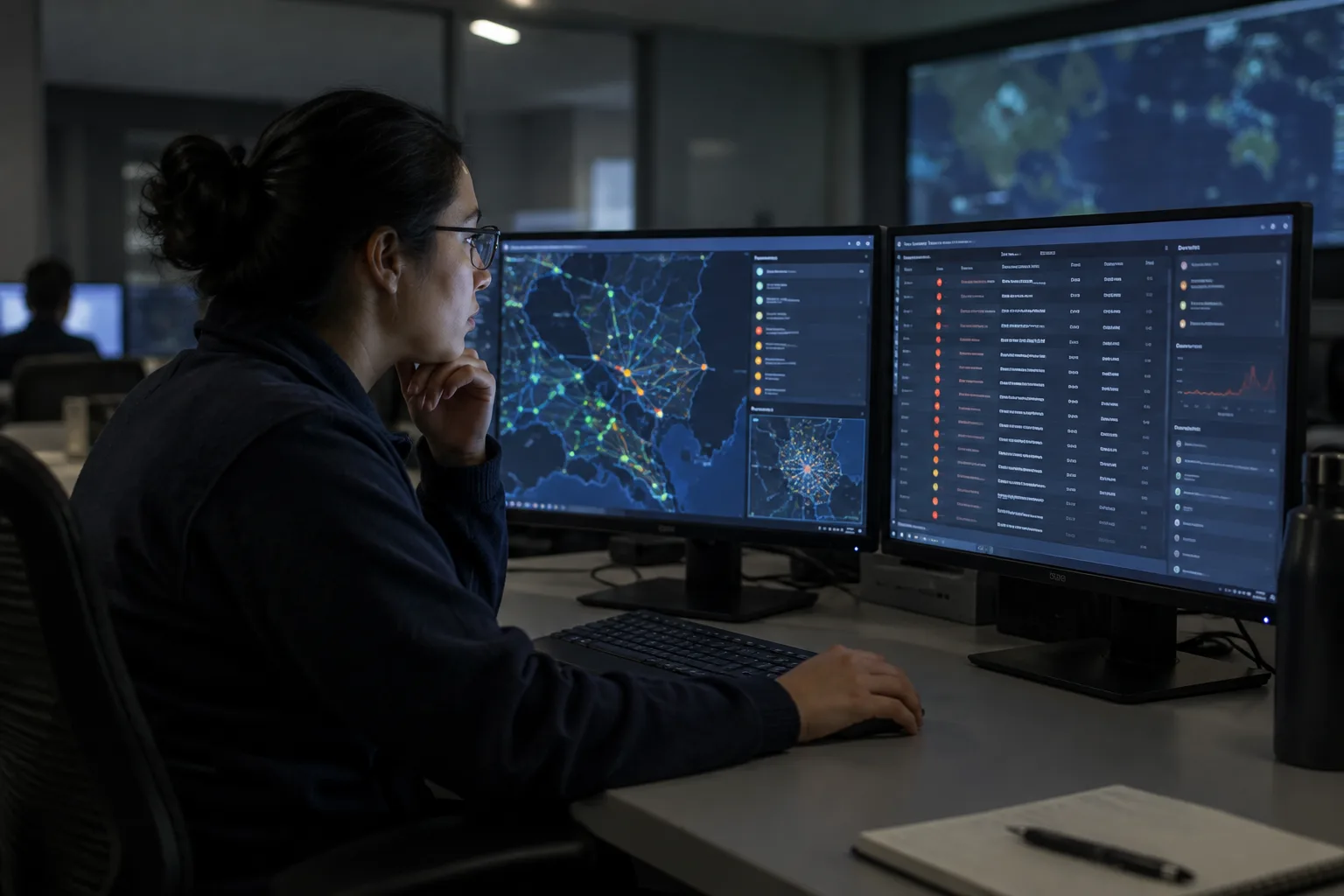
The technological arms race that once played out in the alleys and safehouses of Payne’s undercover world now unfolds in boardrooms and server farms. The miniaturization of sensors and the advent of edge AI have compressed the latency between field intelligence and command-center analytics to mere seconds. Modern agents, whether in law enforcement or corporate security, deploy sub-GHz mesh networks and LEO satellite relays, fusing audio, geolocation, and biometric data into actionable intelligence streams.
Yet, as surveillance tools grow more sophisticated, so too do the countermeasures. Extremist groups increasingly rely on commodity RF scanners, software-defined radio kits, and open-source encryption—creating a cat-and-mouse dynamic that echoes the relentless contest between cyber criminals and corporate defenders. The tools that once protected undercover agents can now be turned against them, as adversaries harness deep-fake media, generative text, and social-network manipulation to unmask infiltrators or stage influence campaigns.
This technological convergence is not confined to the realm of public safety. The same graph analytics that underpinned Payne’s HUMINT operations now drive fraud detection in fintech and supply-chain risk management. The lessons of the undercover world—adaptability, multi-modal data fusion, and behavioral nuance—are rapidly becoming best practices for any organization facing asymmetric threats.
Economic Reverberations and the Corporate Imperative
The growing sophistication of ideologically motivated threats has profound economic implications. Global spending on domestic-terrorism prevention, insider-threat software, and duty-of-care solutions is projected to surpass $37 billion by 2027. Vendors capable of integrating human intelligence context with cyber telemetry are poised to capture a disproportionate share of this expanding market.
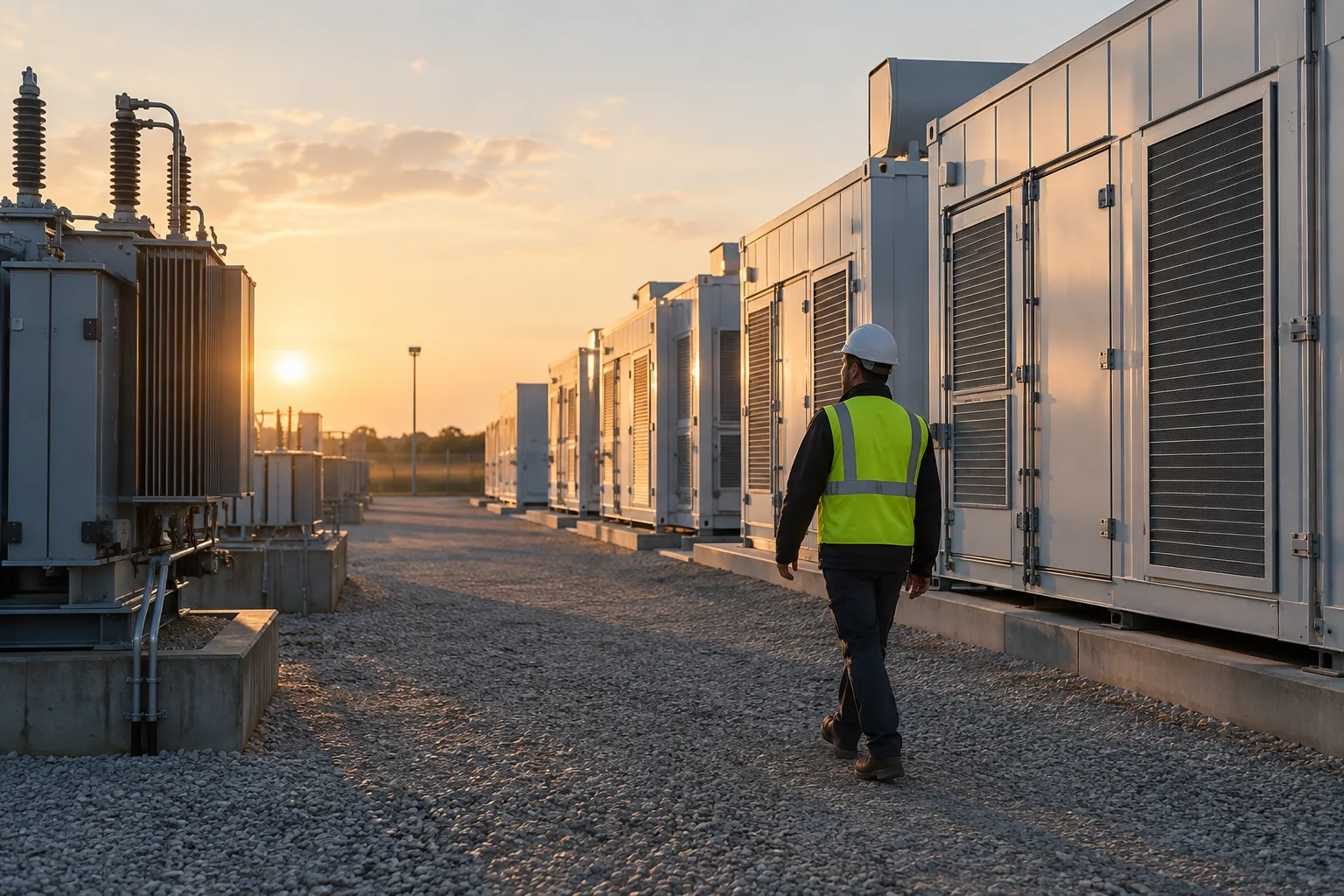
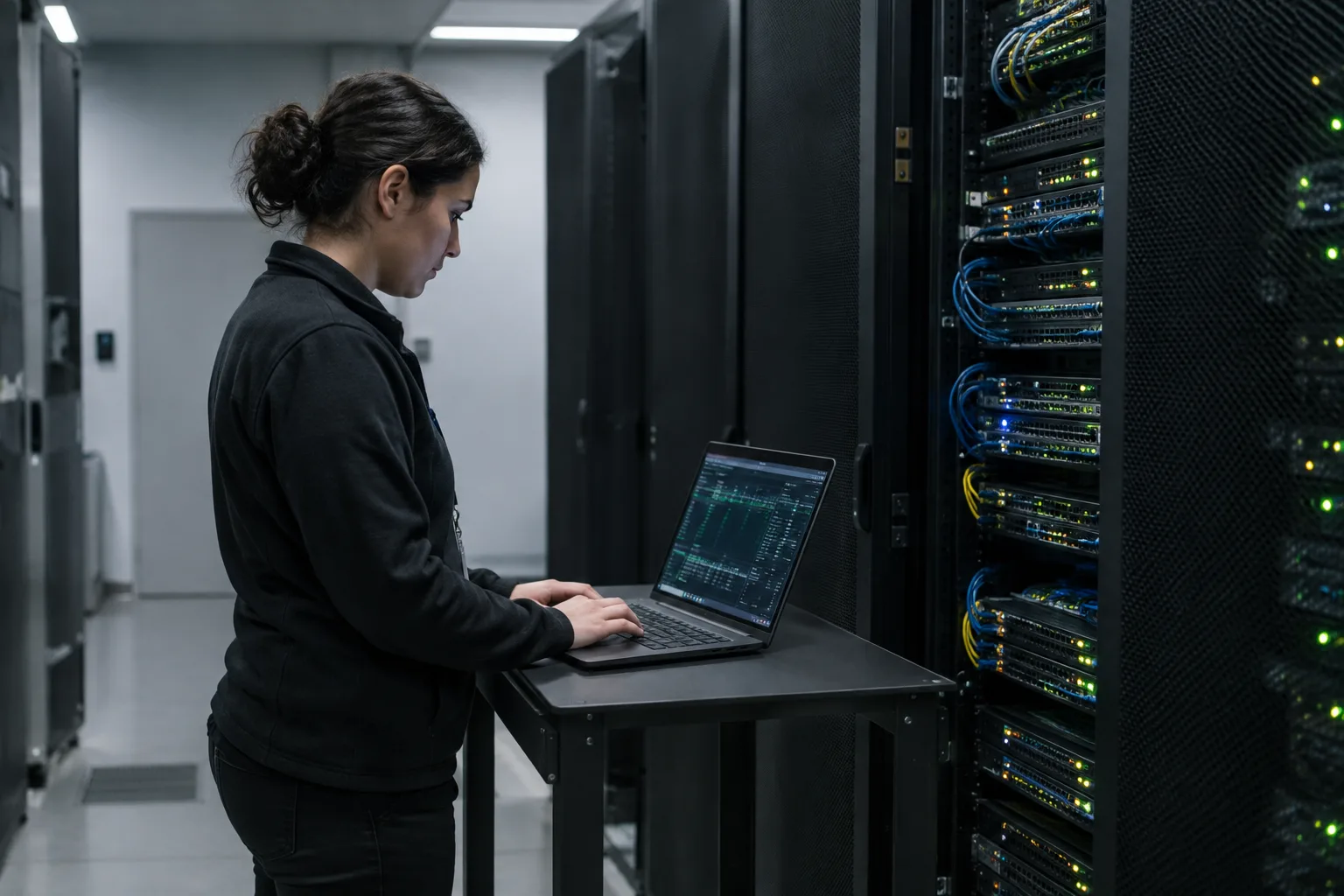
For insurers and underwriters, the stakes are equally high. Terrorism riders and business-interruption policies are being recalibrated to reflect the reality of extremist attacks on logistics hubs, data centers, and distributed workforces. Corporate boards unable to demonstrate robust, converged resilience programs face premium hikes of up to 25%, underscoring the financial imperative to bridge physical and digital security domains.
Perhaps most striking is the impact on workforce management. Payne’s experience—navigating the psychological terrain of radicalized groups—now finds its analogue in the corporate world, where HR departments report double-digit annual increases in internal investigations linked to extremist content on collaboration platforms. Screening, continuous vetting, and psychological-safety programs are no longer mere compliance exercises; they are strategic necessities in an era of polarized workforces.
Strategic Playbook for the New Age of Risk
For executives and security leaders, the lessons from Payne’s career are both urgent and actionable:
- Converged Security Architecture: Integrating physical and cyber security operations centers enables real-time, cross-domain anomaly detection. Isolated data silos risk missing the subtle behavioral cues that often precede major incidents.
- Stakeholder Intelligence Networks: Beyond traditional ISACs, cross-industry “fusion cells” can pool anonymized telemetry on extremist chatter, emulating the collaborative orchestration that underpinned Payne’s most successful stings.
- Resilience-First Capital Allocation: Factoring domestic terrorism and insider threats into capital planning allows organizations to identify and fortify chokepoints in supply chains and data governance frameworks.
Looking ahead, the landscape will only grow more complex. AI-driven extremism detection platforms will scrape fringe channels and map sentiment trajectories, raising new questions about privacy and governance. Quantum-resilient covert communications will become essential as quantum decryption services proliferate on illicit markets. Continuous trust scoring—blending social, behavioral, and psychometric signals—will enter the HR mainstream, demanding new frameworks for oversight and fairness.
As stories of extremist infiltration and sabotage ripple through the media, the ability to quantify and model reputational contagion will become a differentiator for investors and boards alike. In this environment, the lessons of Payne’s undercover journey—adaptability, collaboration, and the seamless integration of human and technological intelligence—offer a blueprint for resilience in a world where the boundaries of risk are constantly redrawn.

 By
By
 By
By
 By
By
 By
By
 By
By


 By
By