
Turbulence at 35,000 Feet: The New Economics of Passenger Disruption
The modern airline cabin, once a symbol of seamless global mobility, now finds itself at the intersection of social volatility and operational stress. Disruptive-passenger incidents—once rare enough to be dismissed as statistical noise—have become a persistent drumbeat, echoing across flight decks and boardrooms alike. The Federal Aviation Administration’s latest figures are sobering: 1,205 unruly-passenger cases reported by late September 2023, already outstripping the full-year tally from 2020. While the incident rate per 10,000 flights has retreated from the pandemic’s fever pitch, the absolute volume remains stubbornly elevated, reshaping the risk calculus for airlines, airports, and the entire travel-tech ecosystem.
Anatomy of a Systemic Risk: From Cabin Density to Behavioral Analytics
The causes of this turbulence are as layered as the skies themselves. The pandemic’s aftershocks linger in the psyche of travelers, amplifying stress and normalizing confrontational behavior—often broadcast in real time via social media. A surge in leisure demand, particularly from first-time or infrequent flyers unfamiliar with cabin etiquette, further tips the scales toward volatility.
Yet the cabin itself has become an accelerant. Airlines, racing to restore capacity, have packed seats tighter and stretched crew-to-passenger ratios thinner than ever. This “density friction” is not just anecdotal; statistical models show a clear correlation between crowded cabins and elevated incident rates. Compounding the issue, the industry’s labor pipeline is shallow, with flight-attendant attrition eroding the conflict-management expertise so critical in moments of crisis.
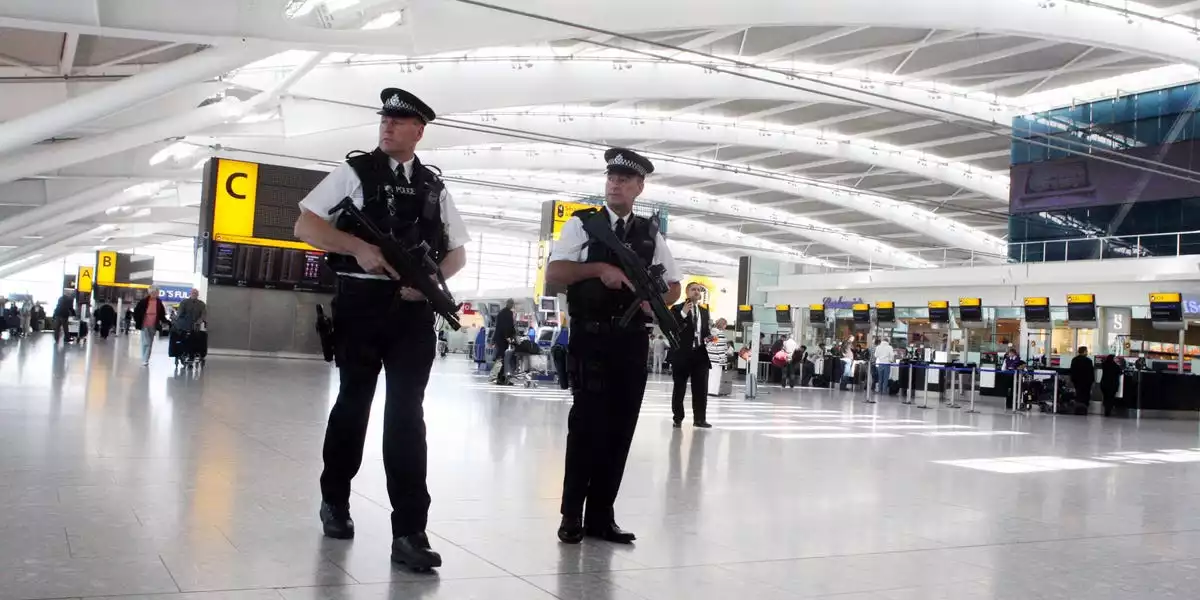
Technology, meanwhile, has lagged behind the threat. While security screening excels at intercepting physical contraband, it does little to anticipate behavioral risk. Most airlines remain reactive, lacking the predictive tools—rooted in biometrics, real-time sentiment analysis, or advanced analytics—that could flag agitation before it erupts at 35,000 feet.
The Financial and Regulatory Fallout: Costs, Compliance, and Competitive Edges
The implications of this new normal are profound, extending far beyond the immediate disruption of a diverted flight. Direct costs—fuel, crew overtime, maintenance, and litigation—can easily reach $150,000 to $200,000 per incident. Indirectly, each viral episode chips away at brand equity and Net Promoter Scores, particularly among premium travelers for whom safety is non-negotiable.
Insurers, alert to the mounting legal exposure, are recalibrating premiums and deductibles based on unruly-passenger metrics. Those airlines that can credibly demonstrate mitigation—through advanced crew training, predictive analytics, or modular cabin barriers—may unlock savings reminiscent of the telematics revolution in auto insurance.
Regulators, too, are retooling. The FAA is weighing expanded rule-making that ties slot allocations to safety compliance, while European authorities debate mutual-recognition blacklists and biometric boarding mandates. The International Civil Aviation Organization’s push for a global digital incident registry could soon make passenger behavior as trackable—and consequential—as checked baggage.
Innovation at the Gate: Technology and Strategy in the Age of Disruption
A new wave of countermeasures is emerging, promising to shift the paradigm from reaction to prevention. Edge AI and computer vision systems, deployed at the gate, can now analyze micro-expressions and agitation markers, flagging high-risk passengers before boarding. In-cabin IoT sensors and acoustic monitoring offer real-time detection of escalating aggression, while biometric identity linkage—potentially secured via blockchain—enables rapid, privacy-conscious enforcement of no-fly lists across jurisdictions.
Airlines are also reimagining crew training through VR-based scenario drills, building de-escalation muscle memory without monopolizing costly simulators. On the commercial front, airports and concessionaires are experimenting with “serenity lounges” and staggered boarding technologies to diffuse choke points, while InsurTech innovators eye usage-based premiums tied to real-time cabin-behavior analytics.
The competitive landscape is shifting as well. There is whitespace for alliances to co-fund shared blacklists and standardized training, transforming safety from a compliance obligation into a cooperative differentiator. For forward-thinking carriers, treating unruly-passenger mitigation as a board-level KPI—on par with cybersecurity—could unlock not just operational resilience, but also a reputational moat in an industry where trust is currency.
The future, then, belongs to those who can fuse predictive technology, adaptive cabin economics, and proactive regulatory engagement. As Fabled Sky Research has observed, the challenge is not merely to contain disruption, but to convert it into a catalyst for innovation—fortifying the fragile compact between airline and passenger that underpins the very act of flight.

 By
By
 By
By
 By
By
 By
By
 By
By


 By
By