
Brevard’s Metamorphosis: Experience Economy and the Rural Renaissance
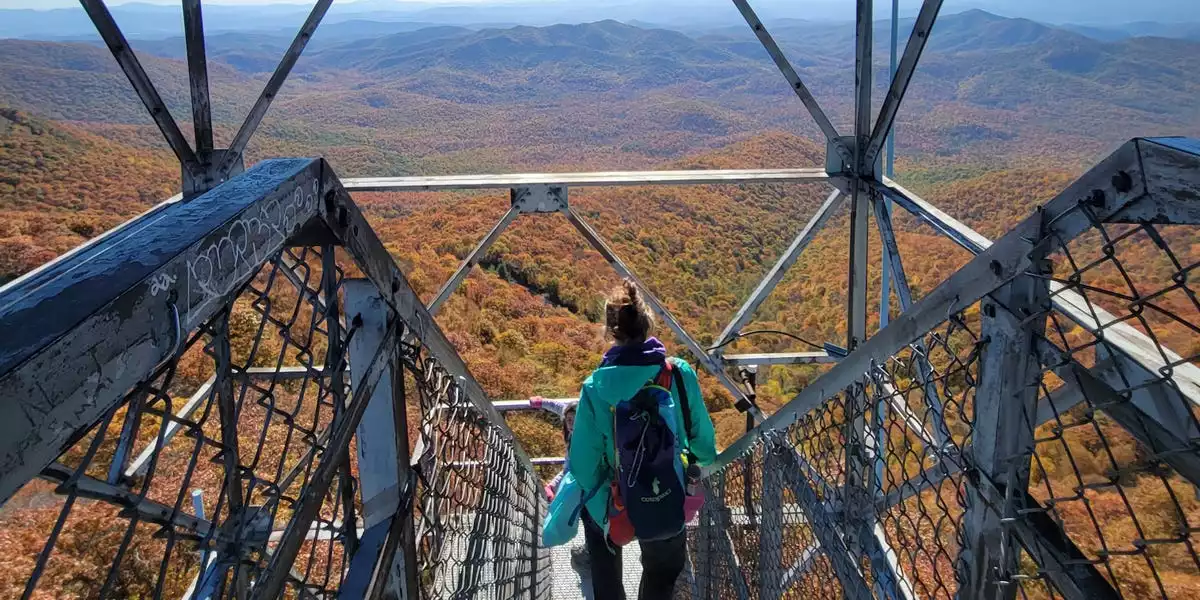
Nestled in the shadow of the Blue Ridge, Brevard, North Carolina, is quietly rewriting the playbook for rural economic resurgence. Once a sleepy Appalachian town, Brevard has become a living laboratory for the modern “experience economy,” where curated moments, digital connectivity, and environmental capital converge to create a destination that is both authentic and agile. The town’s ascent is not merely a product of autumnal foliage or charming boutiques; it is the result of deliberate strategy, technological enablement, and a nuanced understanding of shifting consumer values.
The New Geography of Desire: How Secondary Markets Are Winning
The pandemic era catalyzed a seismic shift in travel behavior. Urban density lost its allure, replaced by the promise of open-air escapes and drive-to destinations. Brevard’s rise is emblematic of a broader trend: second-tier towns with compelling outdoor ecosystems are siphoning market share from legacy tourism hubs. This migration is not accidental—it is engineered through a trifecta of:
- Seasonal Programming: Events like Pumpkin Fest and the enigmatic “Shadow of the Bear” extend the economic pulse beyond the traditional leaf-peeping window. This “temporal diversification” stabilizes revenue for local merchants, transforming what was once a fleeting autumnal rush into a year-round economic engine.
- Inclusive Access: Attractions such as Looking Glass Falls are designed with mobility in mind, echoing the national push for ADA-compliant tourism and catering to the aging traveler demographic. Accessibility is no longer a compliance checkbox; it is a growth strategy.
- Retail Resilience: The town’s specialty stores—O.P. Taylor’s, D.D. Bullwinkel’s—offer tactile, narrative-rich experiences that e-commerce cannot replicate. In Brevard, shopping is not a transaction; it is an act of discovery.
Digital Enablement: The Invisible Hand Guiding the Visitor Journey
Brevard’s success is not solely rooted in its natural assets. The town has embraced a sophisticated digital toolkit, blurring the line between Main Street and the metaverse. Municipalities like Brevard are deploying:
- Geo-Targeted Marketing: Programmatic ad buys and micro-influencer campaigns geo-fence urban populations within a 300-mile radius, driving visitation with surgical precision and minimal customer acquisition cost.
- Data-Driven Trail Management: With over 1,000 miles of trails, Brevard is piloting crowd analytics and sensor networks to optimize foot traffic, mitigate environmental impact, and inform dynamic pricing for parking—an ESG-forward approach that preserves both the landscape and the town’s reputation.
- Remote-Work Infrastructure: As broadband capacity expands—fueled by state and federal investments—Brevard is poised to capture the “work-cation” demographic, transforming mid-week lulls into vibrant periods of economic activity.
Navigating Growth: Risks, Opportunities, and the Next Horizon
With opportunity comes complexity. The temporary closure of Davidson River Campground, for example, removes 160 campsites and threatens to displace millions in visitor spend. This disruption, however, is also a call to innovate—private glamping operators and alternative lodging providers are well-positioned to absorb the overflow, diversifying the local hospitality landscape.
The surge in visitation also underscores the need for robust conservation finance. As social media accelerates Brevard’s visibility, public-private partnerships must scale trail maintenance and watershed protection to ensure that the town’s environmental capital is not a victim of its own success.
Forward-thinking recommendations for Brevard and similar destinations include:
- Digital Twin Implementation: A GIS-based digital twin would enable real-time modeling of visitor flows, wildfire risk, and infrastructure stress, equipping stakeholders with predictive tools for proactive management.
- Experiential Layering: Augmented reality guides and historical overlays can transform casual hikers into brand advocates, deepening engagement while generating valuable data.
- Capacity-Linked Pricing: Dynamic pricing for parking and entry, tied to real-time occupancy, can moderate congestion and generate dedicated funding for conservation.
- ESG Reporting: An annual “Recreation Impact Report,” aligned with global standards, would quantify stewardship and attract institutional capital seeking sustainable tourism investments.
Brevard as a Microcosm: Lessons for the Future of Place-Making
Brevard’s trajectory offers a compelling glimpse into the future of rural place-making. Here, environmental stewardship, digital fluency, and experiential retail coalesce to create a destination that is both resilient and magnetic. For executives in hospitality, retail, and infrastructure, Brevard is more than a charming mountain town—it is a case study in how small communities can leverage technology, narrative, and natural assets to punch above their weight in the global experience economy.
As climate migration, demographic shifts, and digital innovation continue to reshape the travel landscape, Brevard’s story is a reminder: in the new geography of desire, authenticity and adaptability are the ultimate currencies. For those watching closely, the lessons of this Appalachian enclave may well chart the path for the next generation of destination strategy—where every trail, storefront, and festival is a node in a living, breathing network of value creation.


 By
By

 By
By
 By
By

 By
By
 By
By