
The EV Market’s August Surge: A Mirage or a New Baseline?
August 2023 will be remembered as a watershed moment for the U.S. electric vehicle (EV) market. With a record-breaking 146,000 units sold and EVs capturing a 9.9% share of all light-vehicle demand, the month’s figures seem to signal an irreversible shift in American automotive preferences. Yet, beneath the headline numbers lies a more nuanced and volatile reality—one shaped by expiring federal incentives, intensifying competition, and the maturing of a once-disruptive sector.
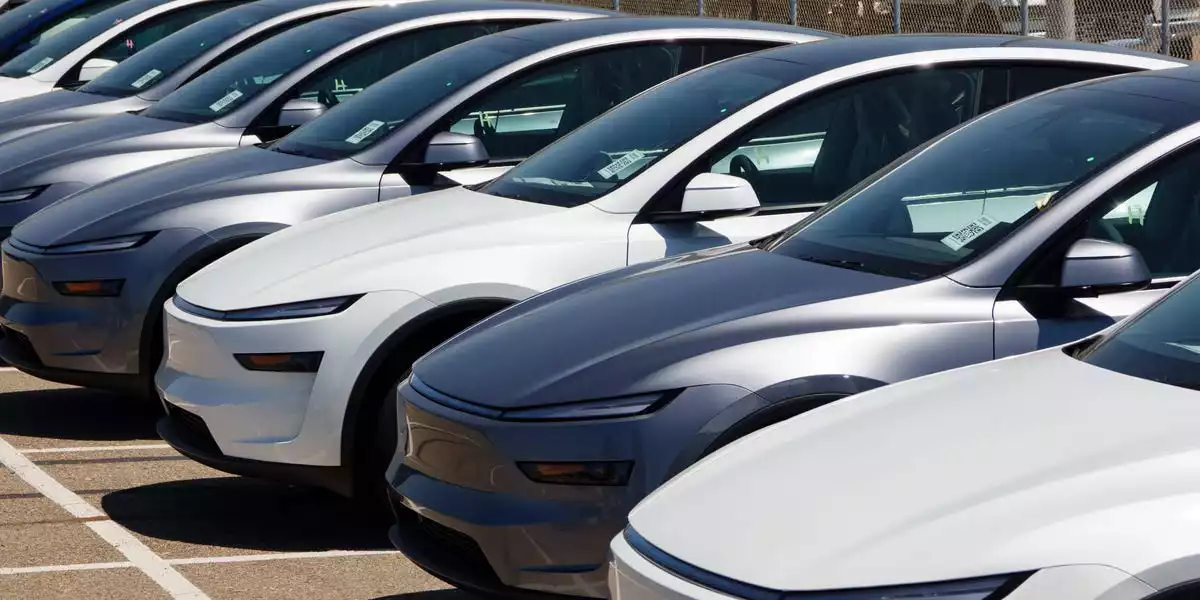
The surge, driven largely by consumers racing to secure the soon-to-expire $7,500 federal tax credit, has exposed both the promise and the fragility of the current EV landscape. Legacy automakers—Ford, GM, Hyundai—translated this incentive-fueled pull-forward into double-digit sales growth, while the erstwhile market leader, Tesla, found itself on unfamiliar ground: a 6.7% year-over-year decline in U.S. volume and a market share retreat to 38%, its lowest in eight years.
When Innovation Becomes Table Stakes
Tesla’s predicament is not merely a function of expiring incentives or fleeting consumer sentiment. The company’s once-unassailable technology edge has narrowed. For the first time, legacy automakers have closed the gap on battery range and software sophistication, achieving parity within 5–10% of Tesla’s benchmarks. The result is a marketplace where product differentiation is measured in increments, not leaps.
- Aging Product Lineup: Tesla has not launched a new high-volume model since 2020. In an industry now operating at the cadence of consumer electronics, this lag is palpable.
- Feature Convergence: Crossovers and affordable compacts from Detroit and Seoul now offer comparable range, connectivity, and driver-assist features.
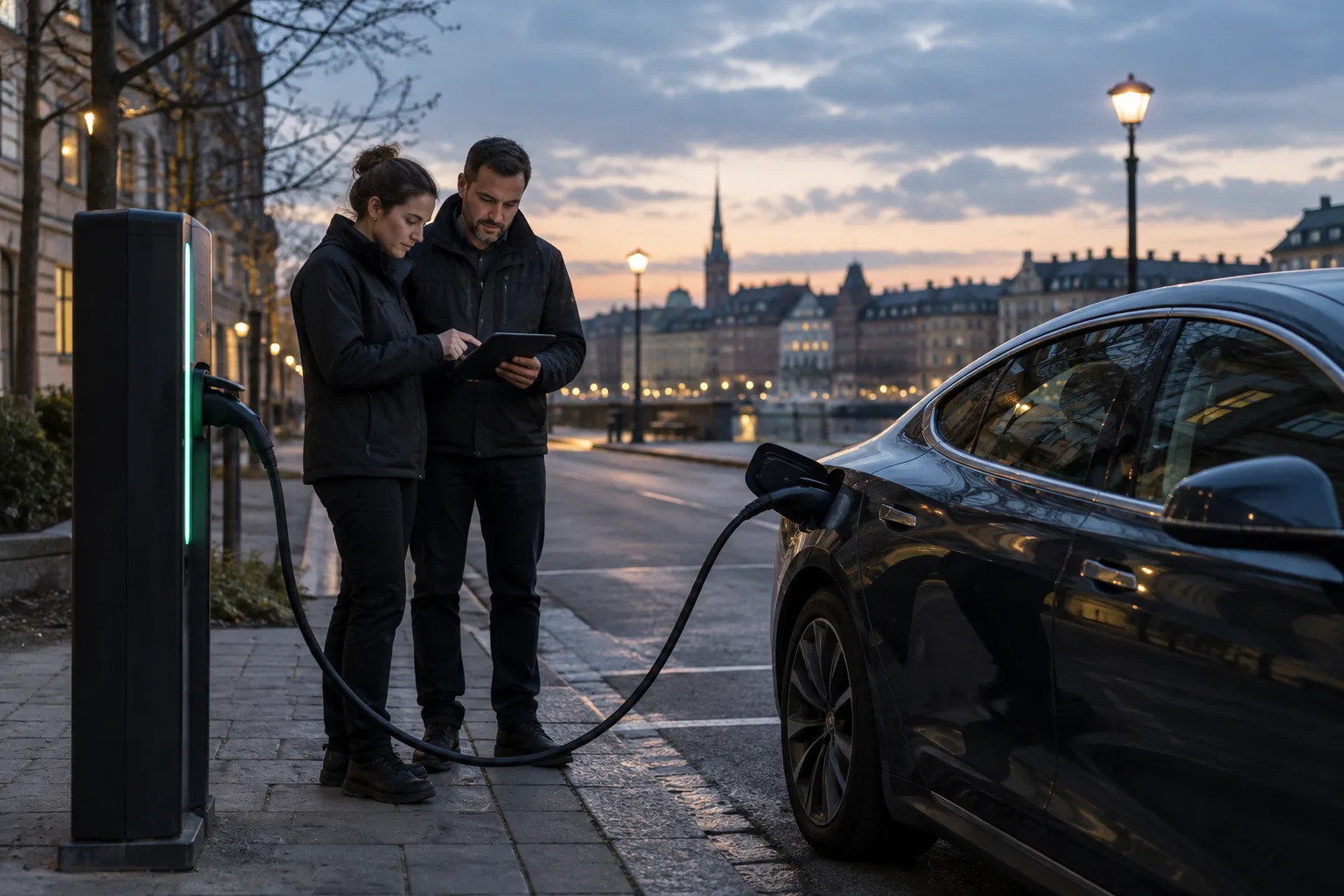
- Supercharger Paradox: Tesla’s decision to open its Supercharger network to rivals, while strategically sound, erodes a key differentiator just as competitors’ charging standards scale up.
The implications are profound. Price elasticity, once Tesla’s lever for demand generation, is showing diminishing returns. Successive price cuts early in 2023 spurred short-term gains, but August’s data suggest that the brand is approaching saturation at current price points. Meanwhile, legacy OEMs can afford to compress EV margins, subsidizing electrification with profits from their internal combustion engine (ICE) portfolios—a luxury Tesla lacks.
Incentives, Supply Chains, and the Looming “Air Pocket”
The expiration of the federal tax credit is more than a footnote; it is a structural shock. Historical precedent, such as Norway’s 2018 phase-down, suggests that a temporary demand “air pocket” is likely, followed by a more rationalized growth curve. For decision-makers, this means bracing for volatility in both sales forecasts and upstream commodity orders.
- Supply-Chain Relief, Competitive Pressure: A 40% year-to-date drop in lithium carbonate prices offers cost relief, but OEMs are channeling these savings into price wars rather than margin expansion.
- Geopolitical Wildcards: The specter of heightened U.S. tariffs on Chinese EV imports could further reshape sourcing strategies and blunt price competition, indirectly benefiting domestic players in the medium term.
The net effect is a market in flux, where the interplay of fiscal policy, commodity cycles, and global trade tensions will determine winners and losers.
Strategic Inflection: Brand, Platform, and the Next Growth Cycle
The August sales spike is less an inflection point than a time-shifted anomaly. As the dust settles, several non-obvious linkages are coming into focus:
- Brand Equity as a Volatile Asset: Tesla’s demand sensitivity to Elon Musk’s public persona underscores a new risk premium in consumer durables. Boards must now factor “executive brand risk” into market-share models, as ESG and politics become inextricable from purchasing decisions.
- Platform vs. Product Dilemma: By opening its charging infrastructure, Tesla risks repeating Microsoft’s 1990s conundrum—licensing a core asset to competitors dilutes hardware differentiation, potentially undermining long-term strategic clarity.
- Dealer Versus Direct: Legacy automakers, with their franchised dealer networks, captured last-minute buyers racing the incentive deadline. Tesla’s direct-to-consumer model, while efficient, is less agile in responding to fiscal cliffs.
For industry leaders, the path forward is clear but challenging:
- Accelerate Product Cadence: The next 12–18 months will reward those who can refresh models at consumer-electronics speed. Tesla’s rumored “Model 2” and GM’s Ultium platform launches will be bellwethers.
- Monetize Software, Not Just Hardware: Subscription revenues—from advanced driver-assist systems to infotainment—will be critical in offsetting hardware margin compression.
- Future-Proof Charging Strategies: As charging networks shift from proprietary moats to regulated utilities, strategic capital should migrate toward energy services and bidirectional vehicle-to-grid integration.
The August numbers, then, are not a new normal but a fleeting crescendo. The EV market’s next act will be defined not by first-mover advantage, but by refresh velocity, software innovation, and the ability to navigate a landscape where brand, policy, and platform are inextricably intertwined. For those who internalize these shifts, the post-incentive turbulence may yet serve as the launchpad for a more durable era of growth.

 By
By
 By
By
 By
By
 By
By
 By
By