
The Automobile as the Next Digital Battleground
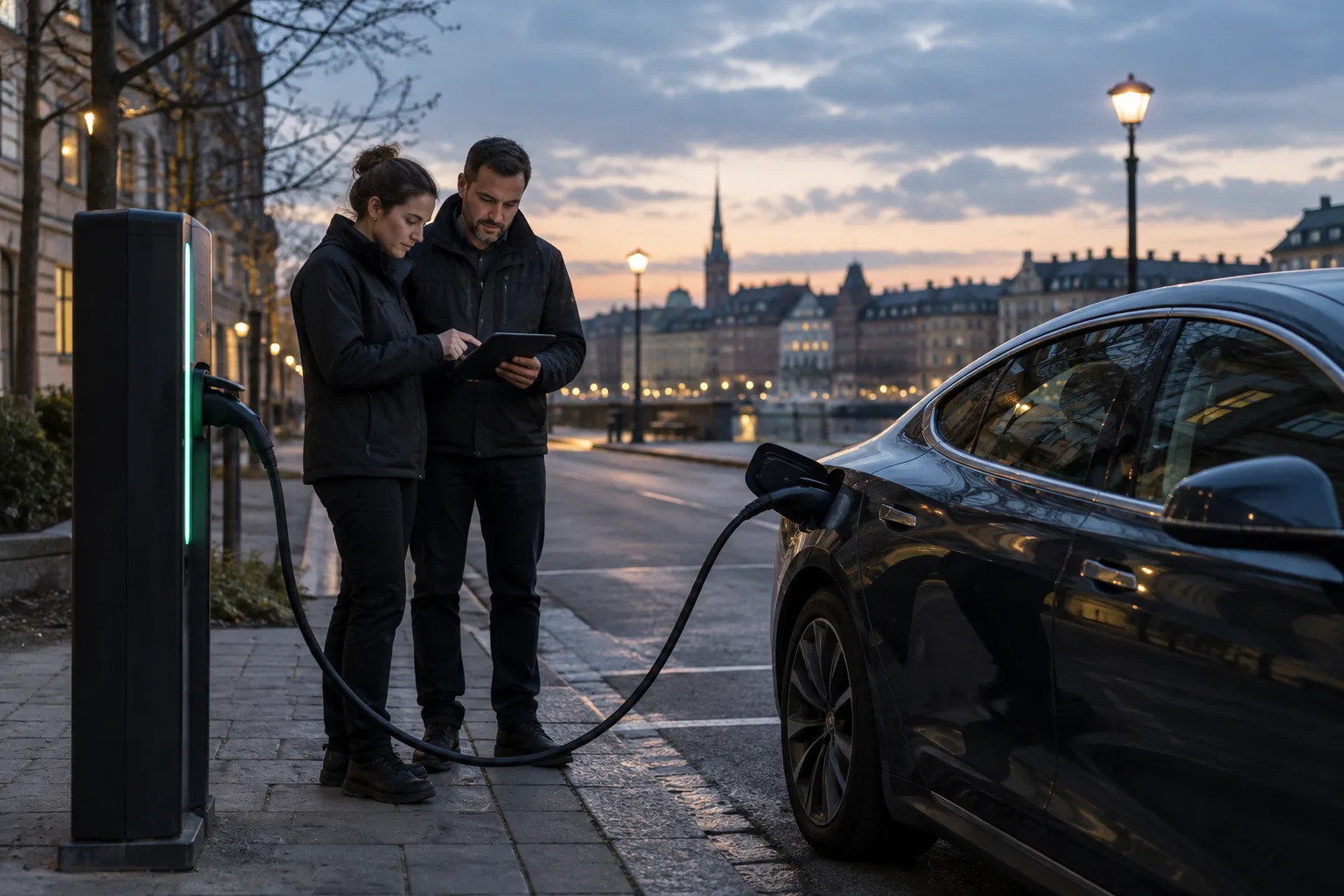
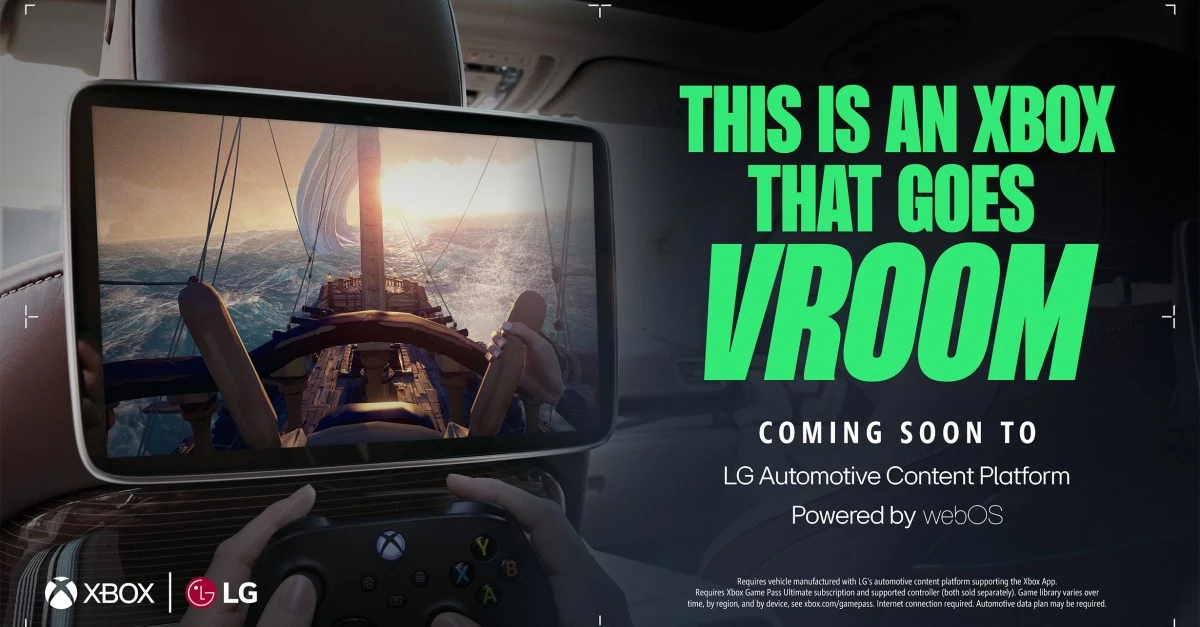
The latest alliance between Microsoft and LG marks a pivotal moment in the evolution of the connected vehicle. By embedding the Xbox Cloud Gaming app directly into LG’s Automotive Content Platform—now debuting in Kia’s EV3 for Europe—the automobile is rapidly transforming from a mere conveyance to a full-fledged entertainment node. This is not just a matter of convenience; it is a calculated extension of Microsoft’s “every screen” strategy, seeking to turn every idle moment—especially during EV charging cycles—into an opportunity for engagement, retention, and, crucially, monetization.
The move is emblematic of a broader shift in the automotive sector, where the battle for customer loyalty and post-sale revenue is increasingly fought not with horsepower, but with content. LG, leveraging its webOS heritage, positions itself as a software linchpin, offering automakers a turnkey “content bundle” that rivals and potentially outflanks the likes of Android Automotive and Apple CarPlay. For Microsoft, the economics are clear: by decoupling gaming revenue from hardware cycles and shifting it to high-margin subscriptions, every new vehicle becomes a potential Xbox endpoint—one that requires no incremental bill-of-materials cost, but yields recurring revenue and data.
Subscription Economics and the New Mobility Engagement
The strategic calculus underpinning this partnership is multifaceted:
- Platform Extension, Not Hardware Dependence: By turning cars into addressable screens, Xbox sidesteps the cyclical nature of console sales and captures incremental average revenue per user (ARPU).
- Automotive Monetization Inflection: As automakers seek to monetize dwell time—whether during charging or increasingly autonomous driving—content partnerships like this become critical differentiators.
- Churn Mitigation via Bundling: Expect to see Game Pass trials bundled with vehicle purchases or leases, echoing telecom’s earlier content tie-ins. This not only raises the switching cost for drivers but also for automakers, who become stakeholders in the Xbox ecosystem.
For LG, the Automotive Content Platform is more than middleware—it is a recurring SaaS revenue stream in a sector notorious for thin hardware margins. Usage analytics, licensing, and potential cross-industry applications (think aviation and hospitality) all point to a future where the car is as much a digital platform as a physical product.
Technical Realities and Competitive Tensions
Delivering console-grade gaming in a moving vehicle is not without its technical and regulatory challenges:
- Latency and Network Quality: Sustained sub-80 ms round-trip latency is essential for viable gameplay. Microsoft’s reliance on 5G standalone networks and edge Azure points-of-presence will create a patchwork of service quality, with selective feature gating in regions lacking robust coverage.
- Thermal and Power Management: While the power draw for streaming AAA titles is negligible relative to EV batteries, thermal management inside dashboard enclosures is nontrivial. LG’s dual-zone cooling and dynamic throttling may quietly set the standard for future in-car entertainment hardware.
- Data Consumption: With an hour of 1080p cloud gaming consuming roughly 7 GB, expect to see tiered, zero-rated data bundles—costs likely subsidized by Microsoft’s marketing muscle or amortized across Game Pass subscriptions.
On the competitive front, Microsoft’s first-mover status within a non-Android automotive OS grants it rare negotiating leverage. Apple’s ambitions for next-generation CarPlay, and the specter of an Apple Arcade streaming extension, loom large. Meanwhile, regulators are poised to scrutinize gameplay access during vehicle operation, likely enforcing adaptive policies that restrict gaming to parked or charging states.
Macro Implications and the Road Ahead
The implications of this partnership ripple far beyond the dashboard. EV owners, already early adopters of digital services, may find premium gaming a gateway to a broader suite of Microsoft offerings—Copilot for navigation, LinkedIn Learning during charging, perhaps even Azure IoT analytics for vehicle telemetry. The timing of the Tokyo Game Show, with its anticipated Forza Horizon 6 reveal, underscores the importance of culturally resonant content in driving adoption, especially in markets with dense 5G coverage and tech-savvy consumers.
Cross-industry observers, from aviation to hospitality, are watching closely. Should LG and Microsoft demonstrate that premium gaming can overcome the hurdles of latency, throughput, and licensing in vehicles, the model is likely to proliferate across other mobility and leisure environments.
For automakers, telcos, content owners, and investors, the message is clear: the car is no longer just a means of transportation—it is the next frontier in the platform economy. The race to capture attention, loyalty, and recurring revenue in this new arena has only just begun, and those who move quickly may find themselves not just along for the ride, but in the driver’s seat.

 By
By
 By
By
 By
By
 By
By
 By
By


 By
By