
Orca Ingenuity at Sea: Rudder Attacks and the Uncharted Risks for Modern Maritime Commerce
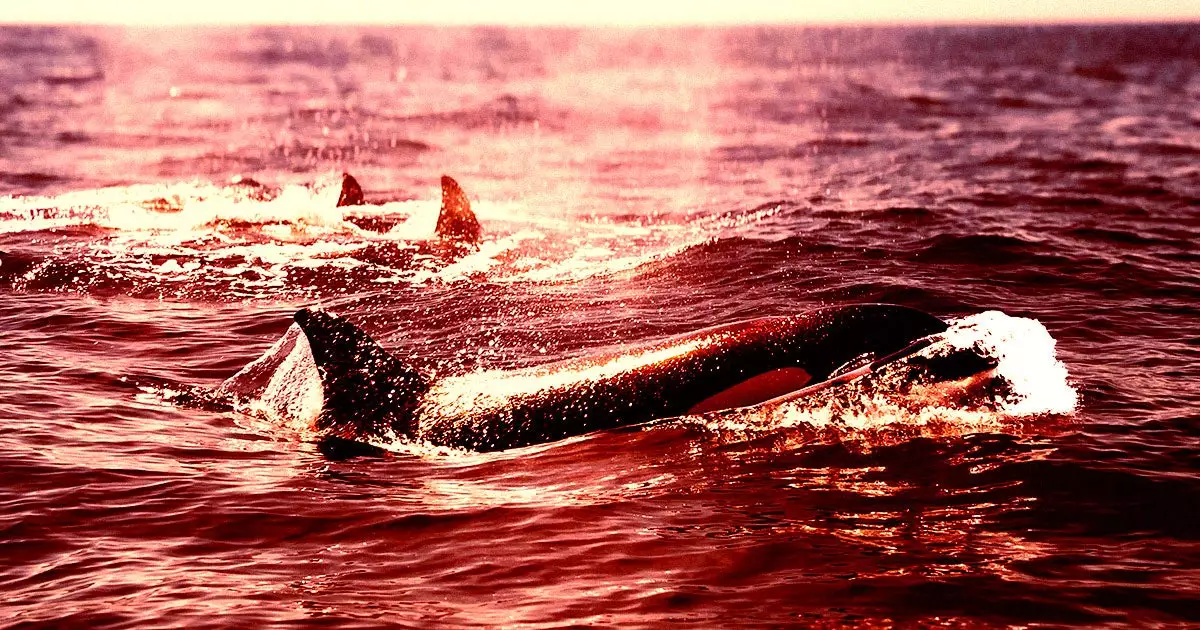
Off the storm-lashed Atlantic coast of Spain, a new and distinctly 21st-century maritime hazard is taking shape—not in the form of pirates or rogue waves, but in the coordinated, almost surgical, destruction of sailboat rudders by pods of killer whales. What began as a handful of curious encounters has now matured into a pattern of targeted interference, with orcas demonstrating a level of social learning and tactical precision that has riveted marine biologists and sent ripples of anxiety through the shipping and insurance industries alike.
Behavioral Complexity: Social Transmission and the Rise of Cetacean Tactics
The orca attacks are not random acts of aggression. Instead, they reveal a sophisticated behavioral repertoire: pods approach in formation, strike the rudder with force, and then withdraw, leaving vessels adrift and crews bewildered. The rapid spread of this behavior among orca populations suggests a form of cultural transmission—an aquatic parallel to the way urban crows learn to crack nuts using traffic lights, or how dolphins teach one another to use marine sponges as tools.
Crucially, scientists have yet to pinpoint a single underlying cause. There is no clear evidence linking the attacks to prey scarcity, sonar disturbance, or prior injury from vessels. The prevailing theories point to curiosity and play—behaviors that, in highly intelligent species, can quickly escalate into persistent patterns once socially reinforced. This emergent “orca playbook” is now a fixture of the maritime risk landscape, demanding a response that is as adaptive and nuanced as the animals themselves.
Engineering and Data: Rethinking Vessel Design and Real-Time Risk Mitigation
The implications for vessel architecture are immediate and profound. Traditional rudder assemblies—often optimized for hydrodynamics rather than impact resistance—have proven vulnerable to orca tactics. The industry is now contemplating a new class of design standards, borrowing from the playbook of ice-class hulls. Materials such as Kevlar and titanium, once reserved for polar exploration, are being considered for integration into rudder laminates. Modular or retractable steering systems, capable of being swapped or shielded in minutes, are moving from the realm of theoretical engineering to urgent necessity.
On the digital front, the convergence of edge computing and marine acoustics is opening new avenues for real-time threat detection. Acoustic signature libraries, powered by AI and deployed on hydrophone arrays, can now alert crews within seconds of a pod’s approach. For the burgeoning field of autonomous shipping, orca-induced rudder disablement represents a novel threat vector—one that will require redundant, self-healing control surfaces and adaptive navigation algorithms to ensure operational continuity.
Economic Reverberations: Insurance, Tourism, and the Emerging Cetacean Clause
The financial sector is already recalibrating its risk models. Underwriters are poised to introduce explicit “cetacean interaction” riders, reminiscent of the piracy surcharges that reshaped global shipping premiums a decade ago. For charter operators, the reputational and operational costs are mounting, with some routes now considered high-risk. Paradoxically, the same phenomenon has sparked a surge in eco-tourism, as thrill-seekers and wildlife enthusiasts seek close encounters with the now-notorious Iberian orcas—creating a bifurcated market where risk and reward are intimately entwined.
Repair yards specializing in emergency rudder fabrication are experiencing a spike in demand, straining global supply chains for specialty composites and hardwoods. Meanwhile, the specter of regulatory intervention looms, with the International Maritime Organization and EU safety agencies likely to mandate new standards for wildlife interaction and vessel resilience in coming years.
Strategic Horizons: Data Commons, ESG Optics, and the Climate Connection
The orca phenomenon is not merely a curiosity; it is a bellwether for a broader set of challenges at the intersection of technology, ecology, and commerce. Heavy-handed deterrents such as noise cannons risk public backlash and regulatory censure, underscoring the delicate balance between operational necessity and environmental stewardship.
Forward-thinking organizations are exploring collaborative, anonymized incident databases—akin to the aviation industry’s safety reporting systems—to accelerate pattern recognition and collective learning. As climate change continues to alter marine ecosystems, shifting orca foraging ranges and prey availability, these incidents may be a harbinger of more frequent—and more complex—human–wildlife interactions across the global supply chain.
In this evolving seascape, those who invest early in bio-informed design, sensor-driven navigation, and open data frameworks will not only mitigate risk but may also discover new forms of strategic advantage. The lesson from the Spanish orcas is clear: in an era of intelligent wildlife and intelligent machines, adaptability is the ultimate currency.

 By
By
 By
By
 By
By
 By
By
 By
By