
A New Chapter for BMW: Electrification Meets Software Ambition
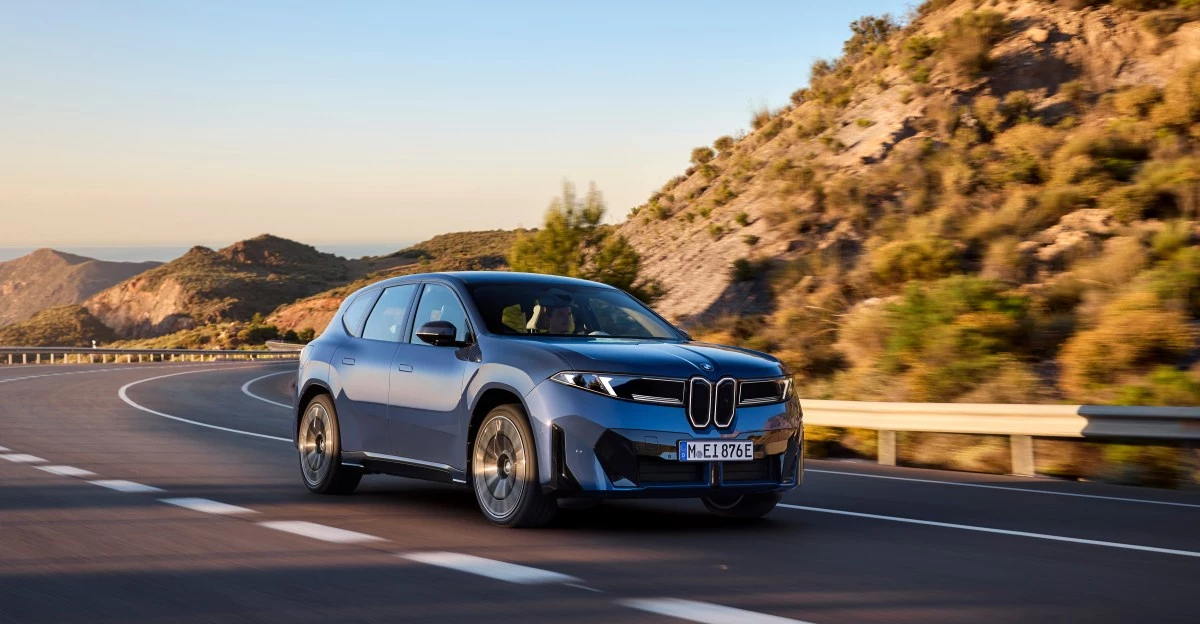
At the Munich auto show, BMW’s unveiling of the iX3—its first model built on the ambitious Neue Klasse electric-vehicle architecture—signaled more than just a technological leap. It marked a philosophical pivot, as the storied automaker seeks to redefine its identity in an era where software, not just sheet metal, dictates the rules of engagement. The iX3’s arrival, slated for U.S. showrooms in mid-2026 at a projected $60,000, is both a culmination of engineering prowess and a declaration of intent: BMW is no longer content to play catch-up in the electric age.
Engineering the Future: Battery Innovation and Centralized Intelligence
The iX3’s technical foundation is a tapestry of next-generation advances, each carefully selected to address the shifting demands of global EV consumers and regulators.
Key Technological Milestones:
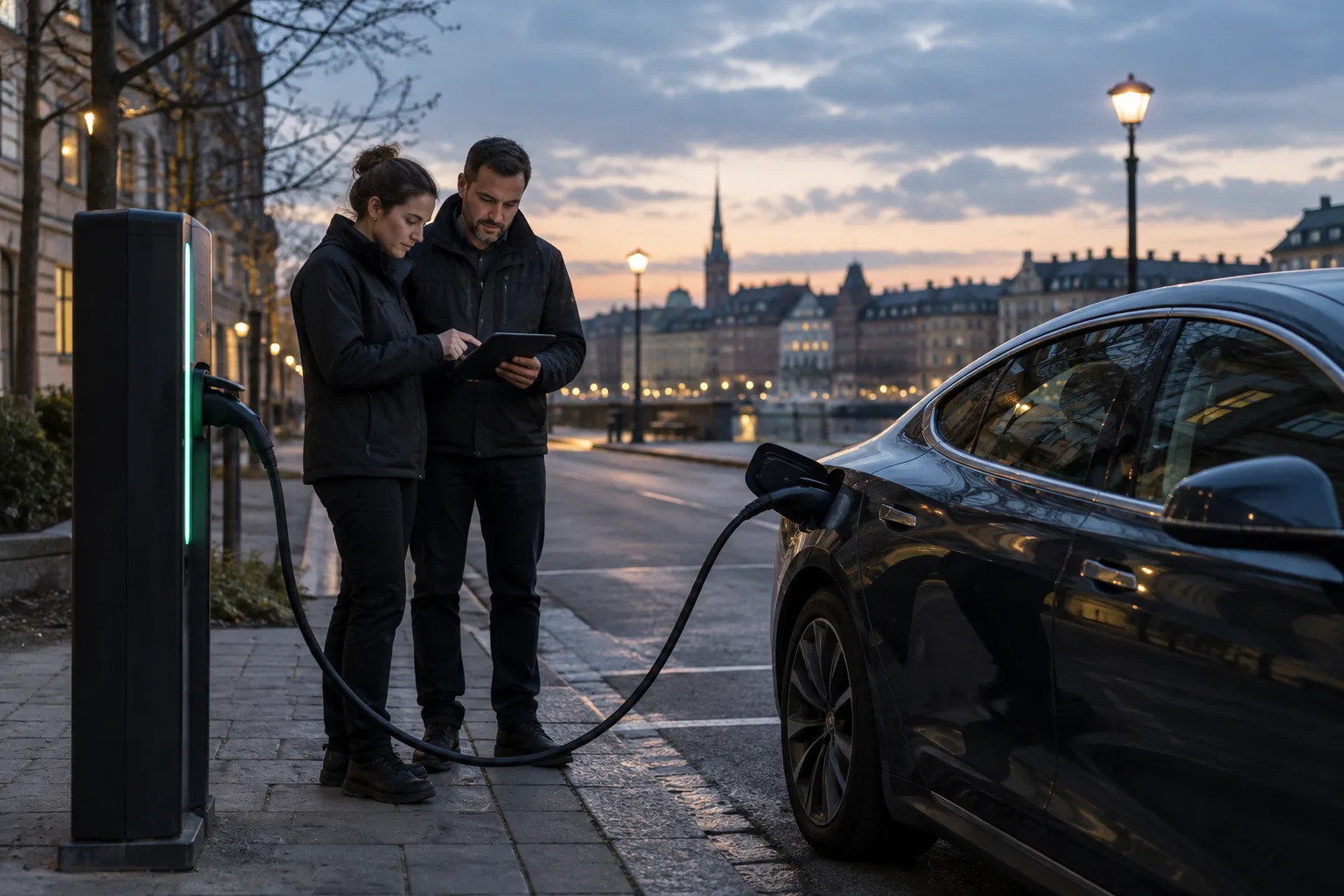
- 800-Volt, 400 kW Charging Backbone: Matching the likes of Porsche and Hyundai-Kia, BMW’s adoption of an 800-volt electrical architecture enables lightning-fast charging, with the promise of bidirectional power flow. This not only slashes consumer charge times but also positions BMW vehicles as active participants in emerging grid services—vehicle-to-grid (V2G) and home energy management—domains where utilities and automakers increasingly intersect.
- Sixth-Generation Cylindrical Cells: The move from prismatic to 46-series cylindrical battery formats is more than a nod to industry trends. By leveraging high-nickel NMC chemistries and silicon-blended anodes, BMW claims a 30% improvement in range and charging speed, a 20% boost in energy density, and a dramatic 50% cost reduction relative to its previous packs. Such numbers suggest a shrewd upstream supply strategy, perhaps even partial vertical integration, as the automaker braces for raw-material volatility and EU battery-passport mandates.
- “Heart of Joy” Central Compute Platform: In a decisive break from legacy architectures, BMW consolidates ADAS, chassis, infotainment, and power electronics into a singular controller. This not only trims vehicle weight and complexity but also enables unified, over-the-air (OTA) updates—a prerequisite for the kind of recurring, software-driven revenues that have become Tesla’s hallmark.
- Panoramic iDrive on Android: The embrace of an Android-based operating system, while retaining physical controls for critical functions, is a calculated gamble. It sacrifices some of BMW’s bespoke UX in exchange for developer scale and rapid feature deployment, betting that the richness of Google’s ecosystem will outweigh the loss of proprietary differentiation.
Competitive Dynamics: Pricing, Scale, and the Software Race
The iX3’s $60,000 price point is a shot across the bow—not just at Tesla, whose Model Y Performance is both pricier and slower to charge, but at an ascendant wave of Chinese EV exporters. Brands like BYD, NIO, and Zeekr, buoyed by domestic subsidies and lower labor costs, can deliver comparable vehicles at a 15–30% discount. For BMW, slashing battery costs is not a matter of margin enhancement but of survival.
Strategic Levers in Play:
- Platform Modularity: With forty Neue Klasse derivatives planned within two years, BMW is betting on scale to amortize R&D and tooling at a pace unprecedented for the brand. This aggressive rollout is designed to compress product cycles and bring cost structures in line with pure-play EV competitors before the window of tax incentives narrows.
- Supply Chain Maneuvering: The sourcing of Gen6 cells from North American or EU plants is a hedge against tightening U.S. Inflation Reduction Act rules and looming EU tariffs on Chinese imports. The imperative: secure local content, ensure rare-earth independence, and maintain compliance with evolving regulatory demands.
- Software Monetization: The central compute architecture and Android OS are not just technical choices—they are the scaffolding for a new business model. BMW’s future margins hinge on its ability to convert hardware buyers into subscribers for digital keys, adaptive lighting, performance boosts, and, eventually, higher-level autonomy.
The Stakes: Brand, Dealers, and the Grid
BMW’s challenge is not merely technological; it is existential. As powertrains and infotainment platforms converge across the industry, the question becomes whether heritage luxury branding can command a premium in a world where software is the true differentiator.
- Dealer Disruption: OTA updates and software-defined features threaten to erode traditional dealership service revenues, forcing a realignment toward customer education, delivery, and financing.
- Grid Integration: With bidirectional charging as standard, BMW’s fleet becomes a latent energy asset—one that could help stabilize renewable-heavy grids and unlock new value pools for utilities and automakers alike.
- Investor and Policy Implications: For investors, the key metric will be the uptake of paid OTA features post-launch. For policymakers, BMW’s rapid platform scaling underscores the catalytic effect of industrial policy on innovation cycles, while raising new questions around grid management, data privacy, and the right to repair.
BMW’s iX3 is more than a new model; it is a referendum on the company’s ability to recalibrate for a software-dominated future. The next decade will reveal whether Munich’s bold gamble can yield not just technical parity, but a new kind of automotive leadership—one measured as much by code as by craftsmanship.

 By
By
 By
By
 By
By

 By
By