
Gilded Age Echoes: Industrial Titans, Social Upheaval, and the DNA of Modern Capitalism
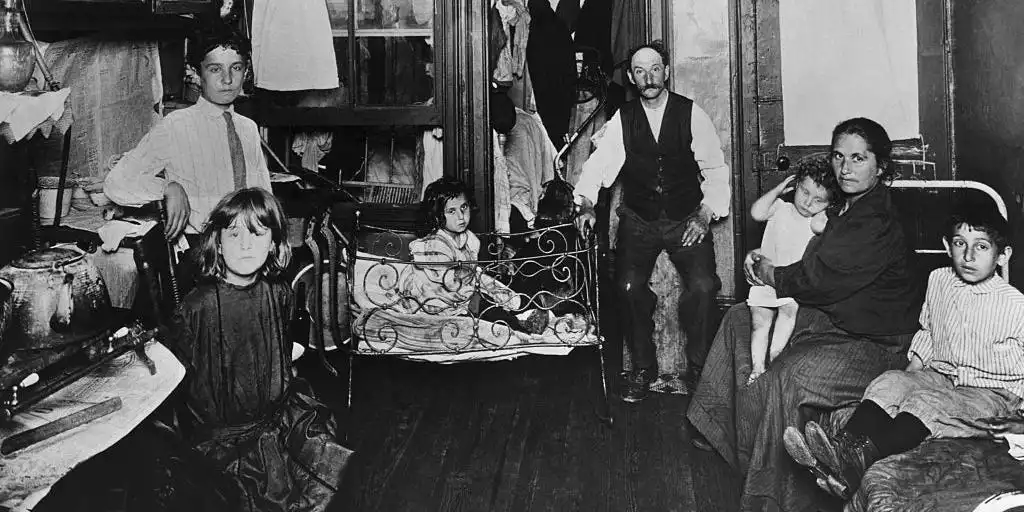
The late 19th-century Gilded Age stands as a paradoxical monument in American history—a period when the clang of mechanized progress rang out across a landscape riven by inequality. Opulent mansions rose along Manhattan’s “Millionaires’ Row,” their stone façades casting long shadows over the teeming tenements where two-thirds of New Yorkers eked out precarious lives. The era’s signature blend of technological marvel and social discord did not simply shape the skyline; it redrew the boundaries of power, labor, and capital in ways that still reverberate through the corridors of today’s boardrooms and legislatures.
Industrial Alchemy: Railroads, Networks, and the Birth of Scale
At the heart of this transformation pulsed the relentless innovation of railroads, telegraphs, and mechanized factories. These were not merely tools of commerce—they were engines of compression, shrinking distances, collapsing time, and driving down costs. The productivity windfall, however, accrued unevenly. Asset owners and financiers—names like Vanderbilt, Gould, and Morgan—harnessed the era’s “winner-takes-most” dynamics, creating vertically integrated empires that echoed through every node of the economy.
- Network Effects and Market Power: Just as today’s digital platforms leverage network effects to entrench dominance, Gilded Age railway hubs and supply chains concentrated wealth and influence.
- Regulatory Lacunae: The absence of meaningful oversight allowed these conglomerates to convert scale into pricing power, setting the stage for epochal antitrust battles—Standard Oil and Northern Securities among them—that still inform the regulatory playbook for Big Tech and data monopolies.
The architecture of these industrial networks foreshadowed the platform economies of the 21st century, where scale and integration can tip entire markets, leaving both opportunity and risk in their wake.
Capital, Labor, and the Anatomy of Inequality
The economic choreography of the Gilded Age was one of divergence. Capital accumulation—fueled by financial innovations such as investment trusts and speculative rail bonds—outstripped wage growth. Stock market capitalization soared, but real wages for unskilled labor remained stubbornly flat, a decoupling that modern economists now track with forensic precision.
- Systemic Risk and Financial Opacity: The proliferation of new financial instruments accelerated capital flows but also magnified systemic risk, presaging crises from the Great Depression to the 2008 collapse and today’s private-credit boom.
- Urban Exclusivity: The valorization of real estate—Fifth Avenue brownstones, Newport “cottages”—created urban forms predicated on exclusion, a dynamic mirrored in contemporary debates over housing affordability, zoning, and the future of “15-minute cities.”
This era’s wealth concentration was not merely a matter of numbers; it was inscribed in the very fabric of American cities and institutions, shaping the lived experience of millions.
Reform, Resistance, and the Feedback Loop of Change
Yet the Gilded Age was not a static tableau of excess and exploitation. It was a crucible of reform, animated by the interplay of grassroots agitation, investigative journalism, and strategic philanthropy.
- Visual Advocacy: Jacob Riis’s pioneering photojournalism—“How the Other Half Lives”—transformed raw data into moral argument, a precursor to today’s ESG reporting and social-impact dashboards.
- Labor and Regulation: Organized labor and muckraking journalists forced elites to confront the externalities of their fortunes, catalyzing regulatory milestones: child-labor laws, minimum-wage statutes, and the institutionalization of antitrust.
- Philanthropic Buffering: The era’s titans—Carnegie, Rockefeller—deployed philanthropy as both social salve and reputational shield, a tactic echoed in modern climate pledges and inclusive-capitalism initiatives.
The feedback loop between public sentiment and policy intervention became a defining feature, one that contemporary leaders—whether in AI, quantum computing, or synthetic biology—would do well to heed.
Lessons for the Digital Age: Navigating Disruption and Legitimacy
Today’s technology cycles—heralded by generative AI and quantum leaps—bear an uncanny resemblance to the Gilded Age’s disruptive arc. Early adopters reap supernormal returns, but concentrated gains risk igniting the same social backlash that once toppled railroad trusts. Strategic foresight is no longer optional:
- Pre-Emptive Governance: Transparent labor practices, algorithmic accountability, and broad-based equity participation can insulate firms from reputational and regulatory shocks.
- Stakeholder Mapping: Understanding how innovation displaces or devalues labor is now central to risk management; historical myopia remains costly.
- Capital Discipline: The fate of the Vanderbilt mansions—stranded assets in a shifting public mood—serves as a cautionary tale for today’s trophy investments, from data centers to metaverse real estate.
As regulatory arcs bend once more toward tighter oversight—on data, AI ethics, and labor classification—scenario planning must account for break-ups, spin-offs, and structural separations. The infrastructure investments of tomorrow, from broadband to green hydrogen, will redraw urban and economic maps with the same force as the iron rails of the past.
The Gilded Age is not merely a sepia-toned backdrop to our digital present; it is a living analog, rich with strategic insight and cautionary wisdom. Those who internalize its lessons—balancing innovation with legitimacy, growth with equity—will find themselves better equipped to navigate the tectonic shifts that define each new era of capitalism.

 By
By
 By
By
 By
By
 By
By
 By
By


 By
By