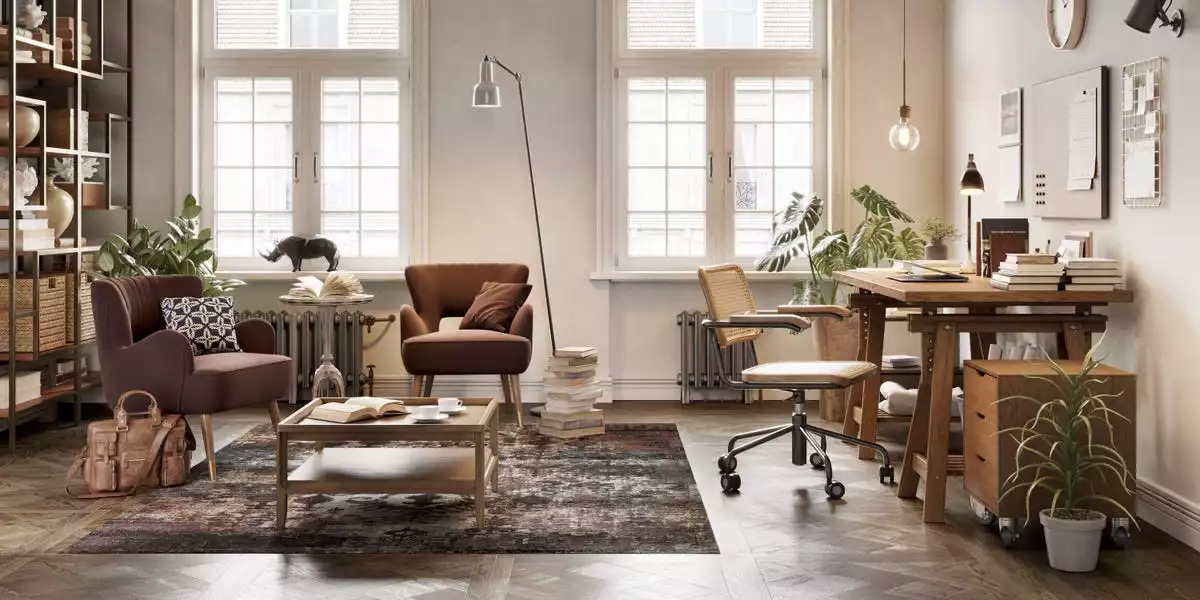

The New Aesthetics of Value: How Digital-First Home Staging Is Rewiring Real Estate
In the evolving theater of residential real estate, the practice of home staging has transcended its roots as a tactical flourish. What once seemed a matter of taste—arranging throw pillows just so, painting walls a forgiving eggshell—now reveals itself as a sophisticated response to a digital marketplace where attention is fleeting and first impressions are algorithmically amplified. The modern home, before it is ever toured, is experienced as a stream of pixels; its value is shaped as much by visual narrative as by square footage or school district.
Visual Neutrality and the Economics of Attention
The fundamentals of staging—neutral palettes, curated furnishings, and the erasure of personal artifacts—are not mere nods to good taste. They are, increasingly, the tools of behavioral economics. In a market where 97% of U.S. buyers first encounter homes online, the listing photo has become the gatekeeper of value. A/B tests conducted by leading brokerages point to a staggering 45% increase in click-through rates for neutrally staged properties. This digital curb appeal cascades through the sales funnel: more clicks yield more tours, more tours mean more offers, and the ultimate effect is a measurable uplift in sale price—often $17,000 to $25,000 above unstaged comparables in major metros.
This IRR profile has not gone unnoticed by capital markets. Private-equity micro-funds now underwrite pre-sale upgrades, recouping their investment through success fees at closing—a model reminiscent of “buy now, pay later” financing, but for home improvements. The shift is structural: dollars once earmarked for broad agent marketing are now redirected to a proliferating ecosystem of designers, photographers, and cleaning specialists. The result is a new micro-vertical, where even mid-market sellers outsource the orchestration of visual perfection.
The Digital Twin: From Physical Asset to Pixel-Perfect SKU
The transformation is not simply cosmetic; it is ontological. The home itself is now a “digital twin”—a set of images, 3D walkthroughs, and virtual staging assets that precede and, in many cases, supplant the physical experience. Buyers construct emotional ownership through screens, swiping through spaces that are less homes than highly produced content. This inversion of the traditional marketing funnel elevates the technology stack—lighting rigs, post-production AI, and computer vision analytics—to the status of strategic assets.
The implications are profound. Listing portals, hungry for differentiation, are eyeing M&A opportunities to vertically integrate these capabilities. The digital twin becomes the primary SKU, and the physical property a fulfillment center for a transaction already won or lost in the digital realm. For institutional single-family rental operators, staging intelligence is no longer a discretionary spend; it is a hedge against rate risk, smoothing absorption cycles in a market where rising mortgage rates have tightened the elasticity of demand.
AI, Automation, and the Platformization of Staging
Innovation is accelerating at the intersection of generative AI and proptech. Startups now deliver photorealistic virtual renovations, allowing buyers to toggle wall colors or furniture styles in real time—a scalable, SaaS-driven extension of the principles championed by designers like Claire Zinnecker. Computer vision algorithms score listing photos for composition and clutter, with the potential to auto-rank homes by “staging quality” and influence search results in the same way SEO governs web traffic.
Meanwhile, the proliferation of IoT devices—smart locks, adaptive lighting, sensor-verified cleaning—enables a consistent, boutique-hotel experience, automating quality assurance for remote owners and institutional players. The service landscape itself is ripe for consolidation: thousands of independent stagers, cleaners, and photographers are prime targets for PE-backed roll-ups, bundling prep-to-close services as revenue shares with agents.
For home-goods brands, staged listings present a retail channel in miniature: QR codes on furnishings convert buyer curiosity into e-commerce sales, with early pilots reporting conversion rates between 6–8%. Minimalist, modular furnishings not only cater to aesthetic trends but also align with ESG mandates, reducing material waste and appealing to sustainability-minded buyers and investors.
Strategic Imperatives and the Road Ahead
The stakes are clear for industry stakeholders:
- C-suite leaders and proptech founders must prioritize deep integrations between listing platforms and AI-enabled staging tools, leveraging first-mover UX advantages.
- Institutional investors are advised to underwrite asset velocity with staging efficacy metrics, and to consider co-investment with service aggregators to safeguard portfolio churn.
- Home-furnishing manufacturers can unlock B2B2C channels by partnering with staging networks, developing flat-pack lines for rapid install and removal.
- Brokerages should embed staging and photo quality KPIs into commission structures, as agents controlling the visual narrative consistently close faster.
Looking ahead, virtual staging is poised to reach parity with its physical counterpart for mid-tier listings, catalyzed by generative AI and growing consumer comfort with digital twins. The MLS of 2026 may well feature a “visual quality score,” influencing search rankings and organic traffic much as SEO does today. Platform giants—Zillow, Redfin, Opendoor—are likely to race for end-to-end control of the digital staging journey, echoing Amazon’s dominance in product imaging.
In this new landscape, home staging emerges not as an afterthought but as a strategic lever—at the intersection of behavioral science, computer vision, and capital markets. Those who treat the visual impression of a property as a data-driven, monetizable asset will capture the lion’s share of returns in a marketplace defined by digital-first buyer journeys and the relentless pressure of rate-sensitive liquidity.

 By
By
 By
By

 By
By
 By
By

 By
By
 By
By