
Analog nostalgia in 2026: a cultural retreat that doubles as a technology critique
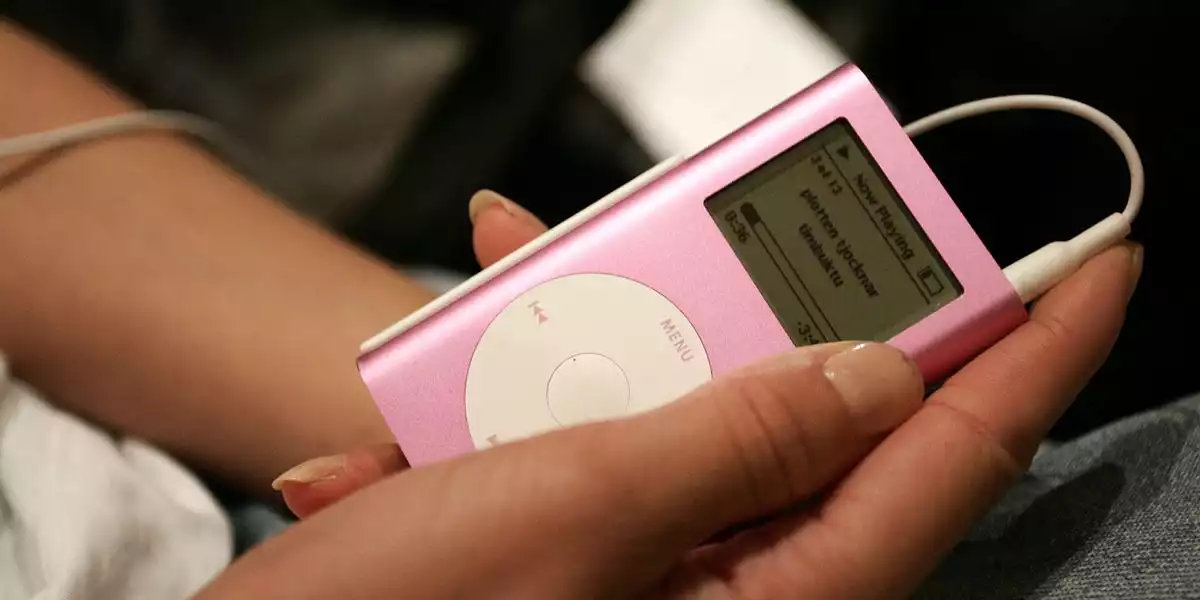
A notable shift is taking shape across Gen Z and millennials: a visible, often performative move away from always-on digital convenience and toward analog experiences associated with the late 1990s and mid-2000s. What might look like retro playacting—disposable cameras, novelty ringtones, portable GPS devices, early digital cameras—has become something more consequential: a consumer and cultural referendum on frictionless tech.
The timing matters. Economic uncertainty, underscored by reports of January layoff levels reaching their highest since 2009, is colliding with political volatility and a broader sense of institutional fatigue. In that environment, the appeal of analog is not simply sentimental; it offers tangibility, predictability, and personal agency—qualities that feel scarce in algorithmically mediated life.
Social platforms, ironically, are amplifying the movement. Feeds are saturated with throwback content and “offline-coded” rituals, turning analog objects into premium status symbols. The paradox is central to the story: digital networks are functioning as the distribution channel for a lifestyle that signals resistance to digital saturation.
“Friction-maxxing” and smartphone “bricking”: when inconvenience becomes a feature
Two practices capture the ethos of this moment: “friction-maxxing” and smartphone “bricking.” Both represent deliberate attempts to reintroduce hurdles into daily routines—blocking apps, limiting notifications, or using devices in intentionally constrained ways. The goal is not anti-technology purity; it is control over attention, time, and social presence.
This is a direct response to how modern platforms compete. Personalization algorithms and AI-driven engagement loops are designed to remove friction—auto-play, predictive prompts, one-click everything. Yet for a growing subset of users, convenience has begun to read as intrusion: a system optimized for retention rather than well-being.
Several forces are converging here:
- Cognitive sovereignty as a lifestyle marker: Minimal screen time is increasingly framed as discipline and self-mastery, not deprivation.
- Authenticity economics: Physical artifacts—vinyl, film, paper notebooks—signal “realness” in a world where AI-generated content blurs provenance and intent.
- Social re-anchoring: Analog rituals create structured, in-person interactions that feel less extractive than platform-mediated engagement.
In this framing, friction is not a bug. It is a design principle—a way to restore boundaries that digital systems have steadily eroded.
AI disillusionment meets workplace pressure: the productivity promise under scrutiny
The analog revival is also being fueled by a more pragmatic disappointment: growing disillusionment with AI in professional settings. While automation and generative AI were marketed as workload reducers, many knowledge workers report a different reality—tools that require heavy oversight, iterative prompting, data cleaning, and constant verification. Rather than “effortless productivity,” AI can become a force multiplier for managerial scrutiny and always-on expectations.
This matters because cultural trends often harden when they align with lived experience. If workers feel that AI has intensified pace and accountability without proportionate relief, analog practices become a form of self-defense—an attempt to reclaim focus and reduce the ambient pressure of perpetual optimization.
For business leaders, this is not an argument against AI adoption; it is a signal that AI ROI must be measured beyond output volume. The emerging critique is less about capability and more about implementation: governance, workflow design, and whether automation reduces drudgery or simply accelerates throughput demands.
Key implications for workforce strategy include:
- Digital-wellness policies as operational infrastructure: focus hours, device-free meetings, and norms that reduce after-hours escalation
- Clear AI success metrics: workload impact, error rates, rework time, and employee satisfaction—not just speed or utilization
- Human-centered deployment: prioritizing automations that remove repetitive tasks without expanding surveillance or micromanagement
The analog turn, in this context, reads as a cultural counterweight to a workplace that has become increasingly quantified, monitored, and compressed.
Business strategy and market signals: how brands can respond without misreading the moment
For companies, the analog renaissance presents both opportunity and risk. The opportunity lies in serving a demand for durable, repairable, and emotionally resonant products—a natural fit in an inflationary environment where consumers scrutinize upgrades and resist planned obsolescence. The risk is treating the trend as mere nostalgia merchandising, rather than a deeper shift in how customers define value.
Strategically, the most credible responses will likely be hybrid—products and experiences that preserve digital utility while offering intentional off-ramps. This is where brand differentiation can emerge: not by abandoning AI or connectivity, but by giving users choice, boundaries, and tactile engagement.
Practical moves that align with the trend’s underlying logic include:
- Designing “digital off-ramps”: offline modes, simplified interfaces, and easy-disconnect settings that are prominent—not buried
- Reviving or reimagining legacy lines: physical media editions, modular devices, tactile controls, or limited-run hardware that emphasizes repairability
- Partnership ecosystems: collaborations with film labs, vinyl pressing plants, boutique camera makers, or notebook brands that carry authenticity
- Community-led marketing: campaigns built around real-world rituals—film-roll swaps, listening sessions, in-person meetups—supported by user-generated throwback storytelling
Executives should also treat analog demand as a sentiment indicator. Rising resale prices for vintage electronics, increased film sales, and renewed interest in physical media can function as barometers of consumer trust, digital fatigue, and macroeconomic anxiety. In parallel, regulatory pressure around privacy and platform power may further legitimize offline or decentralized behaviors, reshaping the competitive landscape for data-driven business models.
What emerges from the 2026 analog nostalgia wave is not a rejection of technology so much as a renegotiation of its terms: people are signaling that convenience without consent is no longer a universally winning proposition, and that the next era of innovation may be judged as much by restraint and human fit as by raw capability.

 By
By
 By
By
 By
By

 By
By
 By
By

 By
By