

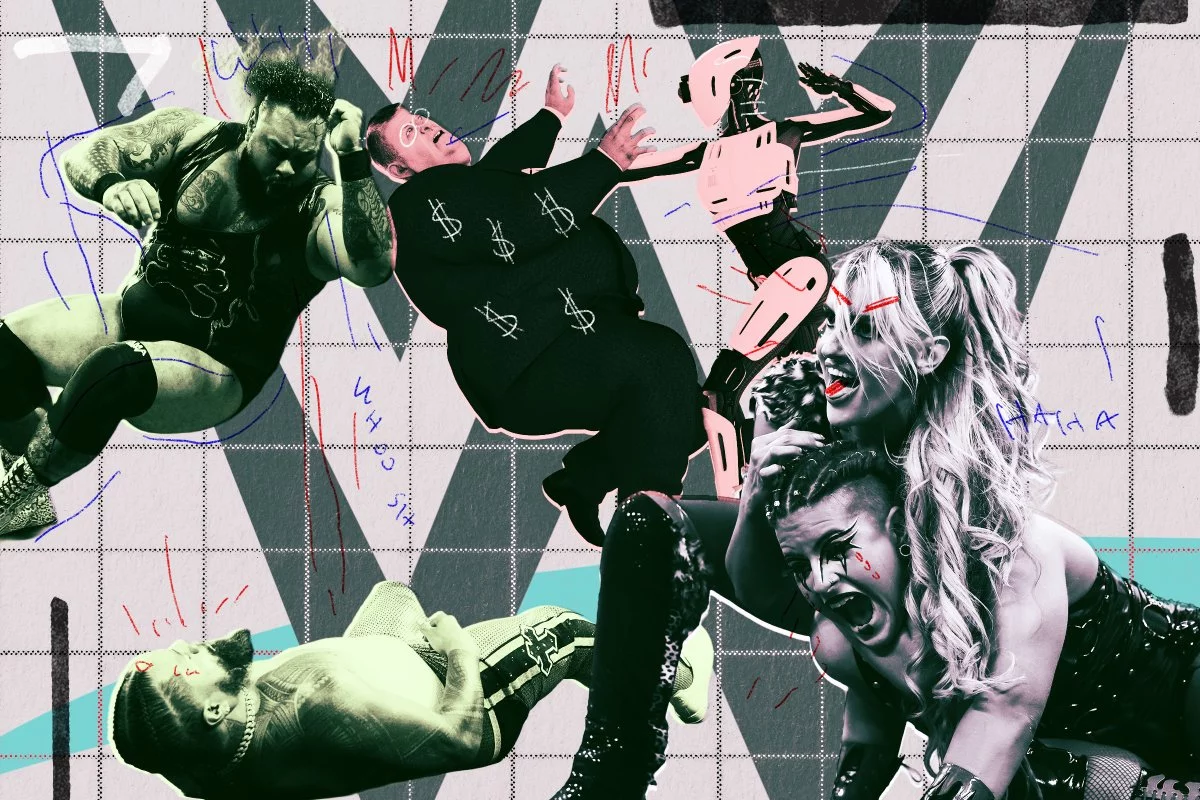

The Algorithmic Turn in the WWE: Wrestling with Generative AI
In the world of professional wrestling, spectacle is currency and narrative is king. Now, World Wrestling Entertainment (WWE) is making a calculated leap into the future, embedding artificial intelligence into the very core of its creative process. The appointment of Cyrus Kowsari as Senior Director of Creative Strategy under Paul “Triple H” Levesque signals not just a flirtation with technology, but a structural commitment to generative AI as a creative co-pilot. This is not about replacing the human touch, but about amplifying it—accelerating the production of storylines, visuals, and character arcs at a velocity that matches the insatiable appetite of global audiences.
Wrestling’s Proprietary Data Goldmine and the AI Writer’s Room
Unlike many entertainment companies, WWE sits atop a veritable mountain of proprietary data: four decades of meticulously tagged match footage, promo transcripts, and fan engagement metrics. This corpus is an AI trainer’s dream, offering a granular, domain-specific dataset for fine-tuning large language models and diffusion-based visual generators. Wrestling’s codified tropes—heel turns, redemption arcs, faction betrayals—are tailor-made for pattern recognition algorithms, allowing AI to propose plot branches and character evolutions with uncanny fluency.
But the company’s ambitions do not extend to full automation. Instead, WWE envisions AI as an assistive force—a “writer’s room co-pilot” capable of generating pre-visualizations in hours rather than weeks, iterating on storylines, and surfacing narrative possibilities that might otherwise languish in creative limbo. Early missteps, such as algorithmically generated storylines that failed to respect the logic of kayfabe, have underscored the need for a robust human–machine feedback loop. Expect WWE to lean into reinforcement learning from human feedback (RLHF), ensuring that the algorithm remains tethered to the lived experience of veteran bookers and the pulse of live audiences.
Economic Upside: Content Velocity, Personalization, and IP Expansion
The economic rationale for this pivot is compelling. WWE produces over 1,000 hours of content annually; even marginal gains in creative cycle time can yield seven-figure savings and open new syndication opportunities across platforms like Peacock, Hulu, and international broadcasters. Generative AI also unlocks the potential for hyper-personalized fan experiences—micro-storylines that can be spun off into choose-your-own-adventure mobile games, NFT collectibles, and localized promos. Such innovations promise to expand average revenue per user without cannibalizing the flagship broadcasts that anchor WWE’s brand.
Moreover, the ability to algorithmically generate characters and narratives creates a new category of derivative intellectual property—content that WWE owns outright, immune to the vagaries of talent negotiations and labor actions. This is a strategic hedge, especially as escalating talent costs and unionization pressures ripple across Hollywood and adjacent industries.
Navigating the Risks: Authenticity, Rights, and Regulatory Scrutiny
Yet, the algorithmic turn is not without peril. Over-reliance on AI-generated tropes could flatten the organic, improvisational energy that transforms wrestling from scripted entertainment into a living, breathing spectacle. Authentic crowd reactions—so central to the product’s value—risk being diluted if the creative process becomes too mechanized.
There are also thornier questions of data privacy and likeness rights. Training models on wrestler promos and facial data raises the specter of future claims over digital likeness compensation, a flashpoint as AI-generated avatars proliferate across media. Regulatory scrutiny is intensifying, with the FTC and EU AI Act sharpening their focus on synthetic media and transparency protocols. Cybersecurity, too, looms large: a compromised model could leak confidential storylines, directly impacting pay-per-view revenue and triggering market volatility.
WWE’s non-union talent structure provides maneuvering room that Hollywood studios currently lack, but it also heightens reputational risk if performers feel digitally displaced. The company’s response—crafting a wrestler consent framework and scenario stress-testing its AI-accelerated content cycles—will be closely watched by both regulators and industry peers.
The New Frontier: Hybrid Storytelling and AI Governance
What emerges is a vision of hybrid storytelling, where AI-generated drafts are paired with live-crowd sentiment analysis to iteratively adjust arcs between Raw, SmackDown, and premium events. Venues become quasi-focus groups, feeding real-time feedback into the creative loop. Modular IP syndication—packaging AI-generated micro-stories for TikTok and Instagram Reels—offers a pathway to capture Gen-Z attention without diluting the prime-time narrative.
By publishing a voluntary ethics charter and positioning itself at the vanguard of AI governance, WWE can shape the evolving legislative landscape, safeguarding both creative latitude and corporate reputation. For industry observers, this is not merely a tech adoption story, but a live laboratory for balancing automation, creativity, and brand integrity at scale—a template that scripted sports, esports leagues, and even emerging entertainment platforms will study closely.
As the boundaries between human ingenuity and machine intelligence blur, the WWE’s experiment with generative AI is set to redefine not just wrestling, but the very architecture of serialized entertainment in the algorithmic age.


 By
By

 By
By
 By
By
 By
By


 By
By
 By
By


 By
By







