


Storm Fern and the Anatomy of Aviation Disruption
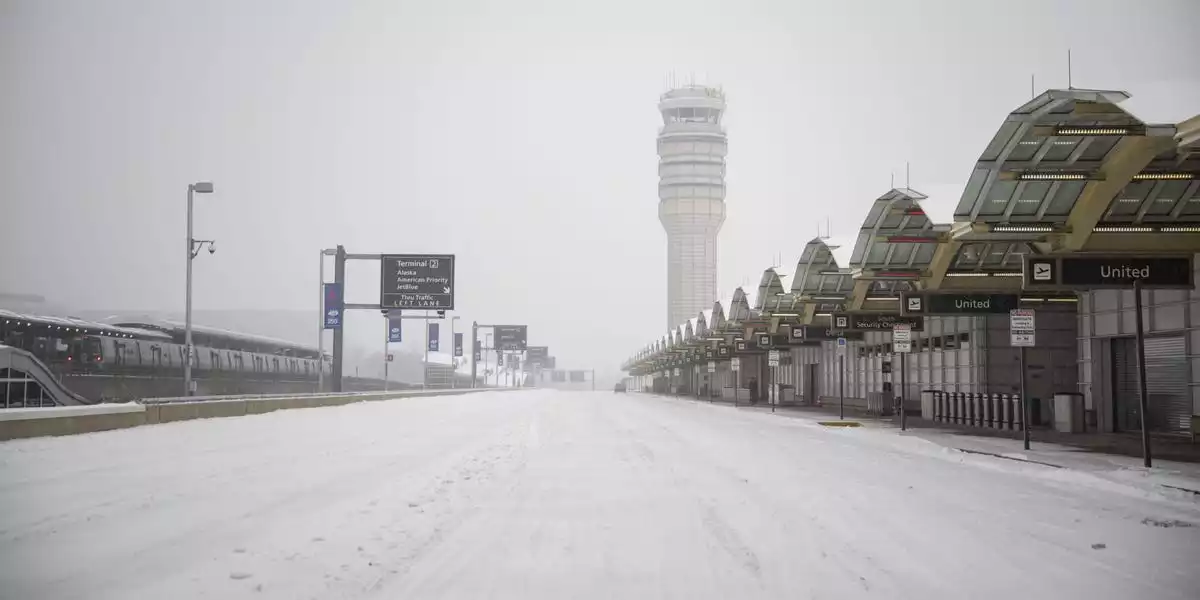
The weekend’s onslaught of Winter Storm Fern delivered a chilling reminder of the fragility embedded within the vast, intricate machinery of U.S. aviation. In a single day, more than 11,600 flights were canceled—a figure unseen since the pandemic’s initial shockwaves—leaving terminals deserted and schedules in tatters. The storm’s icy grip forced the closure of critical nodes, including Washington National Airport, and sent a ripple effect through the nation’s busiest air corridors. Even as cancellations fell to a more manageable 1,100 by Tuesday, the aftershocks continued to reverberate, especially at American Airlines’ fortress hubs like Dallas–Fort Worth.
What unfolded was not merely a weather event but a systemic stress test, exposing the interconnected vulnerabilities of the hub-and-spoke model, the limitations of predictive analytics, and the mounting pressure on both operational and regulatory fronts.
Hub Networks Under Siege: The Domino Effect of Concentrated Disruption
At the heart of the crisis lay the enduring vulnerability of hub-centric airline networks. When a storm like Fern strikes, it doesn’t just ground aircraft—it paralyzes the entire choreography of crew movements, aircraft rotations, and passenger itineraries. Dallas–Fort Worth and Charlotte, both linchpins in American Airlines’ network, became epicenters of cascading cancellations. The storm’s unpredictable mix of sleet and freezing drizzle confounded even the most advanced meteorological models, rendering runway-specific forecasts unreliable.
- Crew Pairing Disarray: Sophisticated algorithms designed to optimize crew assignments buckled under the strain, with “out-of-base” crews stranded far from home bases, leading to secondary disruptions in markets untouched by the storm itself.
- Economic Shockwaves: Airlines faced a dual assault—soaring costs for de-icing chemicals (up 18% year-over-year) and overtime labor, coupled with the evaporation of lucrative last-minute bookings. For an industry accustomed to January’s seasonal lull, the revenue dilution was particularly acute, threatening already fragile RASM (revenue per available seat-mile) metrics.
The regulatory optics were equally stark. The Department of Transportation’s swift intervention signaled a new era of scrutiny, where the “act-of-God” defense no longer suffices. In the post-Southwest-meltdown landscape, airlines’ irregular-operations playbooks are under a microscope, with political patience wearing thin.
Technology, Infrastructure, and the Human Element: Where Gaps Become Chasms
Winter Storm Fern illuminated persistent gaps in both technology and infrastructure—gaps that, if unaddressed, will only widen as climate volatility intensifies.
- Predictive Analytics Shortfall: Despite heavy investment in next-gen weather decision support, Fern’s microclimate variability exposed the limits of current models. The opportunity is clear: integrating narrow-resolution radar, satellite now-casting, and machine-learning-based optimization could sharpen forecasts and reduce unnecessary conservatism.
- Ground Operations Bottleneck: Airports in the Sun Belt, unaccustomed to severe winter, lack the automated blade-plow fleets and glycol recycling systems standard at northern hubs. The capital expenditure required to close this gap is daunting, suggesting a future in modular, lease-financed “snow-removal-as-a-service” consortia.
- Labor Elasticity Paradox: Essential ground staff, unable to reach airports, collided with airlines’ inability to overstaff under thin margins. The emergence of gig-based, cross-trained ground handlers—managed via digital shift-marketplaces and credentialed through TSA-cleared wallets—offers a glimpse of a more resilient, flexible workforce.
Strategic Shifts: Climate, Supply Chains, and the Resilience Premium
Fern’s disruption was not an isolated anomaly but a harbinger of the new normal—one where climate volatility is a permanent variable in every boardroom’s risk calculus.
- Climate as a Strategic Variable: The increasing frequency of cold snaps in historically temperate regions transforms “black swans” into recurring threats. Aviation’s risk models must evolve, with insurers and lessors recalibrating for fat-tail distributions and ESG investors demanding transparent climate-resilience roadmaps.
- Supply Chain Parallels: The storm’s impact on aviation echoes semiconductor fab shutdowns during the Texas freeze—geographically clustered, just-in-time operations are uniquely vulnerable when infrastructure fails. The lesson for other sectors: diversify nodal risk before the next Fern arrives.
- Modernization and Policy: The promise of FAA NextGen trajectory-based operations remains tantalizingly out of reach, hampered by political inertia. Yet, its absence was felt acutely—earlier re-routing flexibility could have dampened the storm’s economic toll.
The episode also points to a future where resilience commands a premium. Airlines able to demonstrate rapid mean-time-to-recovery will win not just customer loyalty but also a pricing advantage, much as on-time performance shapes corporate travel contracts. Data-driven contingency solutions—real-time APIs for travel management companies, for instance—could transform crisis into opportunity, easing call-center burdens while unlocking new revenue streams.
For decision-makers, the lesson is unmistakable: the future belongs to those who treat climate volatility not as a one-off disruption but as a core strategic parameter. Integrating advanced analytics, agile workforce models, and cooperative infrastructure investments will define the next generation of competitive advantage. As Fabled Sky Research and other industry observers have noted, those who adapt swiftly will not merely weather the storm—they will emerge stronger, more resilient, and better prepared for whatever comes next.

 By
By
 By
By
 By
By


 By
By
 By
By







