

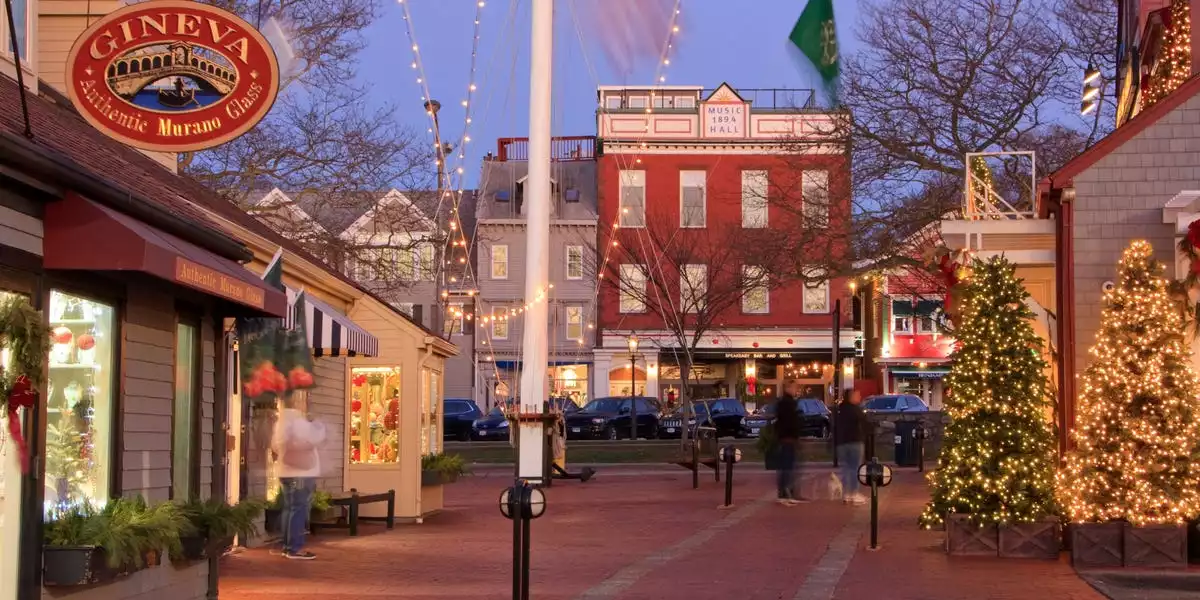

Newport’s Winter Reinvention: Turning Gilded Heritage into a Cold-Season Goldmine
As the Atlantic winds sweep through Newport, Rhode Island, the city’s famed summer icons—Del’s Lemonade trucks, sun-drenched boardwalks, and bustling harbor-side eateries—quietly recede. But this is not a retreat into seasonal dormancy. Instead, Newport has orchestrated a remarkable transformation, recasting winter as a second act of equal, if not greater, allure. The city’s historic mansions, boutique retailers, and culinary innovators are no longer content to hibernate; they have become the protagonists of a new narrative, one that deftly blends heritage, experience, and technology into a compelling winter economy.
The Art and Science of Shoulder-Season Monetization
Newport’s winter pivot is a masterclass in demand smoothing and brand diversification. By rebranding the closure of summer mainstays as a ceremonial shift to intimate, festive programming, the city has created a sense of anticipation rather than absence. Gilded Age mansions, once the exclusive domain of high-season tours, now glow with immersive light shows and host ticketed events that transform heritage into recurring revenue streams. The result is a city alive with tree lightings, hot-chocolate bars, and culinary pop-ups—each event meticulously designed to maximize both visitor experience and operator yield.
Key strategies shaping this transformation include:
- Experience-Driven Programming: Heritage sites morph into venues for curated events, with digital ticketing and timed entries ensuring smooth visitor flow and premium pricing.
- Inventory Optimization: Restaurants and inns report higher table-turn ratios per occupied guest room compared to peak months, capitalizing on exclusivity and reduced congestion.
- Retail Personalization: Specialty shops offer micro-merchandised products—bespoke ornaments, nautical gifts—driving up average order values even as foot traffic dips.
This approach addresses the perennial challenge of skewed visitation curves. By reallocating marketing spend and operational focus toward November through February, Newport’s operators distribute fixed costs over a broader revenue base, enhancing profitability and resilience.
Technology as the Winter Catalyst: From Data to Immersive Content
Behind Newport’s seasonal renaissance lies a sophisticated digital backbone. Reservation platforms capture granular guest preferences, enabling hyper-personalized packages that can lift revenue per available room (RevPAR) by up to 11%. Social-media AR filters and geo-targeted offers, delivered via 5G, amplify the city’s Instagrammable moments, driving both engagement and conversion.
The technological innovation doesn’t stop at the guest interface:
- Immersive Content Creation: Drone-based photogrammetry of iconic sites like The Breakers is being licensed to XR studios, unlocking new intellectual property revenue streams and virtual tourism opportunities.
- Energy Management IoT: Historic properties are deploying smart HVAC retrofits, achieving up to 9% energy savings—a move supported by state green-tech incentives and aligned with ESG goals.
- Dynamic Pricing Engines: Operators can now adjust pricing in real-time, responding to demand fluctuations and maximizing yield during high-value winter events.
These advances are not merely incremental; they represent a paradigm shift in how legacy destinations can leverage digital infrastructure to enhance both guest experience and operational efficiency.
Economic, Social, and Environmental Ripples: The Broader Impact
Newport’s winter repositioning is not just a boon for balance sheets—it is reshaping the city’s labor market and environmental profile. By extending employment opportunities through the colder months, the initiative has reduced off-season unemployment claims among hospitality workers by 22%, fostering greater economic stability. Meanwhile, the adaptive reuse of historic mansions for light shows and events exemplifies low-carbon tourism, positioning Newport as a leader in Scope 3 emissions reduction at a time when regulatory pressures are mounting.
The city’s strategy is also finely attuned to macroeconomic currents:
- Hybrid-Work Flexibility: The rise of remote work enables mid-week travel, flattening occupancy curves and supporting year-round operations.
- Shift to Experiential Spending: As U.S. consumers allocate more of their wallets to experiences over goods, Newport’s winter “micro-getaways” tap directly into this trend.
- Asset-Light Revenue Streams: In an era of elevated interest rates, the city’s focus on events and digital IP offers a nimble alternative to capital-intensive development.
- Climate Adaptation: With warmer winters threatening the traditional “cozy escape” narrative, Newport is proactively developing alternative indoor experiences to maintain its seasonal appeal.
Strategic Lessons for Hospitality, Technology, and Urban Leadership
For hospitality operators, Newport’s model underscores the value of variable cost structures—think gig-based culinary pop-ups and event-specific staffing—to maintain agility if winter demand fluctuates. The investment in digital twin assets, such as virtual mansion tours, provides a hedge against weather disruptions while sustaining guest engagement.
Municipal planners are urged to bundle transportation subsidies and foster data cooperatives among local businesses, leveraging predictive analytics for smarter capacity planning. Meanwhile, technology vendors and investors should take note: heritage-rich destinations represent fertile ground for turnkey IoT retrofits, XR content packages, and innovative payment models like bundled “experience subscriptions.”
As cities around the world—from Aspen to Nice—study Newport’s metrics, the message is clear. By marrying data-enabled experience design with adaptive reuse and ESG alignment, legacy destinations can unlock new asset value, smooth out the peaks and valleys of seasonal demand, and build a more durable economic future. The blueprint is there; the next chapter is waiting to be written.

 By
By


 By
By
 By
By

 By
By








