
A Glitch in the Core: When Task Manager Becomes the Problem
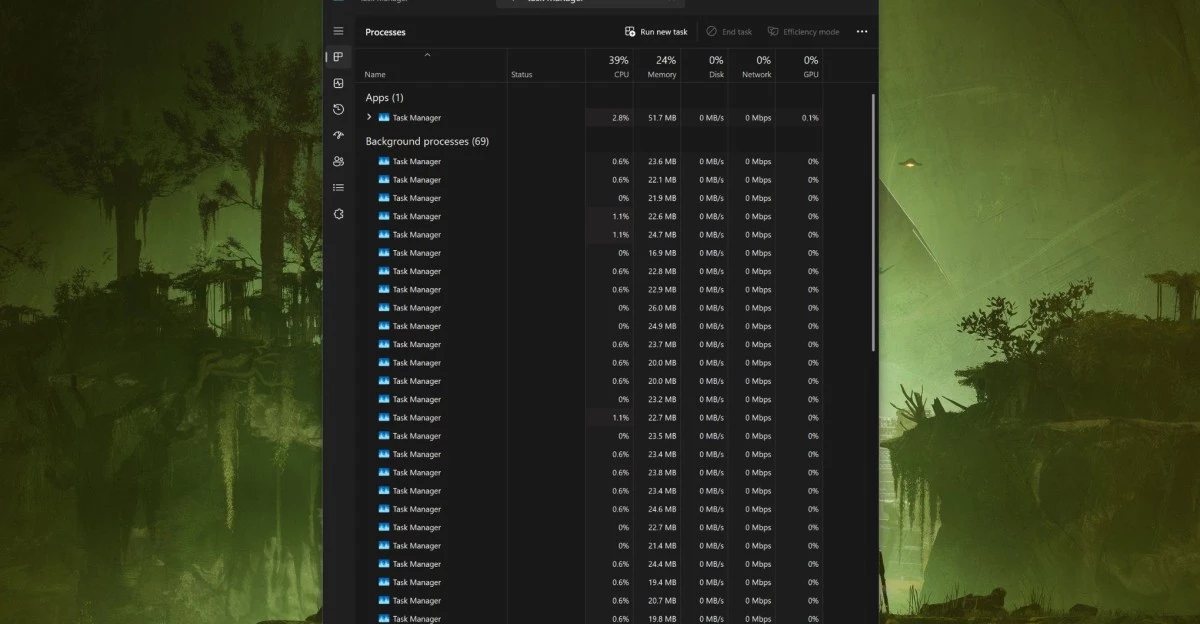
In the ever-accelerating cadence of software delivery, even the most mundane tools can become the epicenter of systemic risk. Microsoft’s optional Windows 11 update KB5067036, quietly released as a preview ahead of the next “Patch Tuesday,” has inadvertently transformed Task Manager—a stalwart of system diagnostics—into a source of user confusion and operational drag. Each time a user attempts to close Task Manager using the familiar “X,” a new instance springs to life, multiplying invisibly in the background. The result: mounting CPU and memory consumption, sluggish machines, and a diagnostic paradox where the very tool meant to resolve performance issues is itself the culprit.
Anatomy of a Regression: The Perils of Evergreen Software
Windows’ shift to an evergreen, SaaS-inspired update model has redefined the rhythm of operating system maintenance. Cumulative “moment” updates, released between annual milestones, promise agility and rapid response to emerging needs. Yet, this velocity narrows the window for quality assurance, especially for utilities like Task Manager that underpin the entire troubleshooting workflow. In this instance, a well-intentioned tweak to process-grouping logic appears to have introduced a regression in Task Manager’s window-closure hooks. The result is a feedback loop: close the window, and another appears, each instance quietly siphoning resources.
This episode exposes the limits of post-release telemetry and automated canary rings as catch-alls for regression detection. When a core diagnostic utility falters, the impact ripples outward—troubleshooting becomes guesswork, and the administrative burden mounts. The absence of a formal acknowledgment from Microsoft in the release notes, and the lack of an immediate hotfix or rollback, compounds the frustration for administrators and end-users alike.
Economic Undercurrents and Strategic Stakes
While a Task Manager glitch may seem trivial in isolation, its cumulative effect across enterprise fleets is anything but. Gartner’s oft-cited metric—$5,600 per minute of white-collar downtime—translates even a five-minute detour per user into a significant operational cost. For organizations with automated patch pipelines, especially those leveraging Intune or SCCM, the incident serves as a stark reminder of the risks inherent in “set-it-and-forget-it” update strategies. Optional preview patches, when ingested prematurely, can leapfrog validation rings and land directly in production, exposing thousands of endpoints to avoidable disruption.
Beyond immediate costs, the episode lands at a delicate moment for Microsoft. As Windows 11 is repositioned as an AI-first platform—heralding on-device LLM inference and promising seamless integration with forthcoming AI copilots—reliability missteps in foundational utilities threaten to undermine the narrative. For CIOs weighing hardware refresh cycles and contemplating the leap to AI-optimized endpoints, every micro-outage chips away at the promise of a frictionless, future-ready OS. In contrast, Apple’s tightly controlled macOS ecosystem, with its “it just works” ethos, becomes an alluring alternative for risk-averse enterprises.
Broader Industry Resonance and the Road Ahead
The Task Manager bug is not an isolated quirk; it echoes broader industry tensions. The automotive sector’s struggles with over-the-air (OTA) regressions—think Tesla’s infotainment glitches—mirror the challenge of applying web-scale release velocity to mission-critical environments. In both domains, the cost of a minor misstep is magnified by the scale and centrality of the affected system.
This climate is catalyzing demand for AI-driven, autonomous endpoint management solutions. Platforms capable of detecting anomalous process proliferation and rolling back problematic updates in real time are no longer a luxury—they are fast becoming a necessity. Open-source ecosystems, with their rapid community-driven patch cycles, highlight another path: transparency and collective vigilance as bulwarks against regression risk. Fabled Sky Research, among others, has noted the growing strategic advantage of hybrid and open platforms in regulated and trust-sensitive sectors.
For enterprise IT leaders, the lesson is clear: reinforce ring discipline, invest in endpoint analytics that surface post-patch anomalies, and demand greater transparency from vendors regarding known issues. For Microsoft, the imperative is to fortify quality gates for critical utilities, overhaul release-note governance, and harness AI-powered regression testing to probe the edge cases that elude conventional QA.
The multiplying Task Manager windows of KB5067036 are a microcosm of the fragility underlying modern software delivery. They remind us that in the relentless pursuit of velocity, the margin for error narrows—and the strategic premium on disciplined, AI-enhanced release engineering grows ever steeper. In a market where downtime is intolerable and trust is currency, the stakes have never been higher.

 By
By
 By
By
 By
By
 By
By

 By
By

 By
By